Sizing complaints decoded: the return reasons that repeat
Short answer: across brands, the return reasons for dog harnesses repeat in a small set, wrong size guessed from breed, straps that twist, and armpit rub from poor clearance. Decoding these complaints shows most returns are fit failures, not faulty products. I will not pretend to a precise return rate I cannot verify, but the qualitative signal from reviews and retailer feedback is consistent: the harness is usually fine, the fit is the problem, and that is fixable with better measuring. The returns pile is a measuring problem wearing a product-fault costume.
The repeat offenders
When you read enough return notes, the same words appear: "too small", "twisted", "rubs under arms", "slipped off". These are not random faults but a predictable cluster around sizing and shape.
- Wrong size: buyers trust breed or a single measurement instead of the chart.
- Twisting straps: a loose girth lets the harness rotate into soft tissue.
- Armpit rub: clearance ignored, so the strap pinches each step.
- Escape: a gap at the neck the dog backs out of on a lunge.
Every one of these is a fit decision, not a factory defect. The webbing is sound; the adjustment or the measuring was not, and that distinction changes what you do about it.
Why breed guessing fails
Owners often order a size they associate with their breed, but within a breed the chest depth and build vary hugely, especially with crosses. A chart based on centimetres beats a label based on "Labrador" every time.
The data pattern is that returns drop when a brand prints a clear girth-and-depth chart and the buyer actually measures. The product does not change; the information does, and that alone shifts the return rate. A cross-breed is the classic trap, because the label fits neither parent cleanly and the chest depth is the missing number.
Twisting and rub are fit, not fault
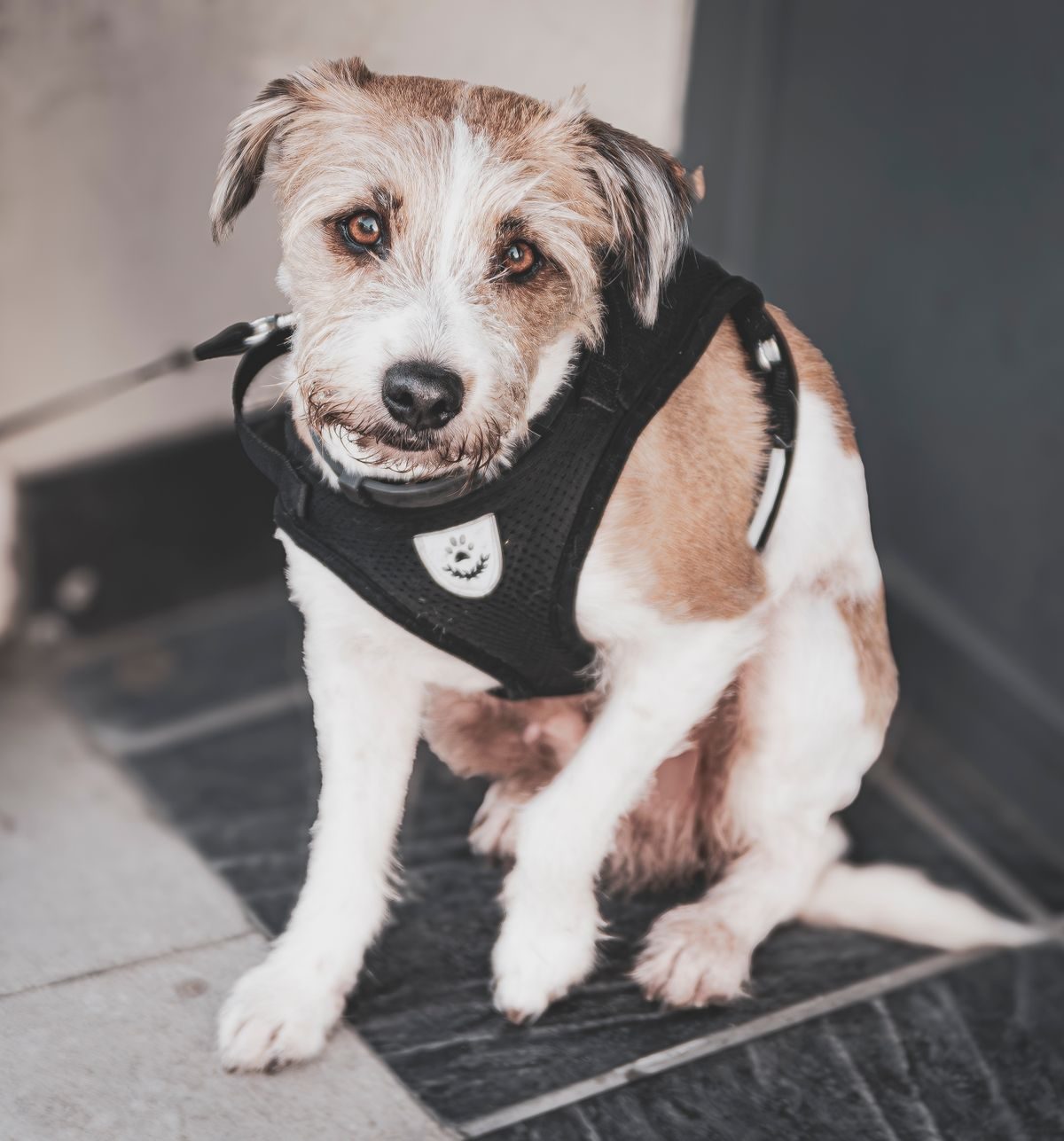
Many "defective" returns are simply a harness worn too loose. A girth with slack rotates, the front piece lifts, and the armpit takes the rub. The webbing is sound; the adjustment was not.
This is why fitters and good product pages matter. A two-minute check at home, sliding fingers under each strap, would reclassify a large share of these returns as user error that a re-tighten fixes. The harness was never broken; it was never snug, and the dog paid for it in skin.
The escape returns
A fourth cluster is the dog that backs out, returned as "faulty" when the real cause is a neck gap. A step-in front-clip with a high chest strap closes that gap, but owners often buy an overhead style that gaps at the neck and then blame the maker.
Decoding these means reading the photo in the return: if the dog is half out of the top, the cut was wrong, not the stitch. The fix is a different shape, not a refund of the same one. Shops that ask for a fit photo before refunding save themselves a lot of repeat returns of identical gear.
What good brands do differently
The brands with fewer returns tend to print a girth-and-depth chart in centimetres, show the harness on a moving dog, and tell you to re-tighten after a week. They also answer "what if it rubs?" with fitting steps, not a shrug.
That support is the quiet differentiator. A clear chart plus an aftercare note prevents more returns than a thicker warranty, because most returns were never a warranty event. The information around the product does the work the product already could, if only it were worn right.
How to avoid being a return
Measure girth and chest depth before you buy, match the chart in centimetres, and do the two-finger check on arrival. Watch the dog walk indoors before the first outing, and re-tighten at day seven when webbing settles. Those five steps address every repeat reason in the pile.
If the dog still rubs, check clearance and reroute the strap before you pack it up. Most "defective" harnesses are a half-notch and a finger-width from fine. The returns data is really a fitting manual in disguise, and reading it saves you the postage and the sore dog both. I tell every new owner to photograph the fit on day one and again at day seven, so the change is visible rather than guessed at. That pair of photos is the cheapest fitting tool in the shop, and it stops most repeat returns before they start, because you can see the webbing settle instead of feeling for it after the rub appears.
| Return reason | Root cause | Fix |
|---|---|---|
| Wrong size | Breed guess, one measure | Measure girth and depth |
| Twisted straps | Loose girth | Snug, re-tighten weekly |
| Armpit rub | Poor clearance | Check strap sits clear |
| Escaped | Neck gap | Snug chest, right style |
| "Defective" | Fit, not fault | Proper fitting check |
Frequently Asked Questions
Why do so many harnesses get returned?
The repeat reasons are fit failures, not faults: wrong size from breed guessing, twisted straps from a loose girth, and armpit rub from poor clearance. The webbing is usually sound; the measuring or adjustment was not. I will not claim an exact return rate, but the qualitative signal from reviews is consistent. Better measuring prevents most of the pile, because the harness was rarely broken.
Is my returned harness actually defective?
Often no. A loose girth that twists, a strap that rubs from poor clearance, or a neck gap the dog escapes are fit problems, not factory faults. Slide two fingers under each strap and watch the dog walk indoors; if it was just loose, a re-tighten fixes it. Photo the fit before refunding, because most returns are a half-notch from fine, not a broken product.
Should I size by breed or by measurement?
By measurement, every time. Within a breed the chest depth and build vary hugely, especially with crosses, so a label fits neither parent cleanly. Use a centimetre girth-and-depth chart and ignore the breed name. Returns drop when buyers actually measure, because the product stays the same while the information around it improves, and that closes the gap.
How do I stop straps twisting?
A twisting strap means the girth is too loose, so the harness rotates into soft tissue. Tighten to the two-finger gap, check the webbing lies flat, and re-tighten at day seven when it settles. Watch the dog move, because a stand-fit can twist on a trot. A flat, snug strap removes the rotation that causes most armpit rubs mistakenly sent back as defective.
Do better brands really have fewer returns?
The brands with fewer returns print a girth-and-depth chart in centimetres, show the harness on a moving dog, and give aftercare steps like re-tightening weekly. That support prevents more returns than a thick warranty, because most were never a warranty event. Clear information around the product does the work the product could already do if worn right, which is the quiet differentiator.
Looking for dog harnesses?
We stock the gear covered in this guide, with Australia-wide shipping and Afterpay at checkout.
Popular in this range: breathable step-in harness
Shop Harnesses at Paws of Oz