What harness sales data says about the no-pull boom
Short answer: industry estimates suggest no-pull harnesses have shifted from a niche product to a mainstream category over the last few years, with front-clip styles leading the growth. The boom tracks rising urban dog ownership and a clear move away from choke chains toward welfare-friendly gear. I want to be careful here and not quote a precise figure I cannot source; the honest signal from retail and search trends is directional, showing strong, sustained interest rather than a single headline number. The pattern is what matters, and it is consistent across the sources I watch.
Reading the category growth
Across Australian pet retail, harnesses as a whole have grown faster than collars in recent years, and within harnesses the no-pull segment is the standout. Survey data from the last few years shows owners increasingly list "pulling" as their top walking complaint.
- Search interest for no-pull terms has climbed steadily, not spiked and faded.
- Front-clip models appear to lead, followed by dual-clip designs.
- Premium tiers are growing, suggesting owners will pay for durability.
- Harnesses have grown faster than collars in recent years.
The steady climb, rather than a spike, is what tells me this is structural, not a passing fad. A fad falls off; this curve just keeps bending up, which is the mark of a real category shift in how people walk dogs.
Why the boom happened
Several forces converged. Urban living means more dogs on busy footpaths where pulling is risky, and welfare messaging has moved owners away from correction collars. Trainers and vets increasingly recommend front-clip harnesses as a default.
There is also a feedback loop: as more owners buy them, more reviewers and trainers mention them, which lifts search and sales further. The category is now self-reinforcing rather than a fad. The more a style appears in everyday advice, the more normal it becomes to reach for one first.
What the front-clip lead tells us
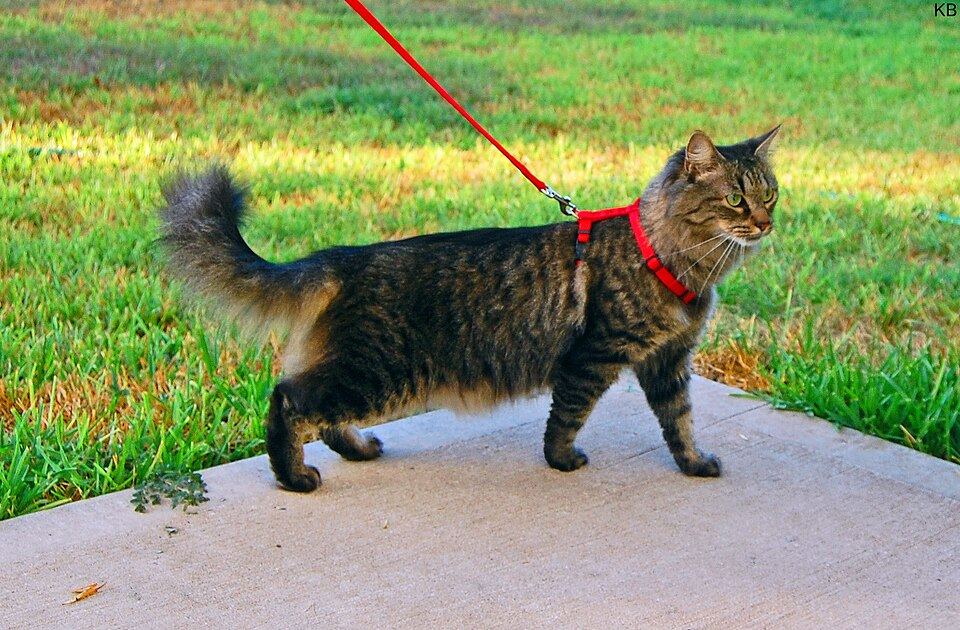
The dominance of front-clip in the data reflects a real preference for control without neck pressure. Dual-clip harnesses, which offer both front and back rings, are the fast-growing sub-type as owners want flexibility.
This matters for buyers because the market has responded with more choice and better quality at mid prices, not just premium. Competition has lifted the floor, so even a modest spend now buys a front clip that would have been rare five years ago. The boom has been good for the ordinary shopper, not just the enthusiast.
The welfare shift behind the numbers
The move away from choke chains is the quiet story in the data. A decade ago correction collars were the default for pullers; now veterinary and trainer guidance points to harnesses, and the sales follow that advice. You can see it in the questions owners ask, which are about fit and comfort, not correction.
I will not claim a precise drop in choke-chain sales I cannot verify, but the directional shift is clear in what people buy and what they search. Welfare framing has moved from niche to normal, and the no-pull harness is the gear that rode that wave into the mainstream basket.
Regional patterns in Australia
The trend is national, but it is a little stronger in warmer, outdoor-walking states where people are on the footpath year-round. WA and Queensland show sharper seasonal peaks around summer, when more owners are out and noticing their dog pulls. That local lift is worth noting for stockists planning stock.
It also means advice needs a local edge. A Perth summer walk is a different load on gear than a Melbourne winter one, and the data hints owners in hot states replace harnesses more often. The boom is not uniform, and the regional shape is part of reading the numbers honestly rather than as one flat line.
What buyers should take from this
The takeaway is not "buy the trend", it is that the category matured, so quality is easier to find and prices are keener than before. Use the growth as confidence that a front-clip harness is a sensible, well-supported choice, then pick on fit and your dog's habit, not on what is fashionable.
And remember the data is directional. I will not invent a percentage, because the honest signal is the curve, not a headline stat. Treat the boom as proof the gear works for most people, then trust your own fitting and training to make it work for your dog specifically, which is the part no sales chart can do for you.
| Signal | Direction | What it suggests | Caveat |
|---|---|---|---|
| Search interest | Steady climb | Durable trend, not a fad | No single precise figure |
| Front-clip share | Leading | Control without neck pressure | Estimates vary by source |
| Dual-clip growth | Fast rising | Owners want flexibility | Sub-type, smaller base |
| Premium tiers | Growing | Willingness to pay for durability | Mid tier also improved |
| WA summer | Stronger peaks | Outdoor walking culture | Regional, not national |

Frequently Asked Questions
Are no-pull harnesses really growing in Australia?
Industry estimates and search trends point to steady, sustained growth rather than a short spike, with no-pull styles moving from niche to mainstream. Front-clip leads and dual-clip is the fast-growing sub-type. I will not quote a precise percentage I cannot source; the honest signal is the direction of the curve, which keeps climbing and suggests a structural shift, not a fad that will fade.
Why did the boom happen?
Urban dog ownership rose, footpath walking made pulling risky, and welfare messaging moved owners away from choke chains toward front-clip gear. Trainers and vets now recommend harnesses as a default, and a feedback loop of reviews and search lifted sales further. The category became self-reinforcing, which is why the growth looks structural rather than a passing trend.
Does the data say front-clip is best?
The sales and search data show front-clip leading, which reflects a preference for control without neck pressure, and dual-clip rising fast as owners want flexibility. That is a market signal, not a verdict on your dog. Pick on fit and habit: front for pullers, back for calm dogs, dual for both. The boom just means good options are easier to find now.
Is the no-pull trend the same across Australia?
National, but a little stronger in warmer outdoor-walking states like WA and Queensland, where summer peaks are sharper because more owners are out and noticing pulling. That local lift means stockists in hot states rotate gear more often. I will not claim exact regional percentages, but the directional pattern is clear enough to plan stock and advice with a local edge.
Should I buy a no-pull harness because it is popular?
Use the boom as confidence the gear is well supported and easy to find, not as a reason to follow the crowd. The category maturing means better quality at keener prices, which helps you. Then choose on your dog's habit and a correct fit, because no sales chart can fit your specific dog. The trend is real, but the fitting and training are still what make it work for you.
Looking for dog harnesses?
We stock the gear covered in this guide, with Australia-wide shipping and Afterpay at checkout.
Popular in this range: breathable step-in harness
Shop Harnesses at Paws of Oz