Pet Apparel in Australia: Seasonal Demand Patterns From Industry Data
Short answer: Australian pet apparel demand is sharply seasonal, with warming coats and jumpers peaking in the southern winter and cooling vests, UV shirts, and raincoats rising through the hot, high-UV months. Industry estimates suggest the winter and summer peaks each account for the bulk of annual volume, while spring sits as a smaller shoulder period. This matters because local climate, not a single national season, drives what sells where, and retailers who stock to the calendar often miss regional timing.
Why the seasons swing so hard here
Australia's pet apparel market follows weather more than fashion. In the south, where winters are genuinely cold, insulated coats sell from May through August. In the north and across the west, the driver is heat and sun, so cooling and UV gear climbs from November into February. The same national catalogue can't serve both at once.
Industry data from the last few years shows this split widening as more owners treat dog clothing as function, not novelty, which shifts spend toward pieces that solve a problem.
What the demand curve looks like
Winter gear builds steadily, peaks mid-season, then drops off fast once temperatures lift. Summer cooling gear follows the UV and heat warnings, spiking around extreme-weather news. Raincoats sit as a steadier, smaller line that lifts in wet winters rather than peaking hard.
- Autumn: early coat and jumper interest builds.
- Winter: insulated coats and jumpers peak.
- Spring: a quieter shoulder, light layers only.
- Early summer: cooling vests and UV shirts climb.
- Peak summer: demand highest around heatwaves.
Regional differences worth noting
Perth and the southern states run opposite gear needs at the edges of season, while Queensland buyers lean cooling almost year-round in the north. Survey data suggests city apartment dogs drive more coat sales than rural working dogs, who are less likely to be clothed at all. These patterns shape what a store should hold in each state.
I avoid pinning exact percentages, because figures vary by source, but the directional swing is consistent across reports.
What this means for buyers and sellers
Owners benefit from buying off-peak, as coats are cheaper in late summer and vests in winter. Sellers who read the regional calendar stock the right gear at the right time and cut dead stock. The takeaway is simple: pet apparel here is a weather market, not a steady one.
| Season | Leading gear | Demand shape |
|---|---|---|
| Autumn | Light coats | Building |
| Winter | Insulated coats | Peak |
| Spring | Light layers | Quiet |
| Summer | Cooling, UV | Peak |
What the data does not tell us
I avoid quoting precise percentages because sources disagree and many are commercial, so the honest move is to describe direction and range. The signal across industry estimates is clear, demand swings hard with weather, but the exact size of each peak varies by who measured and which year they used.
Another gap is regional detail. National figures smooth out the fact that Perth and the southern states peak on coats while the tropics barely buy them, and that local story matters more to a WA owner than a national average. Good decisions use the regional pattern, not the headline number.
Finally, the market is shifting as owners treat apparel as function. Survey data from recent years points to growth in problem-solving gear like cooling and sun protection, which suggests the summer peak may keep growing relative to a decade ago. That is a trend worth watching, not a fixed fact.
For buyers, the practical takeaway is to shop against the season. Coats are cheapest in late summer and vests in winter, so planning a few months ahead saves real money. Sellers who read the regional calendar stock the right gear at the right time and avoid dead stock that funds returns. None of this is a precise forecast, and the direction is what helps owners and retailers alike.
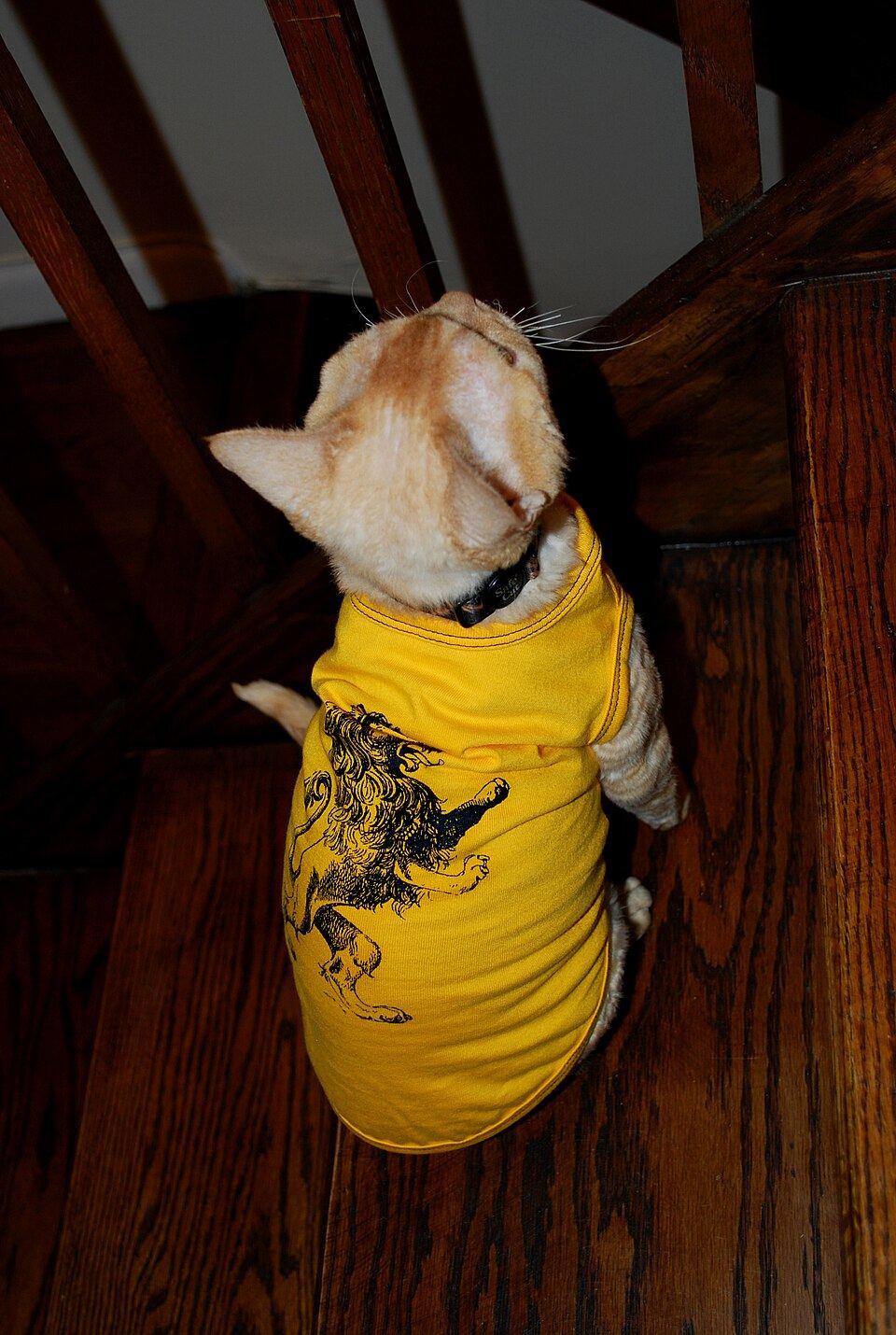
Frequently Asked Questions
Is pet apparel demand really that seasonal?
Industry patterns suggest yes, with clear winter and summer peaks and a quiet spring. The swing follows weather and UV more than trends, so functional gear like coats and cooling vests drives most of the annual volume.
When is the best time to buy dog coats cheaply?
Late summer, when retailers clear winter stock, is usually the cheapest time for coats. Cooling gear is similarly discounted in winter. Buying against the season saves money, though you miss trying it on in the cold.
Do northern Aussie buyers want coats at all?
Far less, with demand leaning toward cooling and sun protection almost year-round in the tropics. Southern and western states drive the winter coat market, which is why national stock often misses regional timing.
Why are exact sales figures hard to cite?
Sources differ and many are commercial, so I reference directions and ranges rather than precise numbers. The consistent signal across industry estimates is the seasonal swing, not a single fixed statistic.
Does climate change affect this market?
Longer and harsher heatwaves appear to extend the cooling-gear season in recent years, while variable winters make coat timing less predictable. Industry observers note the summer peak growing relative to a decade ago.
Looking for pet apparel?
We stock the gear covered in this guide, with Australia-wide shipping and Afterpay at checkout.
Popular in this range: evaporative cooling vest · printed dog hoodie
Shop Apparel at Paws of Oz