Coats and Older Dogs: When Extra Layers Help
Short answer: some older dogs genuinely benefit from a coat, mainly dogs with thin coats, low body fat, arthritis or a visible shiver on cold mornings. Many others are fine without one. The deciding factors are your dog's coat type, body condition, mobility and the winter you actually live in, not the date on the calendar.
Last July a fourteen year old kelpie cross came in for her routine arthritis check, and her owner mentioned she now turned back at the corner on cold mornings. Her coat was thin over the hips, she had lost muscle along her spine, and she shivered in our waiting room. She is a fair picture of the senior dogs I see each winter. Some of them would clearly be more comfortable with an extra layer. Others arrive already wearing bulky coats they patently resent, bought by owners who assumed every old dog needs one. Working out which category your own dog falls into is the whole task.
Which older dogs feel the cold first
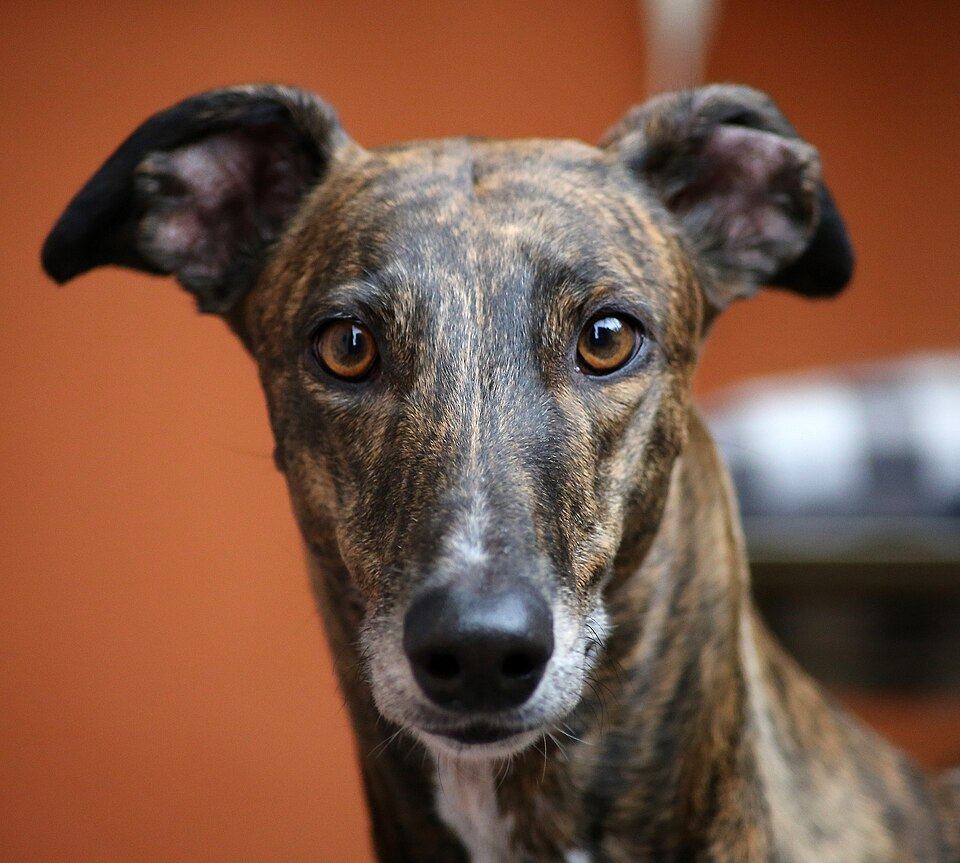
Not every grey muzzle needs a jumper. The dogs who feel cold most are usually the lean ones: greyhounds and whippets, seniors who have dropped muscle over the hips and spine, and breeds with short single coats rather than a proper double coat. Age thins things out. Skin loses padding, fat reserves shrink, and a coat that once fluffed against the weather now lies flatter. Small dogs also sit closer to cold ground and cool faster on footpaths.
Behaviour tells you more than breed. A dog that is genuinely cold shivers, hunches, tucks its tail and lifts paws off the pavement. It lingers near heaters, burrows into the laundry and becomes oddly reluctant to leave a warm bed. If your dog does none of that, it probably does not need a coat, whatever the shop display implies. If you cannot tell cold from something else, describe it to your vet.
What senior skin and stiff joints change
Age changes the fit conversation. Older skin is thinner and less elastic, so a seam or a hook of velcro that a young dog shrugs off can rub a senior raw within a few walks. Run your hand over every inner seam and think about where each strap sits when the dog moves, not when it stands. Anything pressing across the point of the shoulder or the hip bone is a trouble spot. Stiff joints narrow the field further: a dog with sore hips does not want its legs lifted through sleeves twice a day, and step-in designs are the ones I see abandoned first. Wide neck openings that go on in one motion suit old bodies best, and dogs with the occasional accident make washability a requirement rather than a bonus.
Fit checks to do before you pay
The fitting basics are the same ones we apply to any pet apparel, with senior extras on top. Measure back length from the base of the neck to the base of the tail while the dog stands square, and chest girth at the widest point behind the front legs. Write both numbers down, because memory in a shop aisle is optimistic. A coat that fits the girth but stops halfway along the back leaves the loins, exactly where many old dogs are thinnest, exposed to the weather.
Then run the movement test your older dog cannot do for itself in the shop. The coat must allow a full stride, lying flat on one side, and squatting to toilet without a strap sitting in the way. If you need to reposition anything after the dog moves, the design is wrong for a stiff body. Skip buckles that fasten along an arthritic spine; you will be the one reaching that clasp daily.
Signs a coat is not working out
Dogs tell you quickly when a layer is wrong, and the signs are practical rather than mysterious. Watch for pawing at the coat, freezing when it goes on, rubbing along the couch to shift it, chewing at straps, or a stride that shortens once it is fastened. A coat that rides sideways or needs constant straightening is the wrong shape, however well it reviewed. Rubbed or reddened skin where a seam sits is your cue to retire it that day. Take the coat off indoors and check the skin underneath weekly, especially over the hips and shoulders. If a dog that usually loves walks starts dragging once dressed, stop using the coat and mention the change at your next vet visit, because reluctance to move has more than one cause.
- Lean, short coated and clipped dogs usually notice winter before thick coated breeds do.
- Thin senior skin makes seams, velcro and strap placement worth checking in person.
- A coat must allow full stride, lying down and toileting without adjustment.
- Pawing, freezing or a changed gait in a coat says stop, not persist.
- Washability and a drying spare matter more in homes with accident prone seniors.
Building the coat into daily routine
Use the coat for walks and outdoor time, and take it off at the door. Most Australian houses, even draughty ones, stay warmer than the pavement at seven in the morning, and constant wear is how hidden rubbing and skin trouble start. Keep the ritual short: one motion over the head, a small reward, done. A two coat rotation earns its keep in winter, because a damp coat loses most of its insulation and presses cold, wet fabric against thin skin. Hang the wet one somewhere airy rather than leaving it crumpled by the back door, and older dogs on twice daily walks will cycle through both inside a week.
| Coat style | Suits best | Watch for |
|---|---|---|
| Fleece jumper | Indoor seniors with thin coats on mild, dry mornings | Little rain protection, and static cling on longer coats |
| Insulated padded coat | Lean dogs on longer winter walks in southern states | Bulk at the shoulders can shorten a stiff dog's stride |
| Waterproof shell | Wet climate walks where a soaked dog chills quickly | Check under the arms for rubbing after the first walks |
| Soft knit sweater | House dogs that need light warmth, not weather armour | Loose knits catch claws and stretch out of shape |
| Hi-vis vest layer | Senior dogs walked near roads before sunrise | Thin fabric gives visibility, not warmth |
When no coat is the honest answer
Some senior dogs will never tolerate a coat and do not need one, and forcing the issue trades a small comfort gain for real stress. A dog that freezes, bolts or hides when the coat appears is giving you a clear answer. Respect it, shorten winter walks, head out in the warmer middle of the day, and let a warm bed indoors do the rest. New cold intolerance in an old dog is a change worth reporting, not just dressing. If a dog that coped last winter suddenly shivers all day, that observation belongs at your next vet appointment whatever you decide about layers. A coat manages comfort outdoors. It does not explain why the dog changed.
Frequently Asked Questions
Do all old dogs need a winter coat?
No. Thick double coated breeds often manage an Australian winter without help, while lean or short coated dogs frequently struggle earlier. Judge your own dog's coat, body condition and behaviour on a cold morning rather than its age. Shivering, hunching and refusing to leave a warm bed are the practical signals, and if you cannot tell cold from something else, ask your vet.
Can a senior dog wear its coat all day?
Usually it is unnecessary. Most homes stay warm enough indoors, and constant wear is what causes seam rubbing and hidden skin trouble on older dogs. Put the coat on for walks and take it off at the door, running your hands over the hips and shoulders as you go. A dog that seems cold indoors is something to raise with your vet.
How do I measure an old dog for a coat?
Measure back length from the base of the neck to the base of the tail while the dog stands square, then chest girth at the widest point behind the front legs. Do it twice and write the numbers down. If your dog sits between sizes, prioritise the chest fit, because straps that pinch there cause more grief than a slightly long hem.
What if my dog hates wearing a coat?
Stop and respect the answer. Plenty of dogs never accept clothing and still manage winter well with shorter walks, warmer times of day and a snug bed. You can try a lighter style once if the refusal seems gear related, but never wrestle a stiff dog into a coat it fears. Forced layers cost more in stress than they return in warmth.
Are coats useful for dogs with arthritis?
Cold often makes stiff joints feel worse, so many arthritic dogs do seem more comfortable layered up on frosty mornings, and a coat is a fair comfort measure. What it will not do is treat the joint itself. Keep dressing simple, avoid step-in designs and straps across the hips, and leave the pain conversation to your vet.
Looking for pet apparel?
We stock the gear covered in this guide, with Australia-wide shipping and Afterpay at checkout.
Popular in this range: evaporative cooling vest · printed dog hoodie
Shop Apparel at Paws of Oz