Returns Decoded: Why Most Dog Clothes Come Back (and How Brands Fix It)
Short answer: the bulk of returned dog clothes come back because they don't fit, not because they're broken, and a second wave returns over mismatched expectations about what the gear does. Industry estimates put apparel among the higher-return categories in pet retail, driven by wild size inconsistency between brands. The fixes gaining ground are standardised size charts, breed-specific cuts, and plainer labelling that says what a coat can and can't handle.
The fit problem underneath it all
Dog clothing has no universal size standard, so a medium from one maker can be a small from another, and back-length measurements are rarely honoured. Owners order to their last purchase, get a coat that gaps at the chest or rides the tail, and send it back. This is the single biggest return driver across the category.
Add in the sighthound and bulldog shapes that off-the-shelf cuts ignore, and the return loop becomes routine for those owners.
Expectation gaps drive the rest
A coat sold as warm that wets through in rain gets returned as faulty when it was really mislabelled. A cooling vest that dries in twenty minutes reads as broken to a buyer who expected all-day relief. These aren't defects, they're promise gaps, and they cost retailers in postage both ways.
- Inconsistent sizing between brands, the top reason.
- Coat shape ignoring lean or broad breeds.
- Waterproof claimed but only water-resistant.
- Cooling gear over-promised on duration.
- No easy way to check fit before buying.
How brands are fixing it
The smarter retailers are publishing measurement-based charts with breed examples, and a few offer fit quizzes that map a dog to a cut. Standardised sizing within a store's own range cuts confusion, and clearer labels, saying waterproof versus resistant, reduce the promise-gap returns.
Some use virtual fitting or at-home trial windows so the dog wears it once before the return window shuts, which catches rub points early.
What owners can do right now
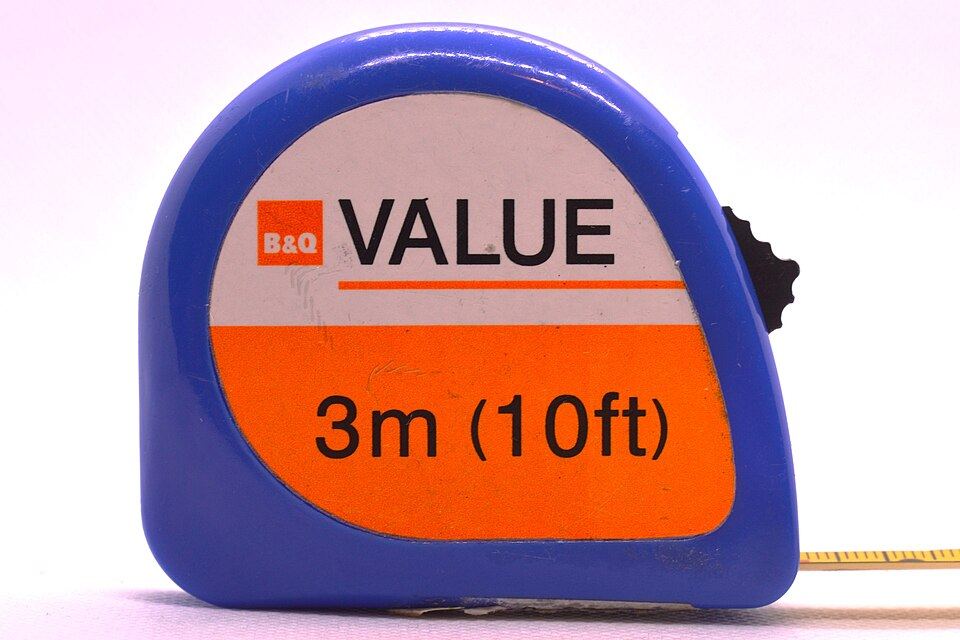
Measure the dog, read the actual chart, and treat the tag number as a guide, not a rule. Buy where you can return easily, and photograph the size label for next time. The market is slowly standardising, but until it does, the tape measure is your best defence against the return pile.
| Return reason | Share of issues | Fix in market |
|---|---|---|
| Wrong size or fit | Largest | Standardised charts |
| Shape mismatch | Common | Breed-specific cuts |
| Mislabelled function | Moderate | Plainer labels |
| Expectation gap | Moderate | At-home trials |
The cost of a return loop
Every return carries postage both ways, restocking time, and a frustrated owner, so cutting them helps retailers and shoppers alike. The cheapest fix is information, a clear size chart and an honest label cost nothing and prevent most avoidable sends. Brands that invest here see fewer parcels and better reviews, and it is the kind of change that costs almost nothing to start.
Some stores now offer fit quizzes or virtual try-ons that map a dog to a cut, and early adopters report fewer blind returns. The dog wears the coat once at home within the trial window, which catches rub points a photo never shows, and that single step resolves most fit problems before they become postage.
For owners, the habit that pays off is measuring before buying and keeping the label photo. The market is slowly standardising, but until it does, the tape measure and a clear head beat luck. A smaller return pile is better for the wallet and the wardrobe alike.
There is also a sustainability angle worth noting. Returned apparel often can't be resold for hygiene reasons, so a high return rate means more waste and more freight emissions. Brands that fix fit and labelling are quietly reducing that footprint, which matters to the many owners who care where their pet gear ends up. In the end, the return problem is mostly a communication problem, and saying what the coat does is the fix.
Frequently Asked Questions
Why are dog clothes returned so often?
Mostly fit, because brands use inconsistent sizing with no standard, so owners guess and miss. A smaller share returns over mismatched expectations, like a coat that wets through when only water-resistant was true. Both are fixable with better labelling.
Will sizing ever be standardised?
Slowly. Some retailers are aligning their own ranges and publishing measurement charts with breed examples, which helps within a store. A cross-industry standard is still some way off, so the tape measure remains the safest tool for now.
How do I avoid a return?
Measure back length and chest, read the specific chart, and buy where returns are easy. Photograph the size label you land on so next time is simpler, and prefer stores offering an at-home trial before the window closes.
Are expensive coats returned less?
Not necessarily for fit, but pricier lines often label function more honestly, which cuts expectation returns. The fit issue hits every price point until sizing is consistent, so cost alone won't save you.
Do trials actually reduce returns?
They appear to, because a dog wearing the coat once at home reveals rub points and size gaps before the return window shuts. Retailers using short at-home trials report fewer blind returns and happier repeat buyers.
Looking for pet apparel?
We stock the gear covered in this guide, with Australia-wide shipping and Afterpay at checkout.
Popular in this range: evaporative cooling vest · fleece dog jumper
Shop Apparel at Paws of Oz