Escape-Proof Dog Playpen: Stopping Houdini Hounds
Short answer: stop escapes by doing the zip up, clipping the latch, and laying a little weight along the base every single time. Wally proved this when he cleared his pen in thirty seconds flat to fill the kettle, and weighting the outside of the panels is what finally held him. In short, a clever Cavoodle near a busy coastal road is only as safe as the last clip you fastened, so the habit matters more than the model you bought.
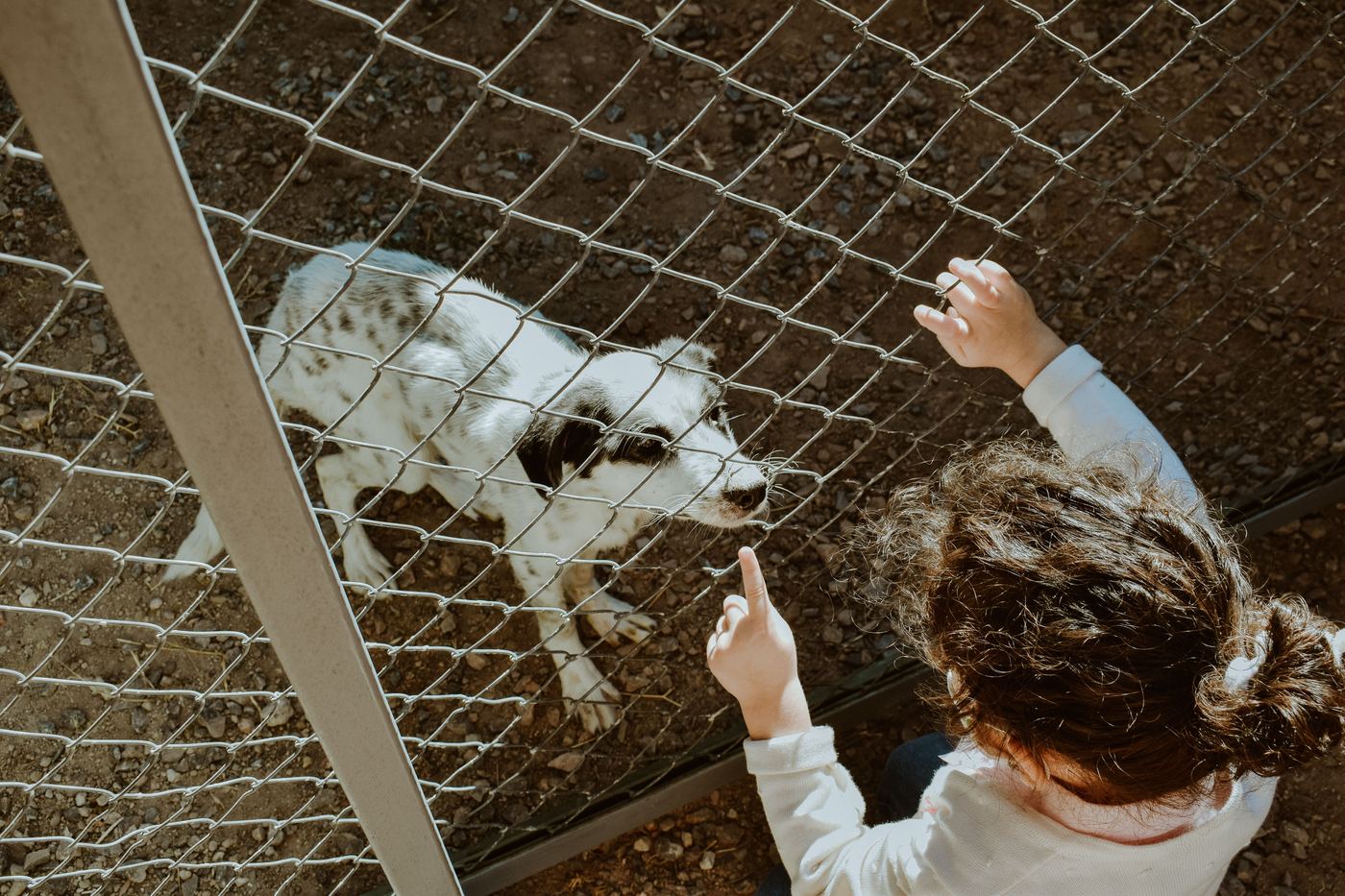
Wally is a Cavoodle, which the breed guides describe as gentle and eager to please, and most days that is true. Then there was the afternoon I turned my back for thirty seconds to fill the kettle and returned to find him on the other side of his pen, looking deeply pleased with himself. That was the day I got serious about an escape proof dog pen, because a clever puppy in a rental flat near a busy coastal road is not a funny story waiting to happen, it is a genuine safety problem.
First, understand why they get out
Dogs do not escape to spite us. They escape because something on the other side is more interesting than the inside, because they are bored, because they are scared, or because the barrier simply failed. Working out the motive tells you which fix to spend your energy on. Wally's first breakout was curiosity: a delivery truck beeped outside and his whole body said "I must investigate now." Once I understood that, I stopped treating the pen as the only solution and started treating it as one layer of a calm, secure routine.
It also helped to remember that puppies are athletes in small bodies. A Cavoodle can wedge a shoulder under a loose panel, hook a claw into a gap, or simply shoulder a lightweight wall until it topples. Dog playpen safety is mostly about removing those small opportunities before a habit forms, because an escape that works once will be repeated.
Zips, latches and the door
The zip door is the most common weak point, and the most common mistake is leaving it half done up. I now make a habit of running the zip all the way to the top and clipping the little plastic latch that sits at the end, because that clip is what stops the slider creeping open when a puppy leans on it. If your pen has a dual-zip, do both sides. It takes five extra seconds and it is the difference between contained and gone.
For the panels themselves, check the seams where the fabric meets the frame. A worn corner is an invitation, and a puppy will find it faster than you will. I give the whole pen a quick feel every Sunday while I am organising the washing, and any fraying gets a temporary patch until I can replace the panel. Treat the structure like the safety equipment it actually is.
- Run the zip fully to the top and clip the end latch.
- Clip both sides if your pen has a dual zip.
- Check the seams where the fabric meets the frame.
- Patch any fraying panel until you can replace it.
- Treat the pen like the safety equipment it is.
Weighting the panels without damaging the floor
In a rental you cannot screw the pen down, so weighting is your friend. I slide a few flat, fabric-wrapped pouches of rice along the inside base of the panels, which adds steadiness without leaving marks on the tiles. Outside on the balcony, small plant pots do the same job and look like part of the decor. The aim is to make the wall too heavy for a small dog to shove, while still being light enough for me to fold the pen away when guests arrive.
One thing I learned the hard way: do not weight the inside with anything a puppy could chew or swallow. Rice pouches are sealed and tucked under the base hem, well out of reach. Dog playpen safety includes keeping the containment method itself harmless, because a clever dog will investigate anything new in their space.
Supervision is not optional for a Houdini
No pen is escape-proof if it is left unguarded for hours with a determined dog. The pen buys you safe minutes, not safe days. When I am cooking or on a call, Wally is in the pen where I can see him; when I am out, he is in the pen for a short, reasonable stretch, never long enough for boredom to turn into engineering. If you need longer containment, that is a training and enrichment question, not a hardware question, and it is worth asking your trainer or vet how to build up alone-time calmly.
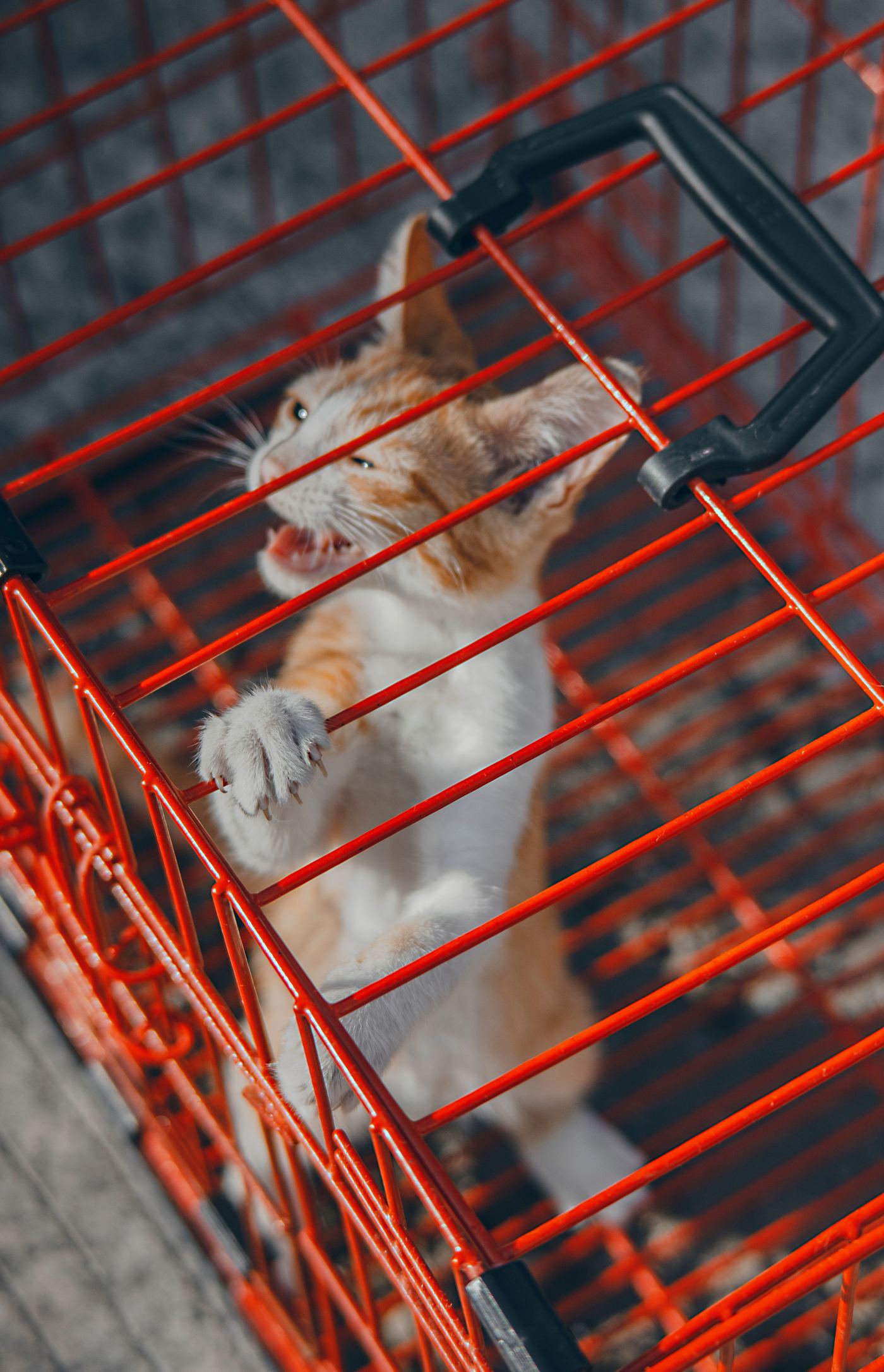
Miso the kitten is, amusingly, harder to contain than the dog, but her escapes are vertical and controlled. The lesson from living with both is that every animal finds their own route, and the responsible thing is to watch, learn and close the gap rather than assume the product does the parenting for you.
Your escape-risk checklist
I keep this list by the pen and run through it whenever I set up somewhere new, like the caravan site or a friend's place. It takes a minute and it catches the silly mistakes that lead to the scary ones.
| Check | What to look for | Fix if needed |
|---|---|---|
| Zip door | Fully closed and latch clipped | Re-zip both sides, clip end |
| Base gaps | Room for a paw or nose to wedge under | Add underlay or weighted hem |
| Panel seams | Fraying or loose stitching | Patch or replace panel |
| Top access | Mesh top open or unzipped | Zip closed if climbing is a risk |
| Nearby climb aids | Chair, bed or toy against the wall | Move items at least a metre away |
| Outside hazards | Road, pool or stairs within reach | Relocate pen to a safe zone |
| Alone time | Long stretch with no check | Shorten and add enrichment |
Running that checklist became second nature, and the nice side effect is that Wally now settles faster because the setup is consistent. Dogs like a predictable world, and a pen that is always secured the same way reads as "this is how things are" rather than "let me test the boundary again."
Building the habit of calm
The real win is not the hardware, it is teaching a puppy that the pen is a pleasant place to be. Wally gets a chew he only sees inside the pen, and I drop in a worn t-shirt of mine so it smells like the family. Over a few weeks the escape attempts dropped to zero, not because the walls got stronger, but because he stopped wanting to leave. That is the part of dog playpen safety nobody sells you: the pen works best when the dog is happy to stay.
If you have a Houdini on your hands, start with the zip, add the weight, watch the gaps, and never trade supervision for convenience. An escape proof dog pen is a partnership between a decent product and a paying-attention human, and in a small rental that partnership is what lets everyone sleep at night.
Frequently Asked Questions
Frequently asked questions
Are soft pens really escape-proof?
No pen is fully escape-proof on its own. A soft pen becomes secure through a closed zip, weighting, removed climb aids and supervision. Treat it as one layer of safety, not the whole plan.
How do I stop my dog pushing the panels over?
Weight the base with fabric pouches or plant pots, keep the pen on non-slip flooring, and remove items nearby that a dog could use as a step. Consistency matters more than brute force.
My puppy unzips the door, what then?
Run the zip fully and clip the end latch, and consider a small carabiner through the slider as extra security. Also build positive associations so the puppy wants to stay put.
Can I use the pen outside on the balcony?
Yes, with care. Weight the outside of the panels, keep the pen away from rails or furniture that aid climbing, and never leave a dog unsupervised near a road or pool.
Is it cruel to confine a dog this securely?
Containment is kind when it protects a dog from roads, other animals and household hazards. Make the space comfortable, enrich it, and keep sessions reasonable rather than all-day.
What if my dog still escapes?
Reassess the motive: boredom, fear or a real gap. Close the specific weakness, shorten alone time, and ask a trainer or vet for a calm-building plan suited to your animal.
Looking for pet playpens?
We stock the gear covered in this guide, with Australia-wide shipping and Afterpay at checkout.
Popular picks from this guide: foldable octagonal playpen · outdoor catio with tunnel
Shop Playpens at Paws of Oz