Cat Toys and the Inspection: What Gets Noticed
Short answer: inspection agents rarely look at cat toys themselves. They notice scuffed paint, scratched skirting, smells, damp and clutter, and toys contribute to the last two. A setup where everything lives in one zone, with nothing stuck to windows or leaning on walls, takes about fifteen minutes to present and reads as a cared-for home.
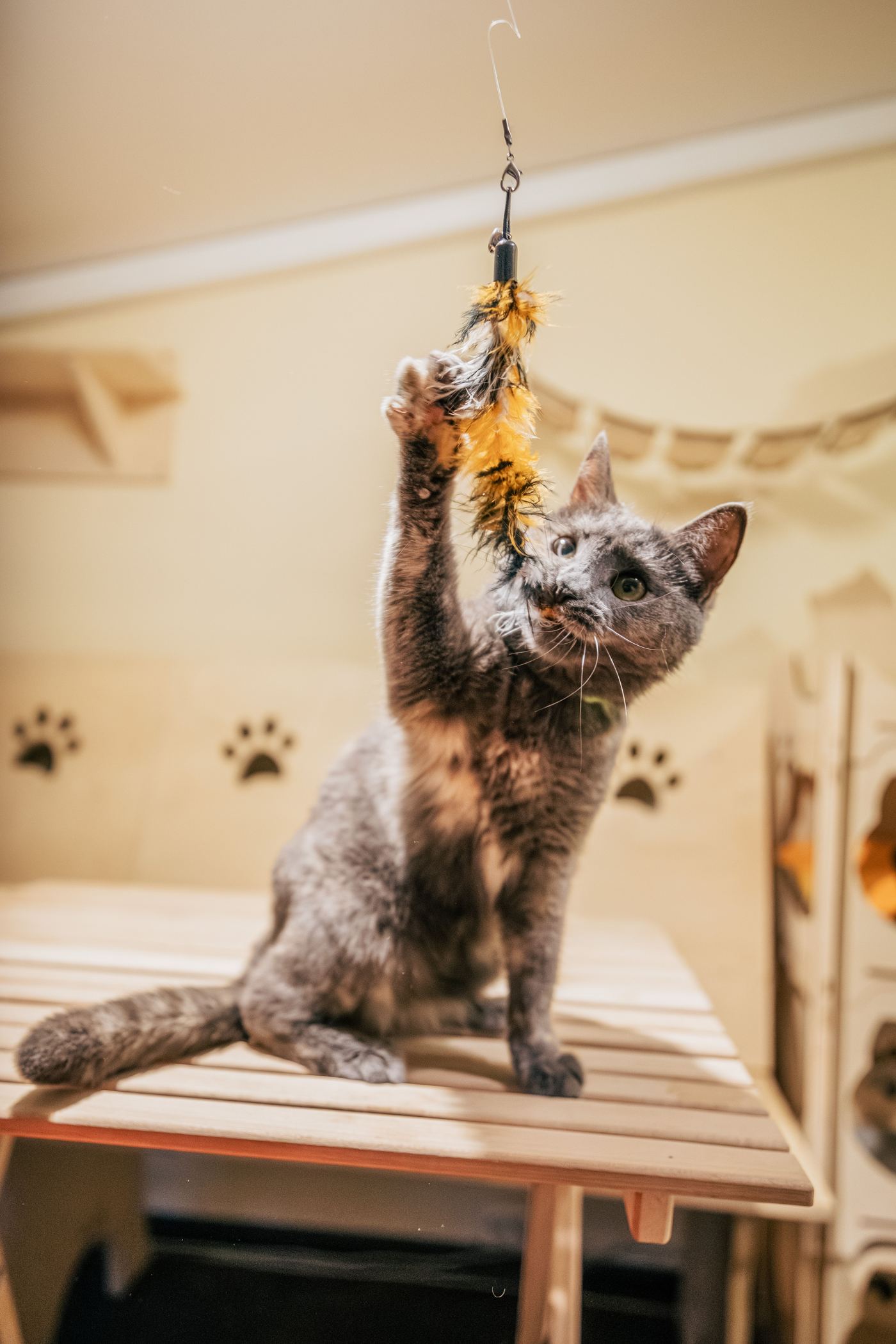
The night before our last routine inspection I walked the flat the way I imagined the agent would, and the cat toys were the first thing I saw. A felt mouse under the kitchen bench. Two bouncy balls in the hallway. A wand toy leaning against the wall in exactly the spot that already had a small scuff. Feathers caught in the rug. Two cats and a toy box the size of a shoebox should not produce that much sprawl, but it does, and in a rental the sprawl is what gets noticed, not the toys. Since then I have kept a system: one play zone, one storage spot, and a reset routine I run the evening before anyone knocks on the door.
What an agent actually looks at
Routine condition inspections are about the property, not your lifestyle. In my experience the agent walks through checking walls and paintwork, floors and carpet, blinds and flyscreens, seals around wet areas, and any smell of damp or litter that has crept past clean. Pet items only enter the picture as damage or clutter: a scratched skirting board, a torn flyscreen, fur drifting across the floor, or a room that reads as chaos. Nothing in the standard inspection asks whether you own toys. But toys are the objects most likely to be scattered through every room, wedged under appliances and flicked against paintwork, so they shape the impression more than any other pet gear you own.
The clutter problem with cat toys
Cat toys multiply in a way nobody plans for. A single shopping trip becomes three wand toys, a bag of mice, a pack of balls and a puzzle feeder, and within a month they occupy every room because cats drag them and people flick them. Clutter matters at an inspection for two reasons. It hides the floor, which makes a carpet look worse than it is and makes fur and dust obvious. And it suggests the home is not being maintained, which invites a closer look at everything else. A lounge room with one tidy basket of toys reads completely differently to the same room with felt mice behind the couch and a wand on the kitchen bench.

Damage you can prevent before inspection day
Some toy damage is easy to stop once you know where it comes from. Wand toys are the main culprit in this flat: a rod flicked sideways leaves a small grey scuff on paintwork at cat height, and my hallway wall proved it. Balls end up under the oven and the fridge, where they bake into dust and are annoying to retrieve. Sticky-dart toys and anything adhesive can lift paint or leave residue on glass. Soft toys shed felt and fluff into carpet that a quick vacuum will not lift. None of this needs a new product range to fix. It needs the toys kept away from the two or three surfaces in your flat that show marks most.
A toy setup that survives a walkthrough
My system is one active zone and one storage spot. The active zone is a low basket beside the couch holding whatever is in rotation, maybe six or eight pieces at a time, so play always happens in a room with hard-wearing floorboards and no visible paintwork at cat height. Everything else lives in a closed storage box in the wardrobe, which is also how I keep the rotation fresh. Choosing pieces from ordinary cat toys ranges matters less than where they get used. A toy that stays in the basket zone can be as rowdy as the cats like. A toy that wanders into the hallway or onto the bench goes back in the basket during the nightly sweep.
- Keep all play in one zone with washable, hard-wearing floors.
- Store the off-rotation toys in one closed box, out of sight.
- Check walls at cat height for scuffs before every inspection.
- Retire anything with loose parts, frayed cord or shedding felt.
- Run a full sweep of every room the night before.

The fifteen-minute reset routine
On the evening before an inspection I run the same fifteen minutes. First, a full sweep for toys with a plastic bag in hand, checking under the couch, the oven, the fridge and the bed, which is where every ball in this flat eventually goes. Second, walls and skirting at cat height, wiped with a damp cloth where the wands have flicked. Third, a proper vacuum of the rug and the litter-adjacent floor, which lifts the felt bits and the fur. Fourth, the litter tray gets a full change and the basket gets straightened. That is the whole routine, and after two inspections with no pet-related notes, I stopped dreading the email.
| Toy type | What gets noticed | Quickest fix |
|---|---|---|
| Wand toys | Grey scuffs on walls at cat height | Wipe the scuffs, store wands flat in the basket |
| Small balls | Lost under ovens and fridges | Sweep with a bag, check the appliance gaps |
| Felt and soft toys | Fluff and fur pressed into carpet | Vacuum the rug with a proper pass |
| Puzzle feeders | Bench and floor clutter | Keep one out, box the rest |
| Sticky or dart toys | Residue and lifted paint on glass | Retire them before they mark paint or glass |
Living between inspections
The reset only works because the day-to-day is already mostly tidy. The basket gets straightened whenever I notice it, the nightly sweep takes two minutes while the kettle boils, and anything the cats have dragged somewhere odd goes back without ceremony. I also check the toys themselves while tidying: a mouse that has lost its nose or a wand with a frayed cord goes in the bin, since worn pieces shed more and catch in carpet. If a toy keeps escaping to a room I want kept clear, that toy moves to the box rather than the cats getting banned from the room. Small habits, no drama, and the flat stays inspection-ready all year.

Frequently Asked Questions
Do I have to hide my cat's things before an inspection?
No, and hiding everything usually backfires by making the home look staged. Agents expect a household to look lived in, pets or not. What matters is that the space is clean, the floor is visible and nothing shows damage. One tidy basket of toys, a clean litter area and no scuffs presents far better than a lounge room stripped of every trace of your cats.
Can my landlord make me pay for scratches from play?
That comes down to your lease and the tenancy rules in your state or territory. General wear from ordinary living is normally treated differently to damage, but a wall scuffed by flying wand rods sits in grey territory. My approach is simple: fix small marks myself before anyone inspects, and keep the rowdiest play in rooms where the paintwork is already hard-wearing.
What do I do about toys that vanish under appliances?
Sweep for them before the inspection, not during, because an agent opening the oven to find a collection of felt mice is not the impression you want. A broom handle slid along the gap flushes most of them out. In the longer term, keep balls and mice in the play zone only, and the appliance gaps stay empty.
Are cat tunnels and big play structures a problem?
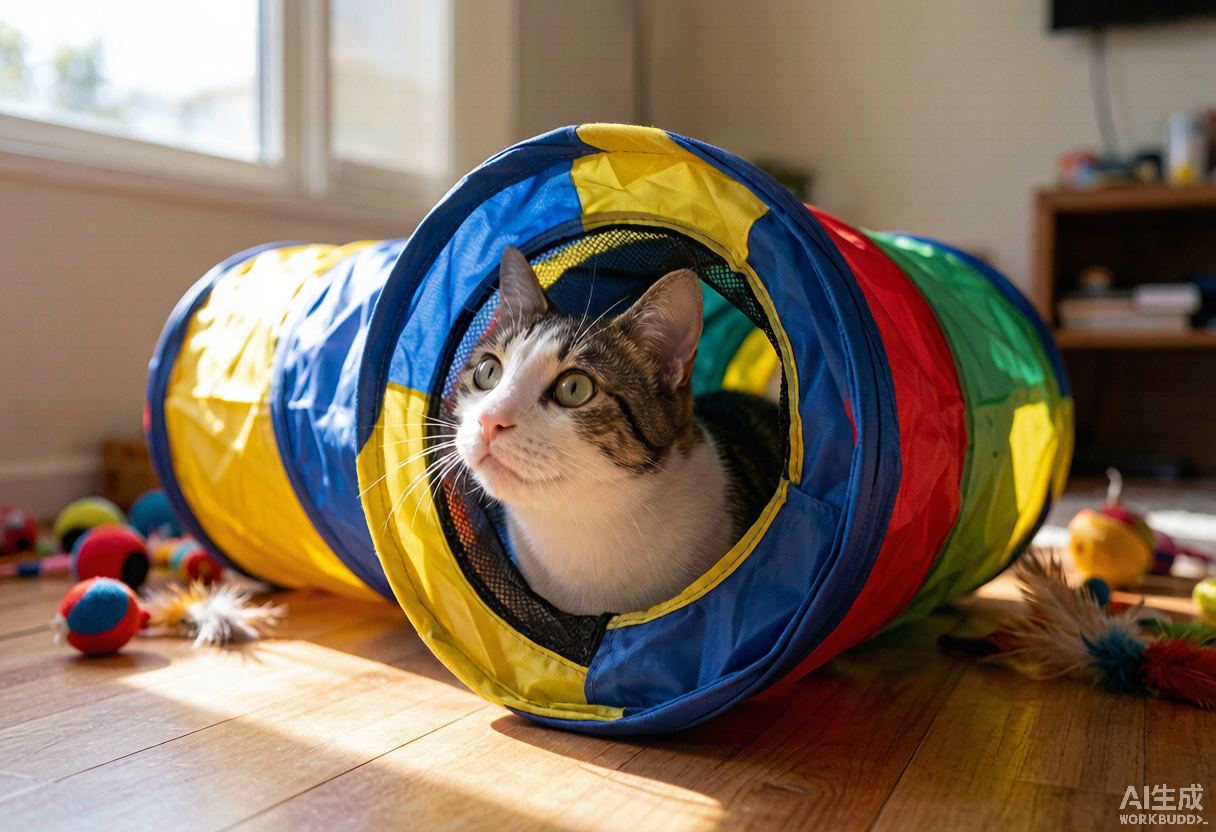
Not inherently, but size and placement decide it. A collapsible tunnel that folds flat and slides behind the couch between inspections causes no fuss. A carpeted multi-level play centre that dominates a bedroom reads as clutter and, if it rocks or scuffs the walls, as damage. In a rental I would choose the fold-away options and save the floor space.
How often should I replace worn toys?
There is no fixed schedule, so I go by condition. Anything shedding felt, missing parts, or carrying a frayed cord or cracked wand gets retired straight away, because worn toys leave more bits in carpet and break in ways that surprise you. If you are unsure whether a chewed piece is safe to keep chewing, that is a quick question for your vet.
Looking for cat & dog toys?
We stock the gear covered in this guide, with Australia-wide shipping and Afterpay at checkout.
Shop Toys at Paws of Oz