Anti-Choke, Quick-Release and Escape-Proof: What 'Safe' Actually Means
Short answer: genuine safety comes down to three things, an anti-choke fit that spares the trachea, quick-release buckles for unseen emergencies, and escape-proof fittings for the Houdinis, not the colour of the stitching. The truth is a collar pressures the throat while a proper harness pressures the chest, and reflective trim keeps your dog visible once streetlights fade. Check the buckles with cold wet hands before you trust them, because safe is a habit built before you need it.
"Safe" gets thrown around a lot in the pet aisle. Every harness claims it, most of them blur the word until it means nothing, and I bought three duds before I worked out what genuine safety actually looks like. For me it comes down to three things, and none of them are the colour of the stitching or the pose of the dog on the box.
Anti-choke means protecting the trachea
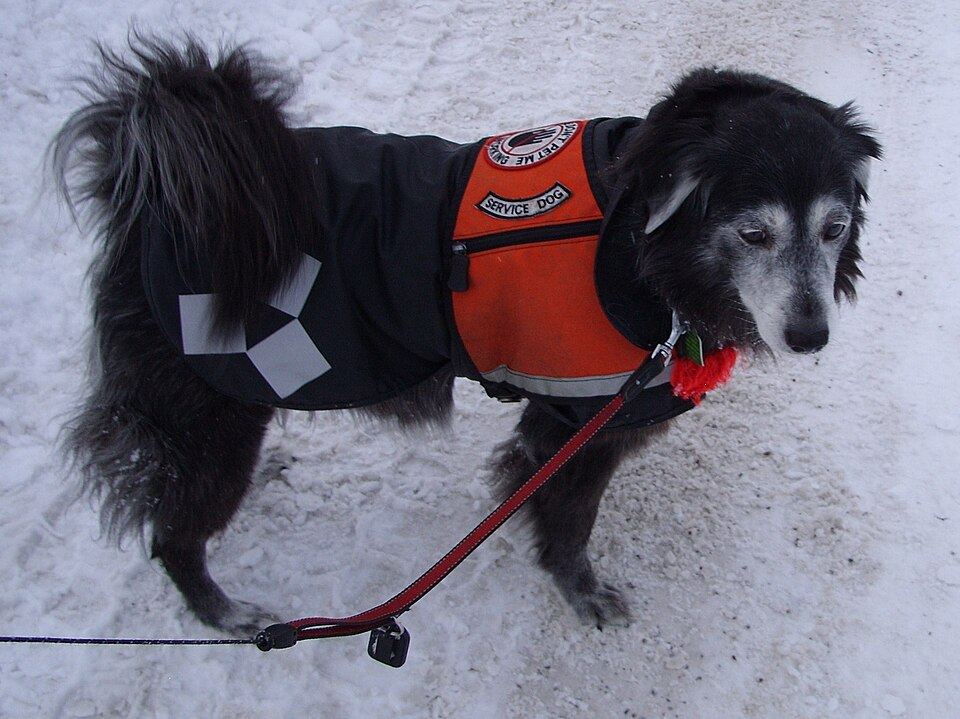
The first real test of any harness is where the pressure goes when your dog hits the end of the lead. A collar puts it on the throat. A proper anti choke harness puts it on the chest and shoulders, where a dog is built to take load. My boy Remy used to gag on collars, and the moment we switched, the coughing stopped. That's not a comfort feature, it's the trachea being spared from damage that doesn't quietly heal on its own.
When you're reading a listing, look for a Y-front or chest-plate design, because that's what keeps the straps off the neck. A secure dog harness buckle only matters if the harness itself isn't quietly strangling your dog every time they pull. Safety starts with the shape, not the clip, and a harness that rides up onto the throat has missed the whole point of the thing.
- A collar puts the load on the throat; a harness spares it.
- An anti-choke harness puts the load on chest and shoulders.
- Look for a Y-front or chest-plate design to keep straps off the neck.
- A secure buckle matters little if the harness strangles on a pull.
- A harness that rides up onto the throat misses the whole point.
Quick-release is for the emergencies you don't see
I used to think buckles were buckles. Then Remy's lead wrapped around a stranger's bike wheel at the park, and I needed him out fast. The quick release buckle harness let me pop him free with one hand while I held the bike with the other. A clip that needs two hands and a wiggle would have meant a worse outcome for everyone, including a kid who was more scared than hurt.

My dog harness safety tips Australia always start here: test the buckle with cold, wet, sandy hands before you trust it. Our weather and beaches are brutal on plastic, and a buckle that jams when you're panicking is no buckle at all. The good ones snap open clean every time and still lock tight under a pulling load, which is the exact combination you want when things go wrong.
Escape-proof fittings for the Houdinis
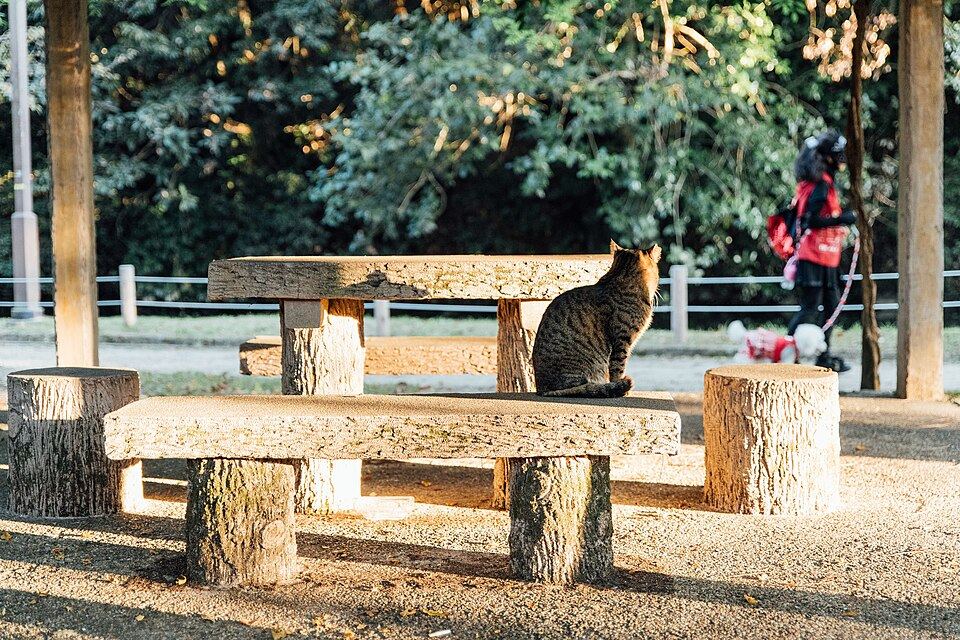
Not every pet stays where you put them. My cat Willow turned harness-wearing into a magic act until I found an escape proof cat harness with a cat harness escape proof clip that locks both sides of the chest. The trick is removing the slack a clever animal uses to back out, and that means a snug fit plus hardware that can't pop open on its own.
For dogs, the same logic applies through a secure dog harness buckle and adjusted straps. A reflective dog harness does you no good if your escape artist is wearing it three streets away. Fit, then double-check the fit, because animals are better at getting loose than we are at predicting it, and the confident ones are the ones who disappear fastest.
The trap is assuming one harness covers every pet. My dog and cat need different cuts entirely, and forcing a dog harness onto a cat is how you end up with a scared animal and a snapped clip. Match the gear to the animal, not the other way around, and the escape proof cat harness stays a cat thing while the dog gets his own chest-led setup.
Reflective coverage for the dark hours
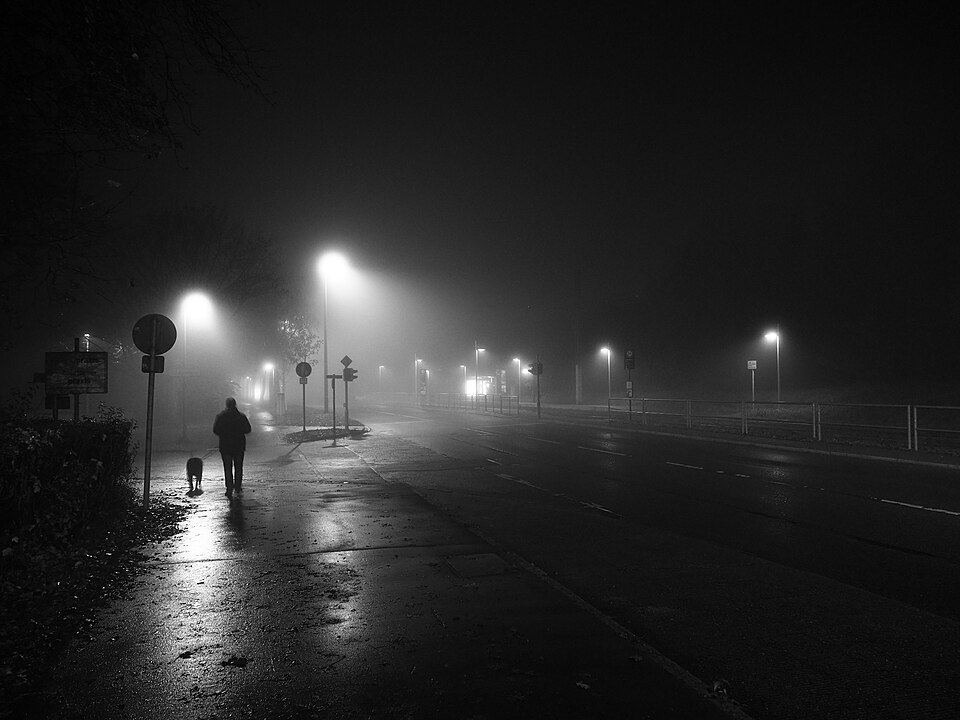
The third pillar is being seen. A reflective dog harness with a full reflective dog harness strip keeps your dog visible when the streetlights run out. I run a reflective dog collar and harness together so there's no dark gap, and my night safety dog walking tips are simple: assume drivers can't see you, and dress the dog like they should. It's cheaper than a vet bill and easier than explaining to a neighbour why your dog is on their porch.
It's worth saying that reflective gear only works if it's actually reflective, not a printed grey line that looks the part in the listing. I check mine with a phone torch before winter walks, because faded strip is just optimism dressed up as safety. If it doesn't light up, it isn't doing the job, no matter what the label promised. On the darkest stretches I'll clip a small light to the reflective dog collar and harness as well, because being seen early is always better than being seen too late.
What 'safe' means to me now
Put it together and "safe" is an anti choke harness that spares the neck, a quick release buckle harness that frees the pet in a panic, and escape-proof fittings that keep them close. Layer on a reflective dog collar and harness for the dark, and you've got the setup I wish I'd started with instead of the three I threw out.
The dog harness safety tips Australia I give mates now are blunt: buy fewer, better harnesses, check the buckles, and never trust a claim you can't see on the dog. Safe is a habit, not a label, and it's a habit worth building before you need it rather than after something goes wrong on a trail or a dark road.
— From a dog dad and a cat wrangler who'd rather be boring and prepared.
Frequently Asked Questions
How does an anti-choke harness protect my dog?
It moves the pressure from the throat to the chest and shoulders, where a dog is built to carry load. That spares the trachea from the damage a collar can cause when your dog hits the end of the lead.
Why do I need a quick-release buckle?
Emergencies happen fast. A quick-release buckle lets you free your pet with one hand when a lead snags on a bike wheel or another animal, instead of fumbling with a clip that needs two hands.
What makes a harness escape-proof?
It comes down to a snug fit plus hardware that cannot pop open on its own. Removing the slack a clever pet uses to back out is what stops a Houdini from wriggling free.
Does reflective gear really help on night walks?
Yes. A reflective strip keeps your dog visible once streetlights run out, and it works best when the whole setup, collar and harness, is reflective so there is no dark gap a driver cannot see.
How can I tell if a 'safe' harness claim is real?
Buy fewer, better harnesses and check the buckles yourself with cold, wet hands before you trust them. Safe is a habit you build before you need it, not a word printed on the box.
Size & Fit Reference
| Size | Chest girth | Neck | Weight | Best for |
|---|---|---|---|---|
| XS | 30–40 cm | 23–31 cm | 1.5–2.5 kg | Toy breeds, puppies, small cats |
| S | 40–50 cm | 30–38 cm | 2.5–4 kg | Chihuahua, small cat |
| M | 50–60 cm | 36–44 cm | 4–6 kg | Cavoodle, large cat |
| L | 60–70 cm | 42–50 cm | 6–9 kg | Kelpie cross, small Terrier |
| XL | 70–85 cm | 50–60 cm | 9–14 kg | Medium working breeds |
Looking for dog harnesses?
We stock the gear covered in this guide, with Australia-wide shipping and Afterpay at checkout.
Popular in this range: breathable step-in harness
Shop Harnesses at Paws of Oz