A First-Time Buyer's Guide to Dog Harnesses in Australia
Short answer: for a first-time buyer the boring bits beat the fancy buckle, measure the chest girth not the weight and insist on adjustability, because my wobbly rescue Pepper arrived with a thin nylon collar and the shelter's advice was 'good luck'. Here's the part that saves returns: buy where you can return the wrong size without a fight, and do a slow intro at home with treats before any walk. A premium harness on a badly measured dog is worse than a cheap one that fits.
When I brought home my first dog, a wobbly little rescue named Pepper, the shelter handed me a thin nylon collar and said "good luck." Nobody mentioned that a collar is often the worst thing for a dog who pulls, or that half the harnesses online are sized by vibes. So I learned the hard way, through returns and a few scraped chins, what a proper dog harness Australia buyer actually needs to know. If you're standing in the pet aisle right now feeling overwhelmed, this is the guide I wish someone had shoved into my hands on day one. It's not about the fanciest buckle. It's about the boring bits, measuring, fit, and buying from somewhere that will still answer your email next week.
And before anyone asks, yes, the same logic applies if you've got a feline escape artist at home. A friend of mine swears by a cat harness she picked up for her balcony cat, and the fitting principles are nearly identical: measure the chest, leave room for two fingers, watch for rubbing. So even if you only came for the dog advice, the cat corner of the market is worth a glance because it shows how universal good fit really is.
Step one: measure the chest, not the weight
The number one rule in any dog harness buying guide 2026 is to ignore the kilogram estimate on the bag. Dogs of the same weight have wildly different chest shapes. Grab a soft dressmaker's tape and wrap it around the widest part of the rib cage, just behind the front legs. Keep it snug but not tight, note the number, then add a finger's slack. For a dog harness for small dog breeds especially, an extra centimetre makes the difference between a comfy fit and a harness that rides up into the throat. Write the measurement on your phone so you're not guessing in the checkout line.
Step two: pick your style
There are three main styles you'll see, and each suits a different dog. A vest style dog harness wraps the chest in padded fabric, which is great for short-haired dogs and those with sensitive tracheas because it spreads pressure wide. A step in dog harness lets your dog step both front paws into loops and you clip it over the back, which is a lifesaver for dogs who panic when something goes over their head. An overhead dog harness slips over the head and buckles underneath, and it's usually the simplest to put on a cooperative dog. When you're learning how to choose dog harness shapes, think about your dog's personality first, then the colour second.
- A vest style wraps the chest in padding for short-haired dogs.
- A step-in harness lets the dog step in, good for head-shy pups.
- An overhead harness slips over the head and buckles underneath.
- Vest, step-in and overhead are three styles with different feels.
- Match the style to your dog's personality before you pick a colour.
Step three: insist on adjustability
A adjustable dog harness Australia buyers can trust will have at least four adjustment points, two at the neck and two at the chest. Puppies grow, coats thicken in winter, and even adult dogs shift shape a little. Fixed straps leave you stuck between sizes. When I finally read a proper best dog harness Australia review, the reviewers kept circling back to the same thing: the harness that fits today should still fit in three months, and only sliders make that possible. Slide every adjuster as you fit it, then do the two-finger test under the neck and chest straps before you head out the door.
Step four: buy it where you can return it
Aussies have more options than they think. Typing "dog harness near me" into your phone will usually surface Petbarn, a local produce store, or a market stall within driving distance. Kmart carries surprisingly decent entry-level options, and a stack of Australian online stores ship within days. Buying local means you can return the wrong size without a customs fight, and you can ask a staff member whether a buckle handles salt water. I once bought a harness from an overseas marketplace that took six weeks and arrived with a moulded clip that cracked on walk two. Never again. Local might cost a few dollars more, but the peace of mind is worth it.
Step five: do a slow intro at home
Don't clip it on and march out the door. Let your dog wear the harness around the lounge for ten minutes with treats, then an hour, then a short backyard session. A harness that smells like chicken and home feels safe. By the time you hit the footpath, it's just another boring outfit. This last step is the one first-timers skip, and it's why so many dogs "hate" harnesses when really they just got rushed.
A few mistakes I made so you don't have to
The first harness I bought was too tight because I rounded Pepper's chest measurement down instead of up, and a slipping strap rubbed a bald patch under her leg before I noticed. Another rookie error was clipping the lead to the wrong ring on a dual-clip model and wondering why nothing changed. And I once washed a padded vest on hot, which wrecked the foam and left it stiff and scratchy. Learn from me: measure generously, double-check which ring you're actually using, and cold-wash the thing on a gentle cycle. A harness is a simple tool, but the small stuff is exactly where first-timers go wrong, and a five-minute check saves a returned parcel and a sore dog.
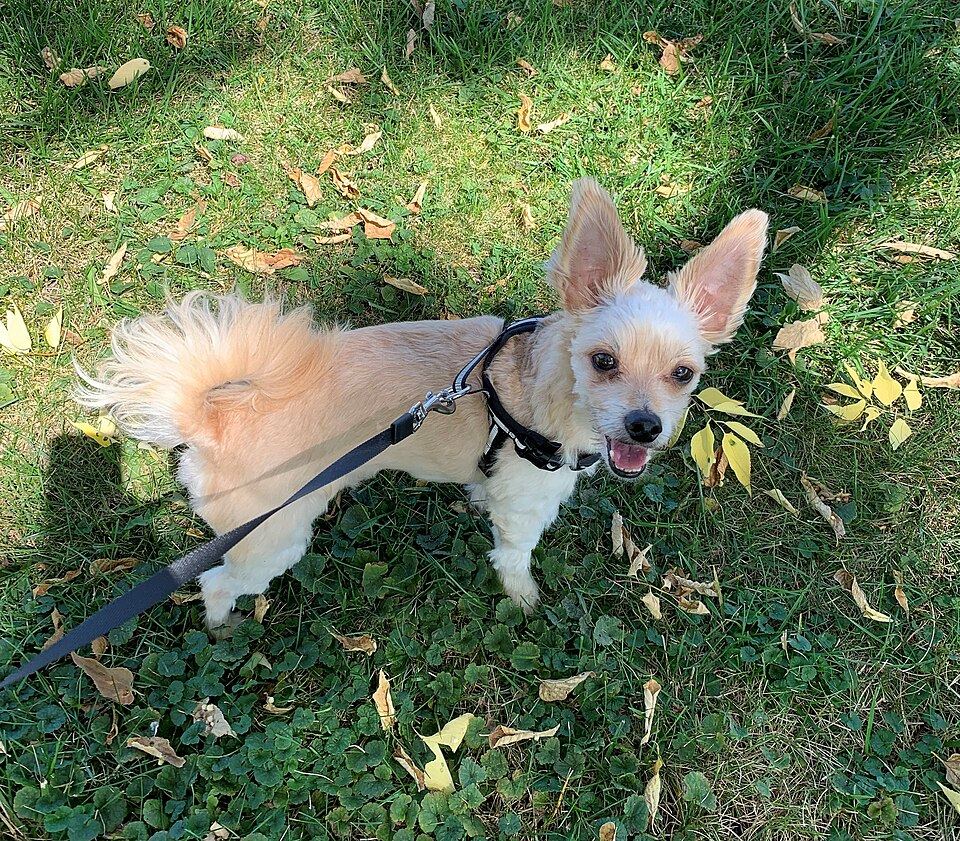
Take it from someone who wasted a small fortune on wrong-size returns: measure first, choose the style that fits your dog's temperament, and buy from a place that'll take it back. Do those four things and your first harness will probably be your only harness. — Pepper's mum, somewhere in Victoria.
Frequently Asked Questions
How do I measure my dog for a harness?
Wrap a soft tape around the widest part of the chest, just behind the front legs, and around the base of the neck. Keep it snug but not tight, note the number, then add a finger's slack. Match that to the brand's chart rather than guessing from weight.
Which harness style is best for a beginner?
It depends on your dog. A step-in is easiest for dogs that hate things going over their head, an overhead slips on like a jumper, and a vest spreads pressure for sensitive chests. Pick by temperament first, colour second.
How important is adjustability?
Very. Look for at least four adjustment points, two at the neck and two at the chest, so the fit survives coat changes and grows with a puppy. Fixed straps leave you stuck between sizes.
Should I buy locally or overseas?
Buy where you can return the wrong size without a fight. Australian sellers and stores like Petbarn or Kmart let you return easily and ask a real person about buckle durability, while overseas orders can take weeks and arrive wrong.
How do I introduce a harness without my dog hating it?
Let them wear it indoors for short, treat-filled sessions before any walk. Build from ten minutes in the lounge to a backyard session, so the harness feels like a normal, safe outfit.
Size & Fit Reference
| Size | Chest girth | Neck | Weight | Best for |
|---|---|---|---|---|
| XS | 30–40 cm | 23–31 cm | 1.5–2.5 kg | Toy breeds, puppies, small cats |
| S | 40–50 cm | 30–38 cm | 2.5–4 kg | Chihuahua, small cat |
| M | 50–60 cm | 36–44 cm | 4–6 kg | Cavoodle, large cat |
| L | 60–70 cm | 42–50 cm | 6–9 kg | Kelpie cross, small Terrier |
| XL | 70–85 cm | 50–60 cm | 9–14 kg | Medium working breeds |
Looking for dog harnesses?
We stock the gear covered in this guide, with Australia-wide shipping and Afterpay at checkout.
Popular in this range: breathable step-in harness
Shop Harnesses at Paws of Oz