
The Vet Visit That Used to Take Three People
Short answer: the fix for a frightened vet dog is going often for nothing, not avoiding the clinic, because every visit only when something is wrong confirms the fear, so book happy visits. The first time I took Juniper, it took three people and a muzzle just to reach the scales. What changed it was rehearsal: short trips for a treat and a weigh, and a calm hello with no handling. Here's the part for cats: they need a carrier routine, with a collar a smaller piece.
The first time I took Juniper to our clinic in the eastern suburbs, it took a vet, a nurse and me to get her onto the scales, and she still needed a muzzle before anyone could listen to her heart. She's a greyhound with a long, narrow head, which makes muzzling easy and sad in equal measure. I went home and cried in the car park, and then I booked her next appointment anyway, because that's the part people get wrong.
Most owners of a frightened dog do the opposite. They avoid the clinic until something is genuinely wrong, which means the dog only ever goes when they're already in pain or frightened, and every visit confirms the fear. The fix isn't avoiding the vet. It's going to the vet when nothing is wrong.
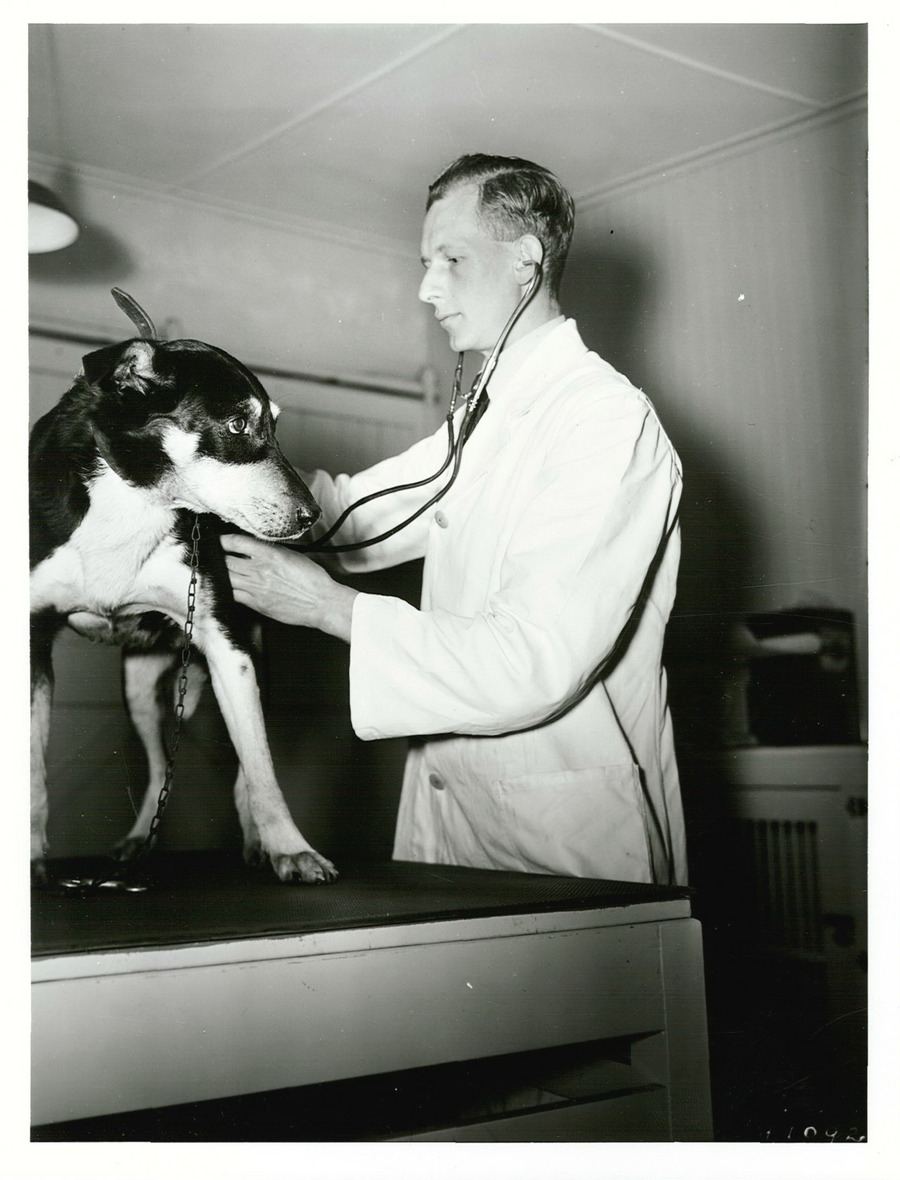
The happy visit
I called the clinic first and asked whether we could come in just to say hello. Most practices say yes without hesitation, and many will book you a quiet slot at the start or end of the day when the waiting room is empty. Juniper and I went fortnightly for about two months. We walked in, she got a treat from the nurse, we stood on the scales, she got another treat, and we walked out. No consultation room, no table, no thermometers.
That's the entire technique and there's nothing clever about it. It took eight visits before she'd take a treat from the vet rather than the nurse, and about four months before she'd hop onto the scales without being lifted. Slow is fine. The only thing that matters is that she never gets to the point of panic during any of it, because panic is what sets you back.
What I changed at home
The small stuff added up. I stopped fasting her before appointments because a hungry dog is a more stressed dog. I booked the first slot of the day so we weren't sitting in a waiting room with a terrier who'd been barking for twenty minutes. I practised having her ears, paws and mouth handled at home, for five seconds at a time with food, because most of what happens in a consult room is handling she'd never agreed to.
I also drove a different route each time. That sounds like a strange detail, but she'd learned the run to the clinic and started panting at the roundabout two streets away — the anxiety was beginning before we arrived, and varying the route took that prediction away.
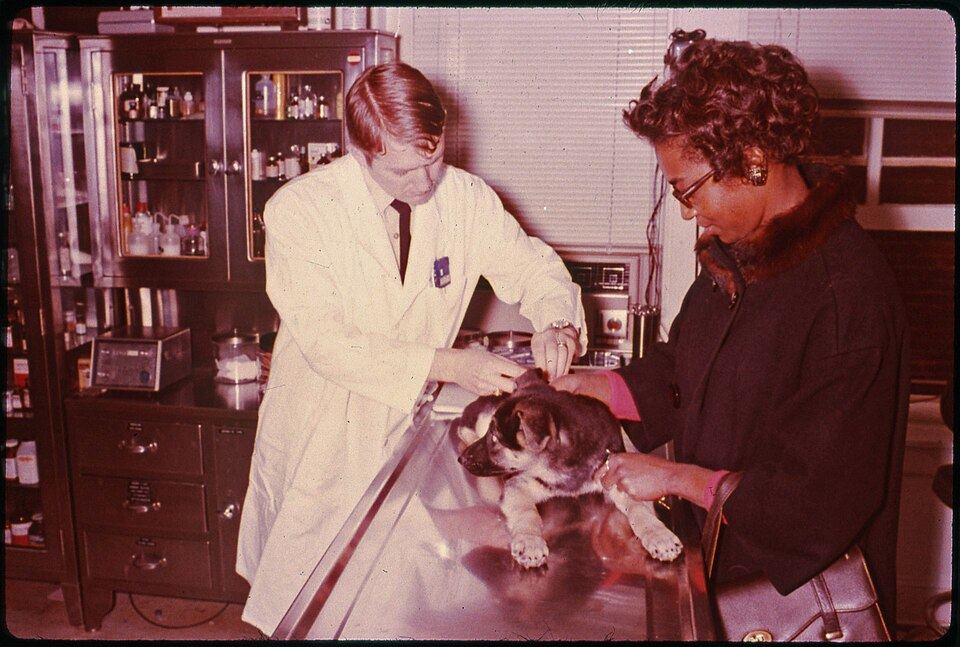
Where the collar fits, and a different answer for cats
For the dog, the collar went on about a week before a scheduled appointment rather than on the morning. It needs time on the neck to build up and one lasts about eight weeks, so I put it on ahead of her annual vaccination and left it on through the following fortnight. It's a background thing. It lowered the baseline; the happy visits did the actual work.
Cats need a different plan entirely, because a cat's vet anxiety usually starts with the carrier rather than the clinic. Fig's carrier lives in the loungeroom permanently now, with the door off, and she sleeps in it. On appointment days I cover it with a towel for the drive, keep it off the floor in the waiting room, and ask for a cat-only slot if the clinic has one. I'd never put a collar on her on the morning of an appointment — handling a cat who is already wound up to fit something new is one stressor too many.
Two practical things worth knowing
Ask your clinic about pre-visit medication. For genuinely severe cases, many vets will prescribe something to give at home an hour or two before the appointment, and it transforms the experience for everyone involved. It's a completely normal conversation and nobody will think you're overreacting.
And write your dog's fear on the intake form, or call ahead. A clinic that knows what's coming can put you straight into a room rather than a waiting room, skip the unnecessary handling, and plan for a muzzle-free consult. That single phone call changed more for us than any product I bought.

Last month she walked in, put her chin on the scales without being asked, and took a treat from the vet's hand. That's a dog who needed a muzzle and three adults two years ago. If your dog is difficult at the clinic, ring them and ask to come in for nothing — it's the cheapest thing you'll ever do and it's the only thing that lasts. — Nadia, Adelaide, genuinely proud of this one.
- Ask the clinic about pre-visit medication at home.
- A calmer dog on the day transforms the whole visit.
- Write your dog's fear on the intake form.
- Call ahead so the clinic skips the waiting room.
- That single phone call changed more than any product.
Frequently Asked Questions
How do I get my dog used to the vet?
Ask your clinic whether you can drop in for short, treat-only visits with no examination. Fortnightly visits over a couple of months work well. The goal is for your dog to learn that the clinic is somewhere boring things happen, not somewhere frightening things happen.
When should I put a calming collar on before an appointment?
About a week before a planned visit rather than on the morning. The collar needs time on the neck to build up, and one collar typically runs for around eight weeks, so it will cover the appointment and the recovery afterwards.
How do I reduce my cat's stress at the vet?
Start with the carrier, not the clinic. Leave it out permanently with the door off so it becomes furniture, cover it for the drive, keep it off the floor in the waiting room, and ask for a cat-only appointment slot if your clinic offers one.
Should I tell the clinic my dog is frightened?
Yes, always call ahead or note it on the intake form. A clinic that knows can take you straight into a consult room, avoid unnecessary handling, book you a quiet time, and discuss pre-visit medication for severe cases.
Is medication before a vet visit a reasonable option?
For genuinely severe fear, yes, and it's a routine conversation. Ask your vet about a pre-visit anxiolytic to give at home before the appointment. It makes the visit safer for staff and far less traumatic for your dog.
Size & Fit Reference
| Size | Neck circumference | Collar length | Typical pets |
|---|---|---|---|
| Cat | 18–25 cm | 38 cm | Cats, kittens, toy breeds |
| Small | 25–35 cm | 45 cm | Puppies, Cavoodle, small terriers |
| Medium | 35–48 cm | 62 cm (cut to fit) | Kelpie, Cocker Spaniel, most adult dogs |
| Large | 48–62 cm | 65 cm (cut to fit) | Labrador, Greyhound, large breeds |
Most collars release for around 60 days once the sealed pouch is opened. Replace every eight weeks, or sooner if the scent fades.
Looking for calming & anxiety?
We stock the gear covered in this guide, with Australia-wide shipping and Afterpay at checkout.
Shop Calming at Paws of Oz