Returns by Harness Type: Vest, Step-In and Over-the-Head Compared
Short answer: In the return notes I read, vest harnesses come back most often for shoulder and chest bulk, step-in harnesses for leg holes that do not line up, and over-the-head harnesses for dogs that baulk at the head loop. Size matters, but shape is what decides whether a harness actually gets used.
I spend part of most weeks in the returns records for a set of Australian pet retailers, matching the free-text note a customer or staff member typed against the product shape that came back. Photograph the pile on a Tuesday morning and it looks random. Sort it by harness form and it stops looking random. The notes change vocabulary with the shape: vest returns talk about bulk, step-in returns talk about leg holes, over-the-head returns talk about the dog putting the brakes on. That is the part I find useful for buyers, because you can predict most of it before you pick a harness off a peg.
Why the shape drives the return
Every harness brief I see starts with a size chart, and the size chart is genuinely useful. It is also the last thing that decides whether the product stays in the house. A harness is worn while the dog moves, and the shape decides where the slack ends up when it does. A vest spreads load across a wide panel. A step-in relies on two leg holes and a short body length. An over-the-head relies on a single loop that has to pass a head and two ears without an argument. When those shapes meet a real dog, the returns note writes itself, and it rarely mentions the measurement the buyer agonised over.
Vest harnesses and the shoulder-room problem
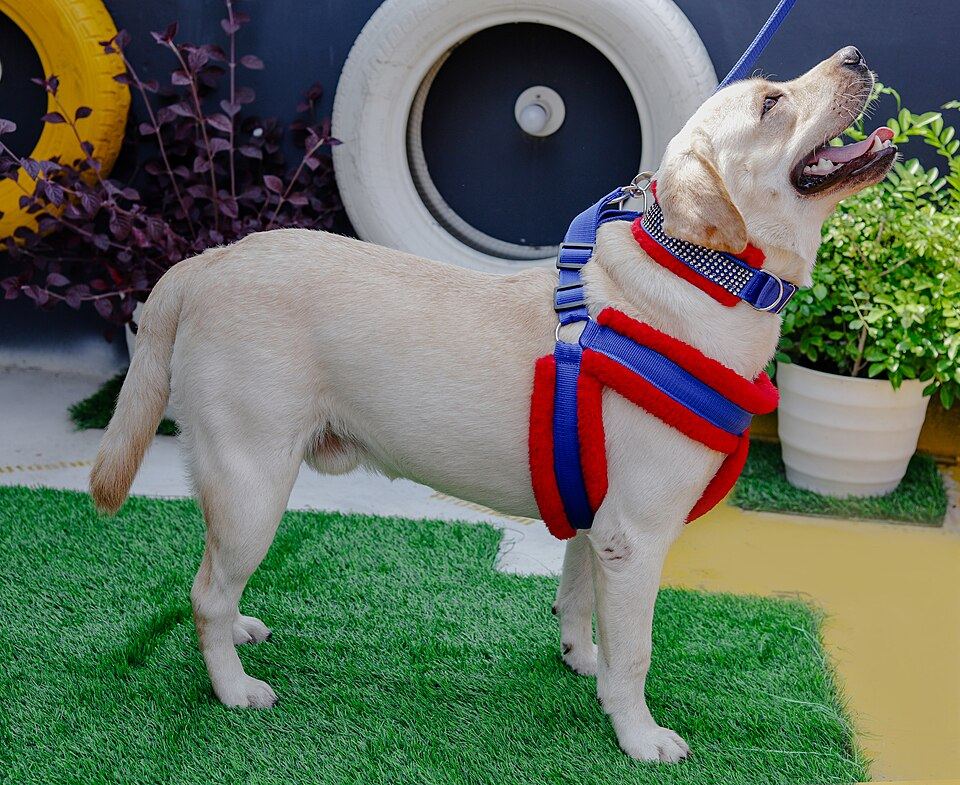
In the notes I read, vest harnesses come back for one broad reason: the panel does not sit where the buyer expected it to. A vest wraps the chest and the shoulders, so it needs room at the widest part of the rib cage and clear space in front of the shoulder. Dogs with a deep chest or a heavy coat push against that panel, and the harness shifts forward on the walk. Buyers often size up to fix it, which moves the chest strap lower and the belly strap further back. That trade is why a vest can measure perfectly on a standing dog and still fail on the second walk. It is a shape limitation, not a fault in the harness.
Step-in harnesses and the standing-still problem
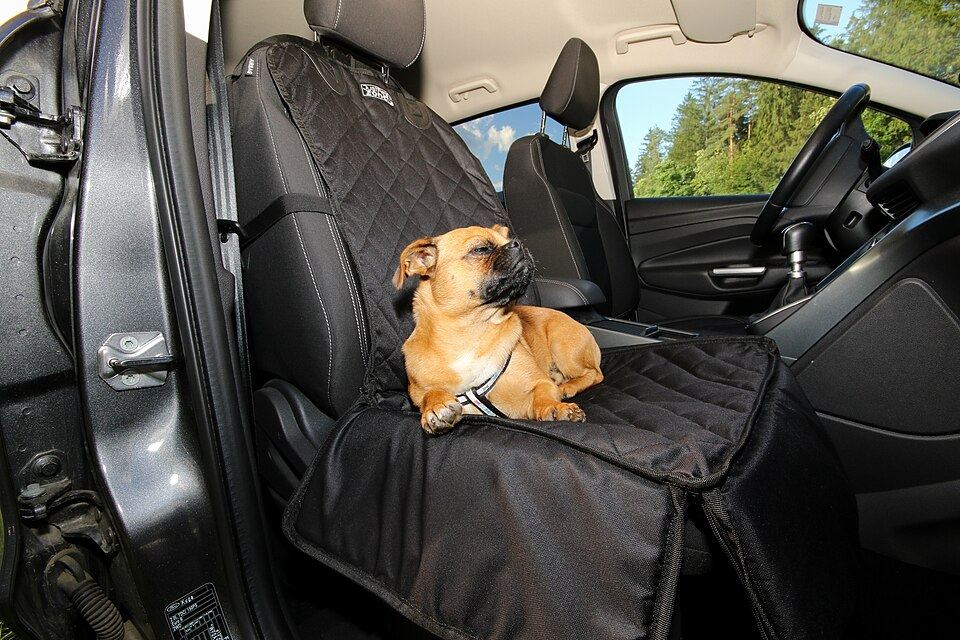
Step-in harnesses are the quickest to put on a dog that co-operates. The dog steps into two loops, you lift the sides and clip. The returns notes are specific about where that fails. The leg holes either sit too close together, so the straps rub the inside of the front legs, or they sit too wide, so the harness twists when the dog pulls. A short body length can put the clip under the belly rather than behind the ribs. Deep-chested and narrow-bodied dogs are the ones I see most often in that group. The shape rewards patience and punishes a dog that lifts one paw and walks off mid-fit.
- Vest shapes return most often over shoulder and chest bulk, not strap length.
- Step-in designs fail when leg holes and body length do not match the dog.
- Over-the-head designs return when the head loop spooks a dog at the door.
- Match the shape to the dog's temperament, then match the measurements.
- Read the return note, not the star rating, before you decide.
Over-the-head harnesses and the ear-shy dog
An over-the-head harness asks for one thing before anything else: the dog has to let a loop pass over its head and ears. Plenty of dogs are fine with that, particularly dogs already used to a collar being pulled on. The returns notes come from the others. The dog backs away, the buyer tries again, and the harness ends up in a drawer. Notes also mention a loop that catches an ear on the way past, or a neck opening snug enough to feel like a collar. Light strap designs in this shape suit dogs that overheat, because there is less material against the body, but the head loop is the same negotiation every time.
What the complaint notes have in common
Read enough of these notes and three themes keep turning up, regardless of the shape. The first is fit in motion: the harness was fine while the dog stood still and wrong once it moved. The second is contact: one specific point, a shoulder, an armpit, a spot behind the front leg, takes all the pressure. The third is handling tolerance: the dog will not hold still or will not accept the loop. Shape decides which of the three you are most likely to meet. Padding softens contact, and adjustment changes the fit, but neither changes the outline of the harness. If the outline is wrong for your dog, the note writes itself.
| Harness shape | Best suited to | Most common return note | What to check before buying |
|---|---|---|---|
| Vest harness | Dogs that stand well for handling | Panels sitting high over the shoulders | Measure the chest at its widest with the dog standing |
| Step-in harness | Dogs that stay still for paw placement | Leg holes that sit too close together | Compare leg-hole spacing with the front leg set |
| Over-the-head harness | Dogs already used to a collar going on | Backing away from the head loop | Check the loop clears the head with the ears flat |
| Light strap harness | Dogs with heavy coats or low heat tolerance | One contact point taking all the pressure | Count the straps touching the body, then check each |
What I would tell a first-time buyer
If you are buying your first harness, start with temperament, then shape, then measurements. A dog that stands quietly can wear almost any of the three. A dog that backs away from anything overhead is better served by a step-in. A dog that hates having its paws handled points towards an over-the-head design. Once the shape is right, measure with the dog standing on a hard floor, chest at the widest rib, and check the harness in motion before you cut any tags. If you want the longer version of that process, the dog harness guides on this site walk through it step by step. Buying shape first is the habit that keeps harnesses out of the returns pile.
Frequently Asked Questions
Do vest harnesses come back more often than strap harnesses?
In the notes I read, yes, but not by a margin I would quote as a number, and I would be wary of anyone who does. Vests cover more of the dog, so there is more surface to sit badly. A strap harness has fewer contact points, which makes it harder to get wrong and also less comfortable on a long walk. The shape is doing the work here, not the brand.
My dog hates anything going over his head. Should I pick a step-in harness?
Probably, but test the leg holes first. A step-in still requires you to handle the front legs, so a dog that dislikes its paws being touched may not be any happier. Practise at home with the harness unclipped, reward the dog for standing, and add the clip only when the dog stays put. If the dog still backs away, ask your vet or a trainer before you buy a third design.
Will sizing up fix a harness that rubs behind the front legs?
Rarely, and it often makes things worse. Sizing up moves the chest strap lower and the body strap further back, which can put pressure on a different spot rather than removing it. Rubbing behind the front leg usually means the outline is sitting too far forward for that dog. Try adjusting the existing harness first, then change the shape rather than the size if the contact point does not move.
How do I measure a dog that will not stand still for a step-in harness?
Measure the chest girth at the widest part of the ribs with the dog standing, and take the reading twice. If the dog will not hold position, measure while it stands over a food bowl or after a walk when it is tired. Note the length from the front of the chest to behind the ribs as well, because step-in leg holes and body length have to work together.
Is it worth buying a cheap harness first to test the shape?
As a shape test, a cheap harness can be a reasonable experiment, provided you accept that stitching and hardware will be the weak points. The outline is what you are testing. If the shape suits your dog, spend more on the same shape rather than jumping to a different design. If it does not, you have lost less money finding that out.
Looking for dog harnesses?
We stock the gear covered in this guide, with Australia-wide shipping and Afterpay at checkout.
Popular in this range: breathable step-in harness
Shop Harnesses at Paws of Oz