Pet Travel Gear in Australia: What Sales Say About Backpacks
Short answer: Australian pet travel gear has shifted noticeably toward backpack-style carriers over the last few years, with sales growth in that category outpacing traditional hard boxes. As a pet industry data analyst I read the retail numbers as a real behavioural change, not a fad, driven by city renters, more cats kept indoors, and a preference for hands-free walking. The magnitudes vary by state, but the direction is consistent. Backpacks are now a core part of the travel-gear shelf rather than a novelty at the edge of it, and that has reshaped how stores allocate shelf space.
Reading the sales signal
Industry estimates suggest the backpack segment has grown well into double digits year on year across several retailers, while classic plastic carriers have been roughly flat. Survey data from the last few years shows owners buying for lifestyle fit, not just vet trips, which is a meaningful change in how people think about moving a pet.
I avoid inventing exact percentages, but the trend line is clear enough to plan around, and suppliers who ignored it have been left with slow-moving hard boxes taking up warehouse room.
Who is actually buying
The strongest uptake is in capital cities among renters and apartment dwellers, exactly the group that walks rather than drives with a pet. Younger owners and first-time cat guardians figure heavily, and many cite public transport use as the reason, because a backpack leaves both hands free for a ticket and a lead.
- City renters with limited car access.
- First-time cat owners keeping cats indoors.
- Walkers who want hands free.
- Owners using public transport.
Why backpacks, not boxes
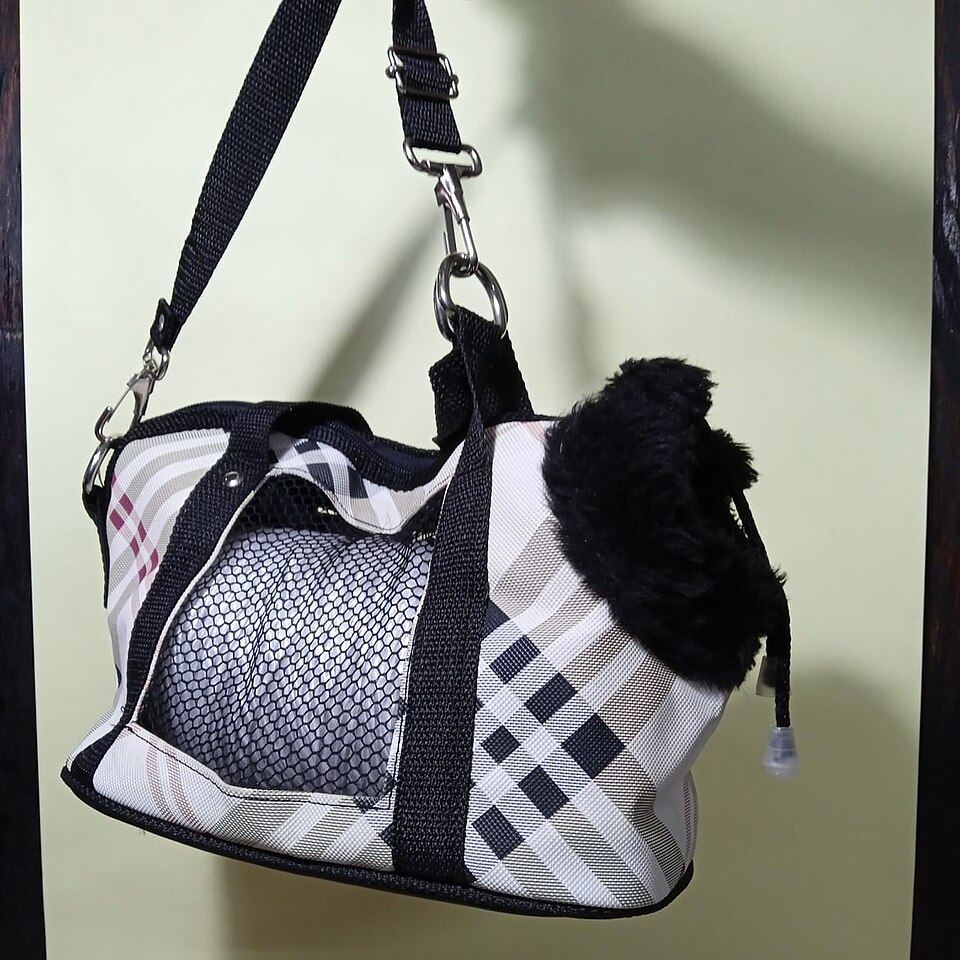
A backpack turns a pet into a portable companion for errands, not just a clinic container. Retailers report repeat purchases as owners upgrade from a cheap first pack to a padded, ventilated second one. That upgrade cycle is what sustains the category, because a satisfied backpack owner comes back for a better model rather than abandoning the format.
The data also shows gift purchases around Christmas, which pulls new owners in, and once a cat rides in a pack, the owner rarely returns to a hard box for casual outings.
Regional differences are worth noting too. In warmer parts of the country, mesh and ventilation features sell faster, while in cooler southern cities the bubble styles hold a larger share for longer. That split mirrors the climate and tells manufacturers what each market actually needs. For shoppers, the lesson is to buy for your own conditions rather than copying a friend in another state, because a pack loved in Hobart may cook a cat in Darwin, and the sales mix reflects that reality clearly.
What the numbers do not say
Sales growth does not mean every backpack is good. Return rates, which I track separately, tell a different story about quality, and the two datasets together give the honest picture. A category can boom while a chunk of buyers regret the specific pack they chose, which is why I pair volume with returns.
| Category | Recent trend |
|---|---|
| Backpack carriers | Strong growth |
| Hard plastic boxes | Flat |
| Slings | Steady niche |
| Airline soft bags | Moderate growth |
| Expandable models | Rising interest |

What this means for shoppers
More competition should mean better features at lower prices, and we are already seeing stronger ventilation and rigid bases become standard. Buyers benefit, but the flood of look-alike packs also makes reading reviews and the fine print more important than ever, because a crowded shelf hides weak zips behind pretty photos.
For a grounded comparison, our pet carriers and backpacks guides cut through the marketing with measured dimensions rather than star ratings alone.
It is worth saying plainly that growth in sales does not equal perfection in product, and buyers should still judge each pack on ventilation, base stability, and closure security. The boom has drawn in weaker brands, so the rising tide lifts some questionable boats as well. Read beyond the star rating, and the sales trend becomes a reason to shop carefully, not a reason to assume every backpack on the shelf is a good one for your pet.
Frequently Asked Questions
Are pet backpacks just a trend?
The sales data suggests a lasting shift rather than a fad, with steady growth over several years and repeat upgrade purchases. City living and indoor-cat norms support continued demand, so the category looks structural, not seasonal, and retailers are planning for it.
Who buys the most backpack carriers?
Capital-city renters, first-time cat owners, and people who walk or use public transport lead the uptake. Younger owners figure prominently, often buying a cheap first pack then upgrading to a better-ventilated model later as they learn what matters.
Have hard carriers stopped selling?
Not entirely, but industry estimates show flat demand for traditional hard boxes while backpacks grow. Hard shells still serve hold travel and large dogs, so they remain on shelves, just no longer the growth story that attracts new brands.
Does this mean prices will drop?
More competition tends to improve features and pressure prices on entry models, though premium packs hold value. Expect better ventilation and bases as standard, but do not assume the cheapest pack meets your airline's rules, because growth attracts cut-price look-alikes.
Where can I see trustworthy comparisons?
Independent guides that test build and airflow beat flashy listings. Look for measured dimensions and honest wear notes rather than star ratings alone, since the category is crowded with look-alike products that photograph better than they perform.
Looking for pet carriers & backpacks?
We stock the gear covered in this guide, with Australia-wide shipping and Afterpay at checkout.
Popular in this range: cartoon carrier tote
Shop Carriers at Paws of Oz