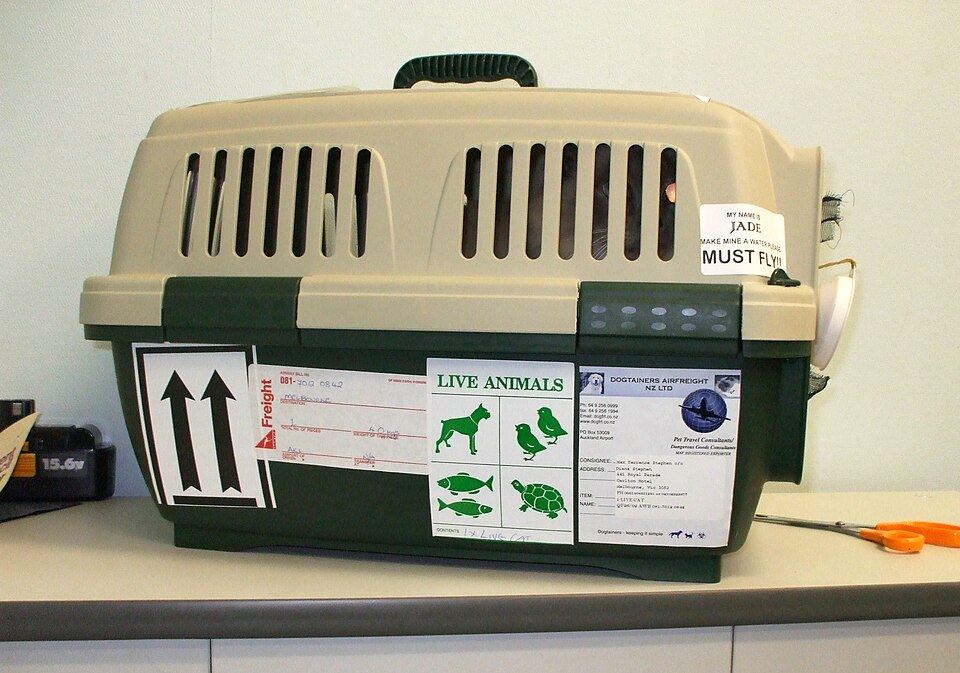
Pet Carrier Return Reasons: Weight Limits, Zips and Wrong Sizes
Short answer: when pet carriers get returned, the reasons cluster into three clear groups, the size was misread, the zip failed or felt flimsy, and the buyer misunderstood the weight limit once the pet grew or the bag was loaded. As a pet industry data analyst I see these patterns repeat across retailers, and they are almost all avoidable at the point of purchase. Reading the size chart properly and matching the carrier to the pet's adult weight would stop a large share of refunds before they start, which is better for shops and far less stressful for the pets involved.
The size-chart mistake
The most common return is simply the wrong size. Owners measure the pet lying down, or they size to today's puppy instead of the adult dog. Retailers report a steady stream of carriers sent back because the animal cannot stand and turn, the rule every airline and welfare guide expects, and the single most ignored line on the listing.
This is a reading problem more than a product problem, and clearer labels would help, but the buyer still has to slow down and measure a standing animal rather than guess from a photo.
Zip and closure failures
The second cluster is zips. Either the zip jammed on arrival, or the owner did not trust it to hold an escaping pet. A carrier is only as safe as its closure, so weak zips drive both returns and one-star reviews even when the rest of the bag is fine. The data shows single-slider designs get complained about more than double-clip ones.
- Jammed zip on first use.
- Zip feels flimsy under load.
- Escape worry from a single slider.
- Misaligned teeth after washing.
Weight-limit confusion
The third group is weight. Some listings quote the pet's limit, others the combined pet-and-bag limit, and buyers mix them up. A growing puppy or a packed bag tips a carrier over its stated load, and back it goes, often with a note that the cat or dog seemed too heavy for the frame after a week of use.
The fix is boring but effective: read the exact wording, weigh the pet plus the empty bag, and stay under the figure with margin, because a carrier at its limit behaves worse than one with room to spare.
There is also a training gap behind some returns that the data only hints at. Carriers sent back because the pet refused them are not a product fault, yet they land in the same pile, and a short note about home practice on the listing could prevent many of them. Shops that include a one-line training tip with the box report fewer of these returns, because the owner knows to introduce it gradually. The pattern, then, is partly a communication problem, not only a sizing or zip problem.
What the patterns tell retailers
Standardising how weight limits are stated and adding a standing-measurement diagram would cut returns noticeably. Until then, the burden sits with the buyer to read carefully and, where possible, fit the pet in store before the holiday rush, when the queue is short and the assistant has time.
| Return reason | How to avoid it |
|---|---|
| Wrong size | Measure standing, allow growth |
| Zip failure | Test on arrival, check reviews |
| Weight limit | Confirm pet plus bag load |
| Pet refused | Train at home first |
| Too hot | Pick multi-side mesh |

Reading the data as a buyer
For shoppers, the lesson is to treat the size chart as the most important part of the listing, not an afterthought below the photos. A carrier that fits, closes securely, and stays under the weight limit is rarely returned, and the reviews that mention those three things are the ones worth trusting when you are choosing.
Our pet carriers and backpacks guides explain the measurements that actually matter, so you buy once instead of buying, returning, and buying again.
Frequently Asked Questions
What is the top reason carriers get returned?
The wrong size is the leader, usually because the pet was measured lying down or sized as a puppy rather than an adult. Always measure standing and check the stand-and-turn rule, and the return becomes unnecessary, saving you a postage trip.
How do I read the weight limit correctly?
Find out whether the limit is the pet alone or the pet plus the loaded bag, since listings differ. Weigh your pet and add the carrier's own weight, then stay under the stated figure with margin to spare, because a maxed-out bag fails sooner.
Are zip failures common?
They appear often enough to be a top return reason, either jamming on arrival or feeling too weak for an escaping pet. Test the zip the moment the box arrives and read owner reviews that mention closure security, not just overall star ratings.
Should I size up to be safe?
A little room helps, but too large a carrier slides under a seat or fails airline fit rules. Aim for snug with stand-and-turn space, not a mansion, and match the outer dimensions to your travel limits so the box actually boards the plane.
Can training cut returns too?
Yes. A fair share of returns are pets that simply refused the box, which home training prevents. A carrier a pet accepts is rarely sent back, so pair the right size with a week of positive practice before any trip or clinic visit.
Looking for pet carriers & backpacks?
We stock the gear covered in this guide, with Australia-wide shipping and Afterpay at checkout.
Popular in this range: cartoon carrier tote
Shop Carriers at Paws of Oz