Perch Placement and Light: Getting the Spot Right for Cat and Room
Short answer: The right perch is less about the bracket and more about the window behind it. Pick a window that gives your cat a calm view and gentle warmth without turning the room into a greenhouse, then place the perch so the light falls where it helps rather than glares. Match the spot to how you actually use the room, not just to the cat.
I was styling a living room in a Paddington cottage last winter when the owner pointed at a bare north-facing window and said the cat had claimed it but the perch kept sliding. We stood there while the afternoon sun came straight in and lit the whole wall, and I realised the problem was never the perch. It was the window. The light was harsh, the sill got hot, and the cat used it for ten minutes then left. That is the mistake I see most: people bolt the perch on and wonder why the cat ignores it. The window does half the work, and in Brisbane's light it does the harder half. Get the spot right and the perch almost sells itself.
North light beats west for a daily perch
In Brisbane the direction a window faces decides whether a perch gets used. A north-facing window gives steady, soft light through the day and stays warm without cooking the room, which is why I steer clients toward it for a perch the cat will use daily. East windows are good for morning cats and stay cool by afternoon. West windows are the trap: they look lovely at 4pm but the glass throws real heat, and on a January afternoon the sill can get too warm for comfort. South light is flat and dim, fine for a cat that likes to watch the footpath, not one seeking warmth. I tell clients to watch the window for a full day before buying anything, because the light, not the furniture, sets the rules. For a wider compare of shapes and fills, see our cat window perch guides.
Give the cat a sightline worth guarding
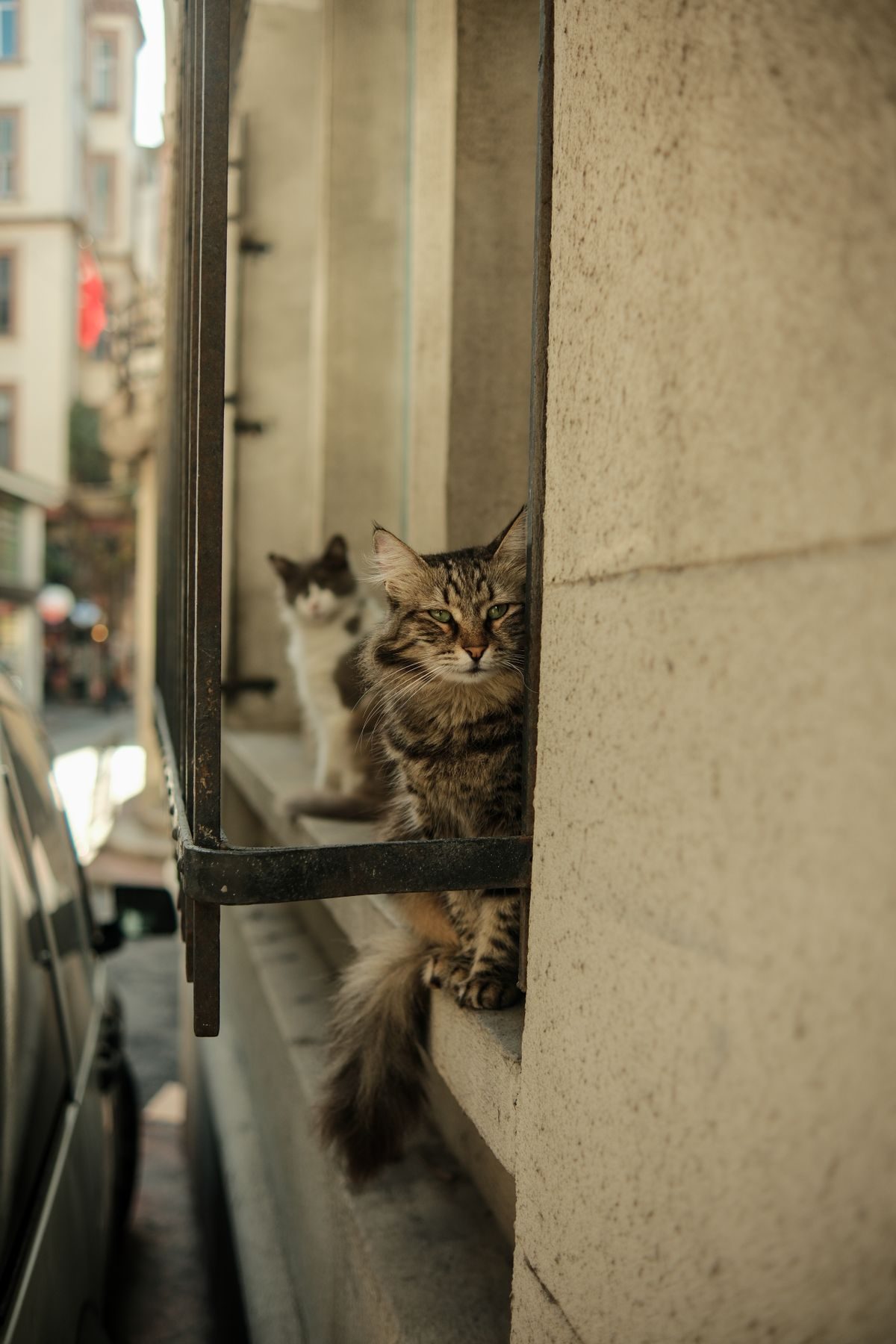
A perch earns its place when the cat can see something move. In my jobs the windows cats use longest look out onto a garden, a busy footpath, or a neighbour's fence where birds and lizards turn up. A perch facing a blank wall or a closed courtyard gets ignored within a week. I ask clients what moves outside that window before I recommend a spot, because the view is the entertainment. Height matters too: cats like to look down on the room, so a sill perch near a shelf reads as a lookout. The room stays usable and the cat gets a post with a purpose, which is the deal every good perch placement makes.

Keep the perch out of the room's traffic
The second half of placement is the room, not the cat. I have moved more perches than I have installed, usually because the first spot blocked a walkway. A perch needs a clear approach so the cat does not have to cross the TV or the dinner table to reach it, and the humans need the window free for opening and cleaning. I plan the perch as part of the furniture line, tucked to one side of the glass rather than centred, so the light still reaches the plant on the sill and the person at the desk is not in shadow. When the perch shares the window with the room's real use, both sides keep their spot and nobody resents the other.
- Watch the window for a full day before you choose a perch spot.
- North and east windows suit daily perches better than hot west glass.
- Pick a window with movement outside so the cat stays interested.
- Tuck the perch to one side so the room keeps its own use.
- Match the perch height to a lookout the cat can guard and watch.
Manage the glare before it ruins the room
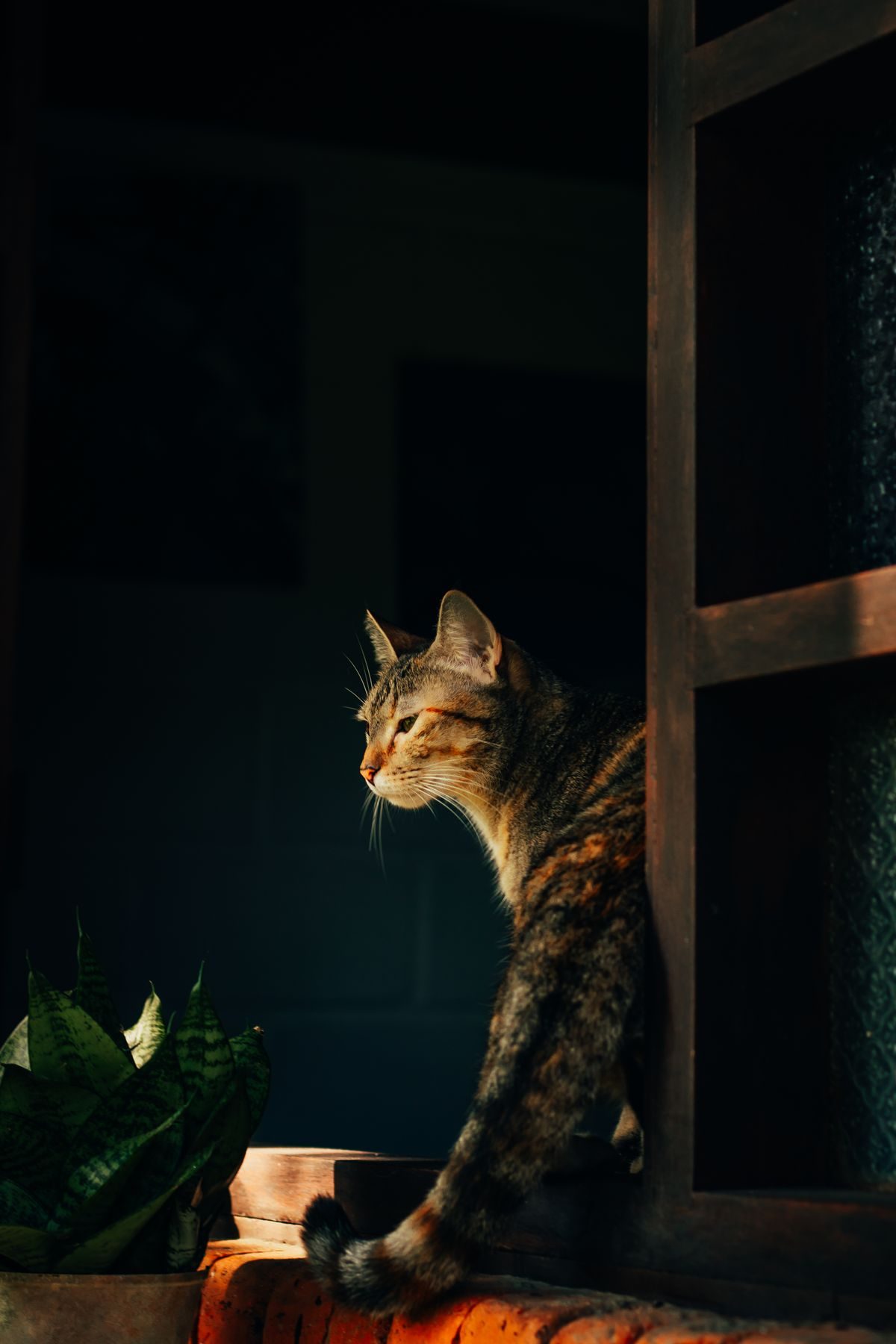
A perch that brings light into the room can also bring glare onto the floorboards and the sofa, and that is where styling and the cat pull in opposite directions. I have seen a west perch wash out a television and fade a rug within a season, which makes the owner want to take the whole thing down. The fix is rarely to move the cat. It is to place the perch where the low sun hits the glass but not the seating, and to keep a clear mat under the spot so the cat's favourite angle does not also become a heat spot on the timber. Brisbane afternoons are bright, so I plan the perch for the cat's light and the room's shade at once.

Let the window ledge do the work
One of the neatest tricks in a small Brisbane home is to let the sill do the work. A wide enough ledge becomes the perch itself once you add a washable mat and a low rail the cat can lean against, and you lose the bracket entirely. This suits a cat that likes to be in the room, and it keeps the glass clear for the person who opens the window. I check the ledge depth first, because a shallow 10 centimetre sill will not hold a cat comfortably while a 25 centimetre one gives a real seat. When the ledge earns its keep, the perch stops being a thing you added and starts being part of the window the room already had.
| Window facing | Light through day | Best perch type | Watch out for |
|---|---|---|---|
| North | Steady, soft, warm | Sill ledge or low mount | Little direct sun, low drama |
| East | Bright morning, cool later | Wall bracket at height | Short use window after noon |
| West | Flat then hot late | Shaded bracket, not the glass | Sill gets too warm in summer |
| South | Flat, dim, even | Low perch by the glass | Weak warmth, needs a view |
Plan the perch with the whole window
The mistake I keep fixing is treating the perch as a solo object stuck on a pane, when it is really one part of how a window works for the whole household. Before I settle a spot I ask where the cat sleeps, where the sun lands at the worst hour, and where the person needs the glass free. If the perch wins all three battles the room loses, and the cat loses too once the humans take it down. Good placement is a quiet compromise: the cat gets the warm corner and the room keeps its light. That is the whole job, and it starts with the glass, not the bracket.

Frequently Asked Questions
Which window should I avoid for a cat perch in summer?
In Brisbane I avoid west-facing windows for a daily perch because the late sun heats the glass and the sill can get too warm for a cat to lie on comfortably. East and north windows stay kinder through the day. If west is your only option, place the perch off the glass and give the cat a shaded bracket instead, then watch the spot on a hot afternoon before you commit.
How high should a window perch sit for a cat?
Height depends on the cat and the room. A perch at shoulder height to a low shelf lets most cats look down on the room yet reach it in a hop or two. I plan the height around a sightline to the glass so the cat guards the window safely. For a kitten or senior, lower the perch and add a step. If your cat has mobility trouble, ask your vet before raising it.
Can a window perch work in a small apartment?
Yes, and small homes are often easier than big ones because the cat is already near the action. I use the sill as the perch where the ledge is deep enough, or a single bracket to one side so the walkway stays clear. The trick is to keep the glass free for the person and the cat's seat tucked out of the path, so the room still works for both.
How do I stop the perch from fading my furniture?
Place the perch where the low sun hits the glass but not your seating or rug, because west and late-day light fades timber and fabric. I keep a mat under the perch so the cat's warm spot is on the mat, not the bare floorboards. If a window throws strong afternoon light, move the perch to the shaded side of the glass rather than centring it. Good placement protects the room while the cat keeps the warm corner.
Should the perch face the sun or away from it?
Neither extreme works. A cat wants sun warmth on the glass but not a perch that bakes, so I place it just off the hottest pane with light beside the cat, not on it. North and east windows give that balance. If the only good view is a hot west window, set the perch in the shade of the frame and give the cat a cooler retreat spot.
Looking for cat window perches?
We stock the gear covered in this guide, with Australia-wide shipping and Afterpay at checkout.
Shop Window Perches at Paws of Oz