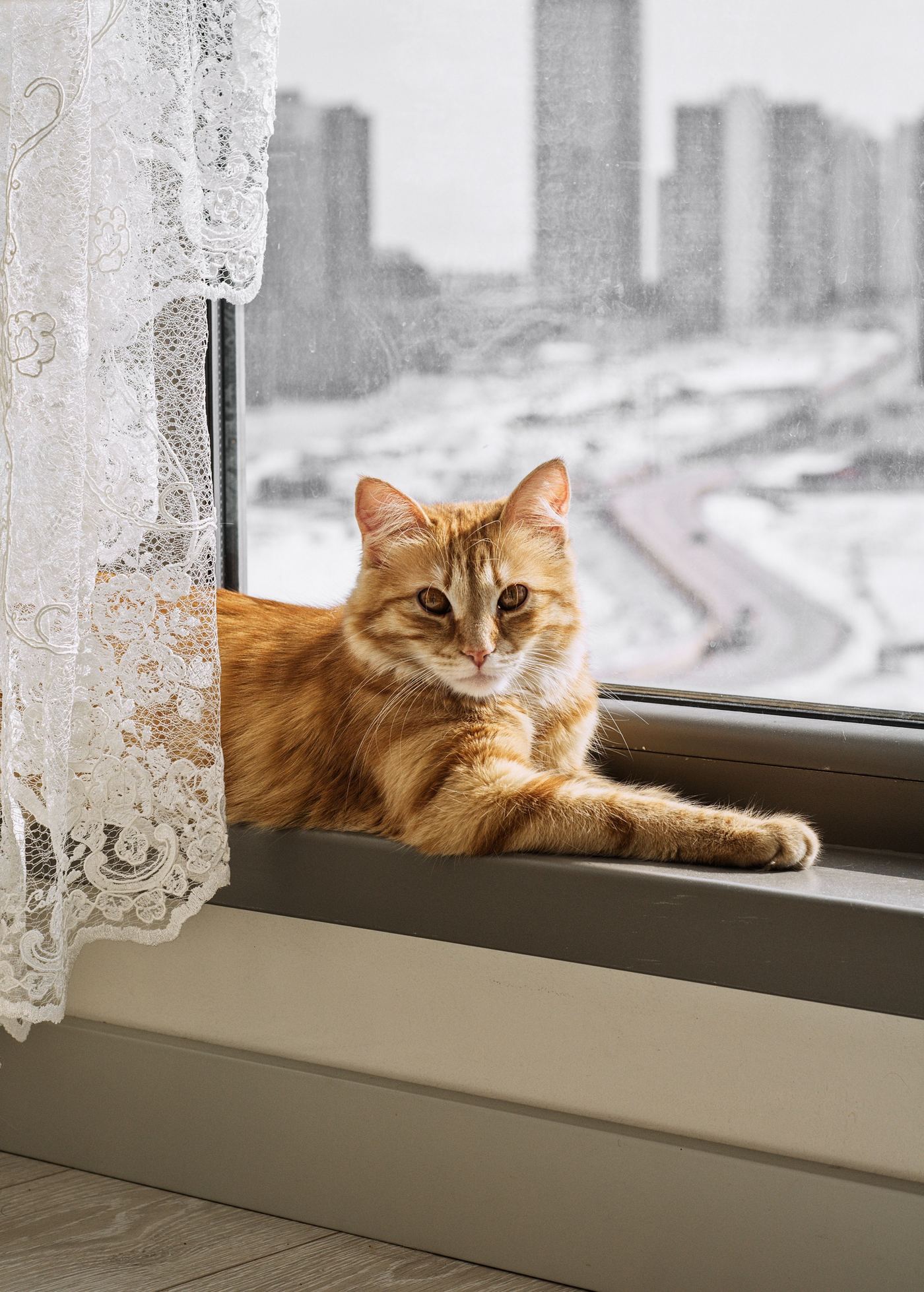
One Perch, One Room: Styling a Single Cat Setup
Short answer: one cat perch is enough if you choose the spot your cat already watches from, mount it at a height they reach without a leap, and leave the rest of that wall alone. Styled in the same colour family as the frame or floor, a single perch reads as furniture rather than cat gear.
Last winter I styled a New Farm terrace where the brief was one perch, one window and a lounge that still had to work as a lounge. The owner had already bought a wall of cat shelves and hated what it did to the room. We took it down, kept a single perch on the eastern window, and moved the armchair 40 cm so the cat could step from the chair back onto the perch. The room stopped looking like a cat room that afternoon. Most homes will never get a climbing wall, and they do not need one.
Start with what the room already gives you
Before anything gets mounted, I walk the room at the two times of day it actually gets used. Light moves quickly in a Brisbane Queenslander, and the spot that looks right at 9 am can be a glare trap by 2 pm. I am looking for three things: a view the cat can watch for a while, a surface at a workable height, and a line the eye already follows, usually a window frame, a curtain edge or the top of a bookshelf.
A perch looks intentional when it sits on a line that already exists in the room, and it looks like clutter when it interrupts empty wall. If there is no such line, either create one with the perch and a shelf, or choose a different window.
The one spot that has to do two jobs
Your cat's requirements are short and not negotiable. Height, a view, a way up that does not ask for a leap they are unsure about, and a position out of draughts and away from direct heat. Cats want to be in the room rather than beside it, which is why a perch above the couch beats a better perch in a spare room.
The room has its own list. The perch should not block a walkway, sit in the line of the television, or fight the curtain. When the two lists clash, I move the furniture before I move the perch. Shifting an armchair 30 or 40 cm is free, reversible and usually solves both. If your cat is older, ask your vet about a sensible height and route before you commit to a spot.
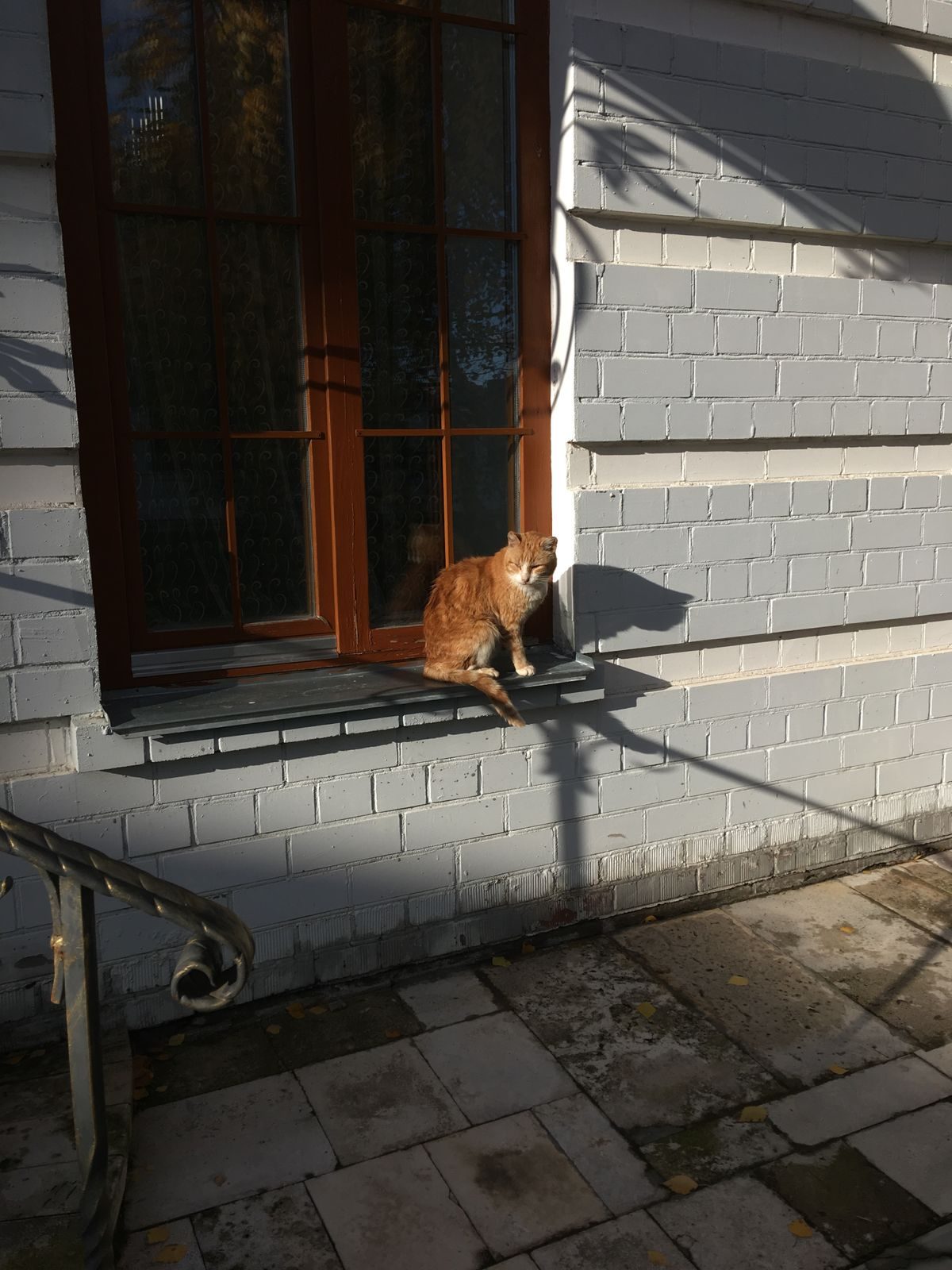
Making a single perch look deliberate
One perch reads as furniture when it is the only thing on that wall doing the job. Two perches read as a compromise, three read as a cat room. So with a single perch I style around it rather than adding to it. The perch takes the best spot, the plant or the lamp takes the second best, and nothing else goes on that stretch of wall.
Material and colour do quiet work here. Against a white frame, a white or pale timber perch disappears into the frame and the cat becomes the feature. In a warm room with brass and timber, a darker perch can pass as a shelf you chose on purpose. I keep it within a shade or two of something already in the room rather than introducing a new colour family. It also has to sit within reach of something to step down onto.
- One perch on an existing visual line beats three that interrupt empty wall.
- Move the armchair before you move the perch; 40 cm of floor is free.
- Keep the perch in the room your cat already uses, not the spare room.
- A step within 40 cm matters more than height for a cautious cat.
- Leave the wall around the perch empty so it reads as chosen.
What to leave out
The hard part of a single-perch setup is not placing it, it is resisting the next purchase. Once the perch is up, the pull is a second one for the other window, a hammock for the glass, a scratcher underneath. Each one is defensible alone; together they take the room.
I leave out anything that duplicates the perch's job. If the perch is the high lookout, you do not need a second high lookout. A scratching post belongs beside the perch, but it does not have to be a tower. Toys live in one basket, not on every surface, and bedding gets one spot on something the cat already likes. Ask what the perch does not do, then solve only that.
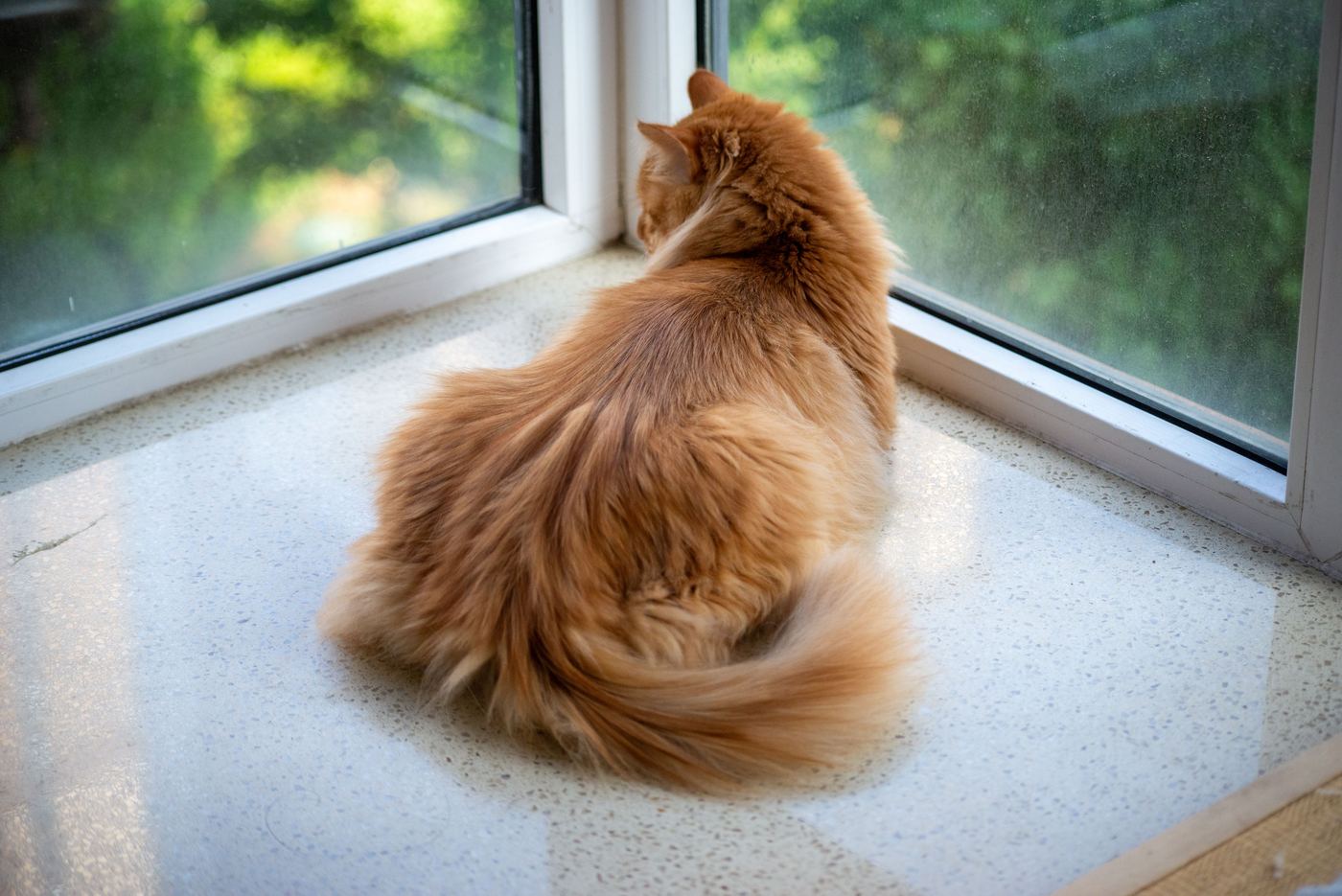
Height and the route up
Cats like height, but height without a route is just a jump. For most adult cats, a perch at window-sill height, roughly 90 to 110 cm above the floor, with one intermediate step, gets used every day. Higher than that and you need a chair back, a shelf or a stool within 40 cm, so the cat steps rather than leaps.
For an older cat the calculation changes completely. A perch at 60 cm with a low, wide step is worth more than a 1.5 metre shelf they cannot reach. Watch how your cat moves before you decide, and if they are stiff or hesitant about jumping, ask your vet what height and route is reasonable. The mount matters too, and the cat window perch guides cover what holds where.
| Perch type | Mounts to | Best for | Watch for |
|---|---|---|---|
| Sill perch | Window sill, no fixing | Rentals, lighter cats, timber sills | Sill depth and how much weight it takes |
| Suction mount | Smooth glass | Large windows, changing the spot often | Warm glass and how often the cups are checked |
| Wall shelf perch | Bracket into a stud | Own homes, heavier cats, a long-term spot | Finding the stud and patching later |
| Freestanding stand | Floor only | Rentals, hard floors, no tools at all | Floor space and tipping if it is light |
| Wide ledge perch | Sill and wall | Deep sills, a cat that likes to stretch out | Blocking the light line and the curtain |
The first week and the small adjustments
Expect to move the perch once. Almost every setup I finish gets nudged within a fortnight, usually 10 or 20 cm along the sill or one notch down in height. Watch where your cat lands rather than where they sit. If they cross the perch to get somewhere else, it is a bridge, not a lookout.
After that it is maintenance. In a humid Brisbane summer, glass and suction cups need wiping every couple of weeks, and removable covers want a 30 degree wash. Sun will fade a bright cushion faster on north and west glass, so I keep pale, washable covers there. Curtains should clear the perch by a hand's width so the cat is not dragging fabric on the way up. A used perch is the only kind that looks like it belongs.
Frequently Asked Questions
Will one perch be enough for a cat that has always had a tree?
Often, yes. A perch at the right height in the room your cat already uses gets more traffic than a tall tree in a hallway. What a tree adds is a scratching surface and somewhere to hide, so if both are missing, add a scratcher beside the perch and a box nearby rather than a second climbing structure.
Should the perch go over a couch or on an empty wall?
Over the back of a couch suits most rooms because it lifts the cat into the middle of the space, and the couch gives them a route up. An empty wall only works if you add a step. Either way, leave about 40 cm of clearance so nobody clips it walking past.
My cat ignores the perch. What should I change first?
Change one thing at a time, starting with height. Drop it 20 cm and give it a week. If that changes nothing, move the perch to a window your cat already watches from. Cats also avoid anything that wobbles, so check the mount and the sill before deciding they dislike the spot.
How do I stop a single perch looking like clutter?
Keep the wall around it clear, keep the perch within a shade or two of the frame or the floor, and put everything else away. One perch styled like a shelf reads as furniture. The same perch with a toy basket beneath it and a second hammock reads as a pet shop.
Is it worth paying more for a perch that matches the room?
Only up to a point. A well-made perch that suits the window and sits still will be used, and a settled perch looks intentional. Matching the room is worth a small premium if it means you stop noticing it. Paying more for a colour that fights the curtain is worse than a plain perch that disappears. If your cat is older, spend the difference on stability and an easy step.
Looking for cat window perches?
We stock the gear covered in this guide, with Australia-wide shipping and Afterpay at checkout.
Shop Window Perches at Paws of Oz