Non-Slip and Scratch-Proof: Stopping the Cover Sliding on Sharp Turns
Short answer: if you change one thing, change the backing. You'll want grip before toughness: a scratch-proof cover is worthless if it slides into the footwell the first time you brake for a roo. Door protectors come third — claw marks up the door card are what really cost you at trade-in.
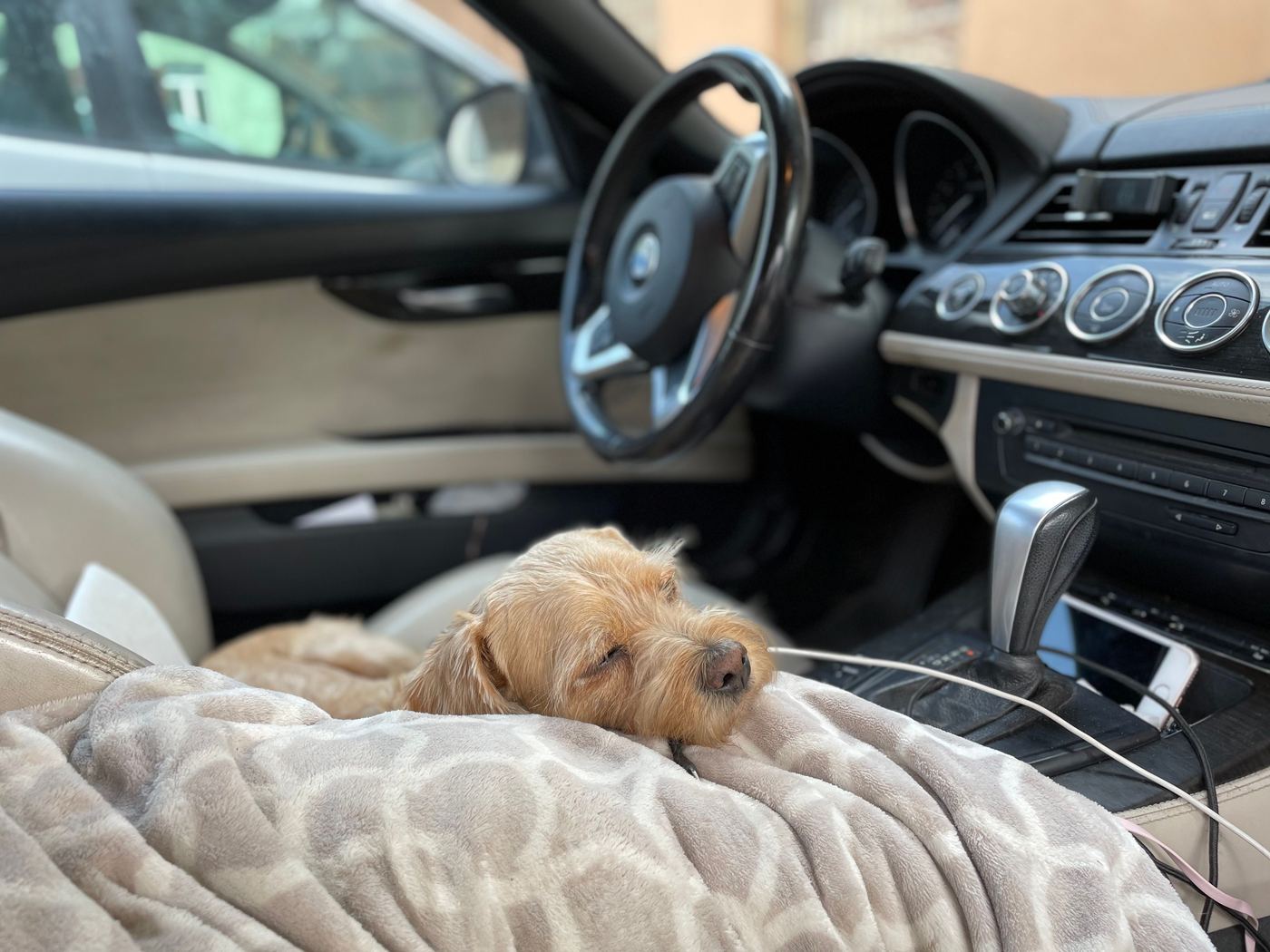
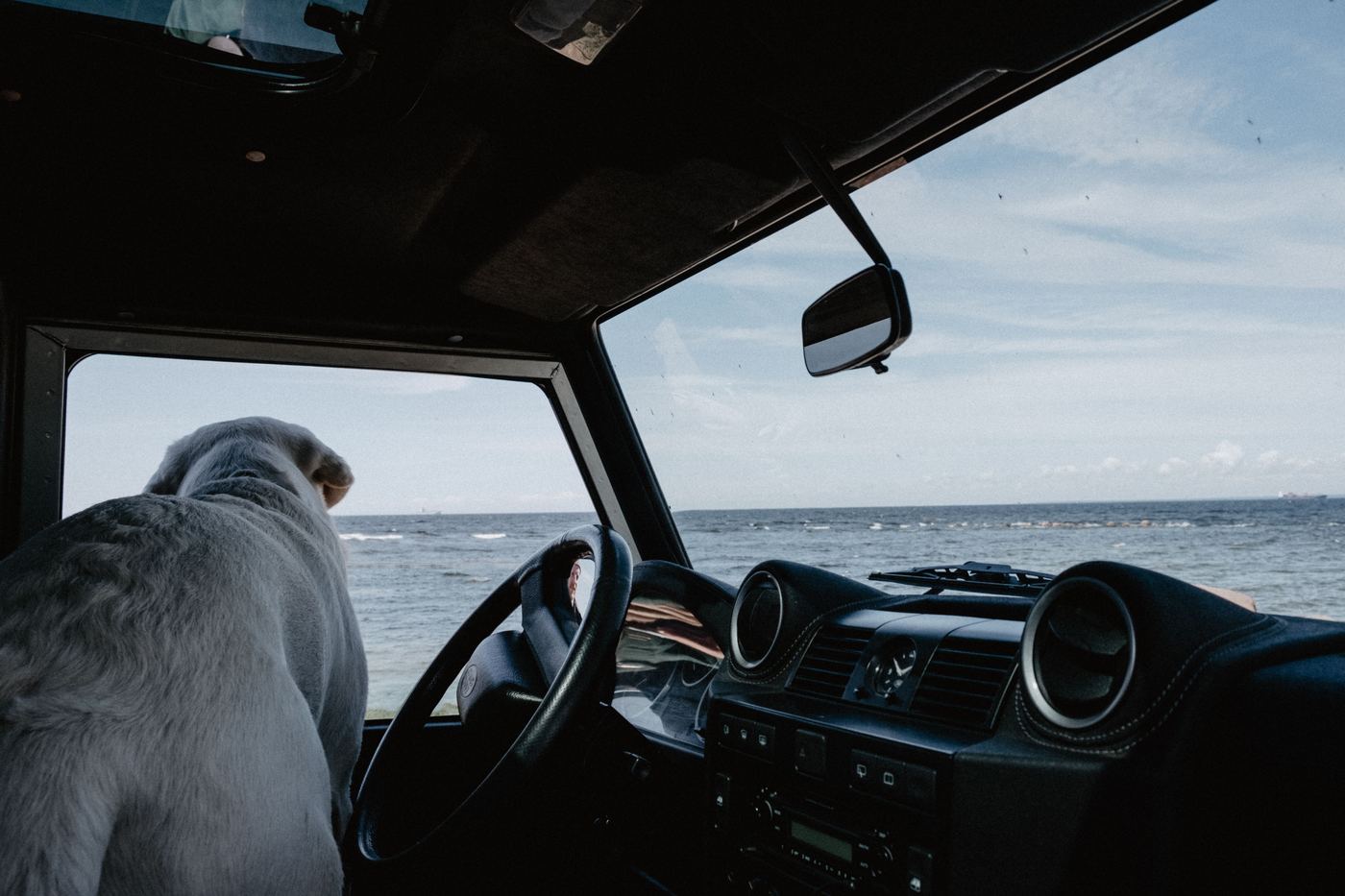
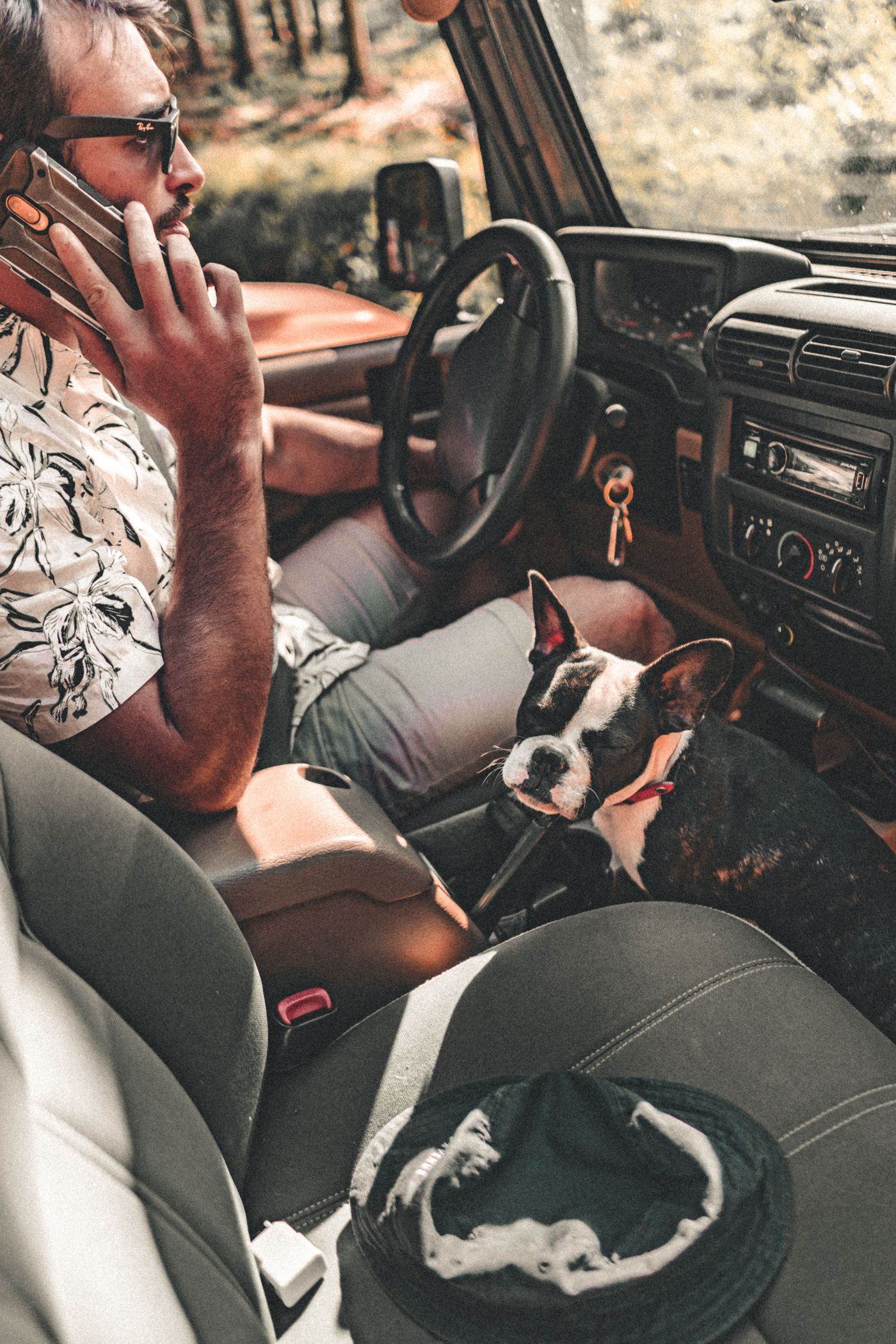
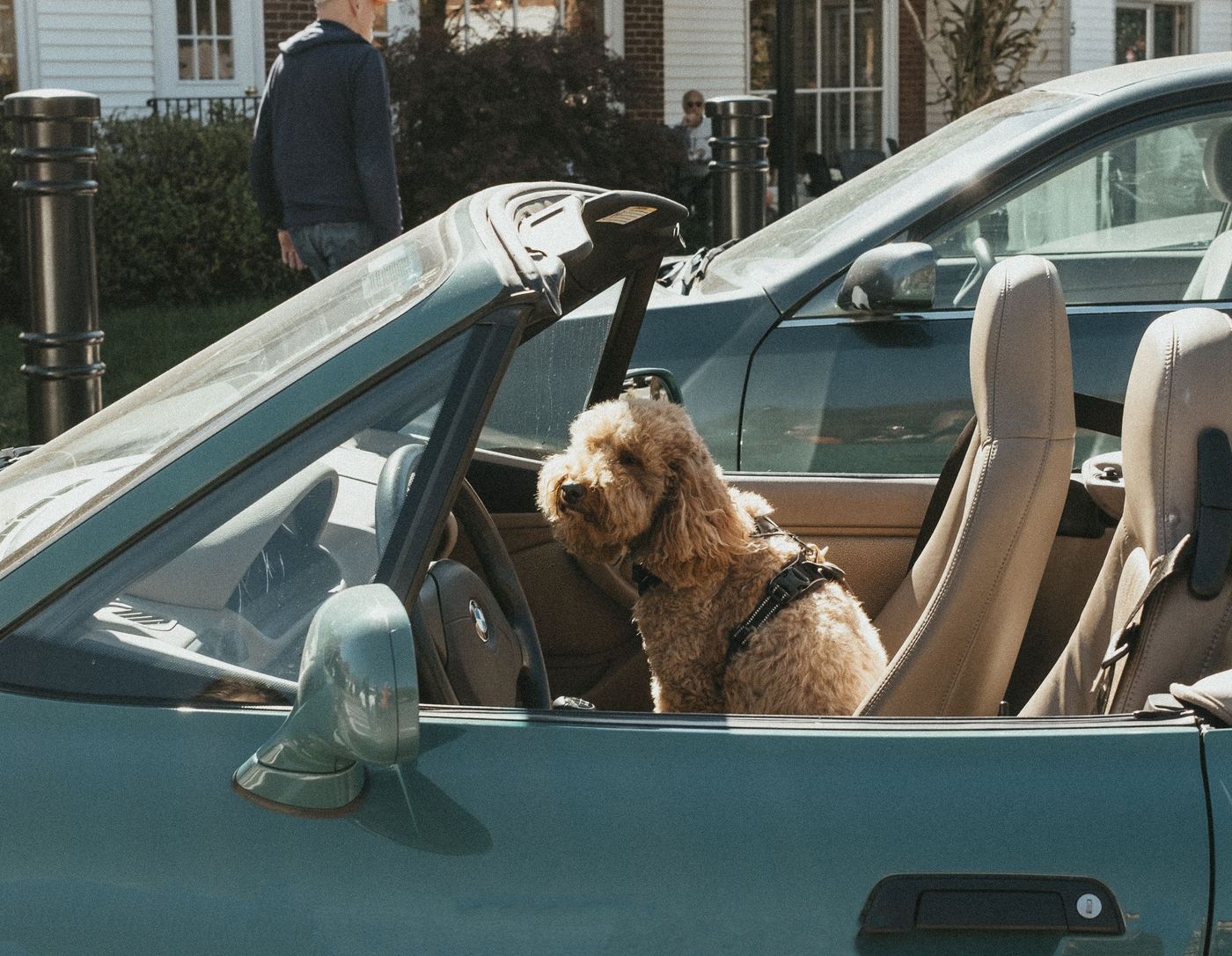
There is a particular corner on the dirt road home where the ute leans hard and the esky slides. The first time I took Banjo through it without a proper cover, he slid straight into the door and left a mark on the trim that is still there if you look. A dog is dead weight when the vehicle moves under him. He cannot brace the way we do, so if the cover is not gripping, he is sliding. That is the whole game with a non slip dog car cover: it is not about comfort, it is about keeping the dog and the seat where they belong.
I have burnt money on covers that looked the part and slid like a wet chook. The lesson cost me a door card and a bit of pride. So let me tell you what actually holds, and what is just a pretty photo.
Why the backing does the heavy lifting
The grip lives on the underside, not the top. A cover with a smooth nylon back will slide the moment you brake or turn, no matter how tough the top fabric is. The good ones use an EVA backing, that rubbery foam layer I bang on about, or a full rubberised coating. EVA grips the seat fabric without sticking to it, so you can pull the cover off to wash it but it stays put while you drive. Rubber backing grips harder still but it is heavier and can leave a faint mark on soft leather if left in the sun for weeks.
Silicone dots are the cheap compromise. You see them on budget covers: a grid of little rubber bumps. They grip for a while, then they wear flat where the dog sits, and before long you are back to sliding. For a working dog that rides daily, go full EVA or full rubber. The dots are fine for the occasional weekend trip to the beach, not for the paddock run.
The scratch problem is really a claw problem
A scratch proof dog seat cover is not magic. It is a tough top fabric, usually 600D Oxford, that the claws cannot easily pierce. Banjo does not set out to destroy the seat, but when he scrambles for a better view at a stock crossing, those nails dig in. The Oxford weave spreads the load so one claw does not tear a run in the cloth. Pair that with the grip underneath and you have removed both ways a cover fails: it slides, and it rips.
The bit people miss is the door. The cover can be bomb-proof on the seat and still useless if the dog rakes the door card with his back feet. That is why a dog seat cover with door protectors is worth the extra few dollars. The side flaps fold up against the doors and take the scratches that would otherwise go into your paint and trim.
Door protectors that actually stay up
Not all door flaps are equal. The good ones have a stiffened edge and either tuck into the window seal or fasten with a quick strap. The useless ones are a floppy bit of cloth that the dog flattens in the first five minutes. Look for flaps that reach at least halfway up the door and that fasten at the top, not just at the bottom. On the beach run, sand gets everywhere, and the flaps also stop the dog shaking salt water straight onto the window winder.
I run flaps on the ute and on the SUV. In the ute the tub is open so the flaps matter less, but in the cab the doors cop it. Banjo reckons the flaps are a personal attack, but the trim says otherwise.
- Choose flaps with a stiffened edge that stay upright.
- Look for flaps that reach at least halfway up the door.
- Fasten flaps at the top, not just at the bottom.
- Flaps also stop the dog shaking salt water on the winder.
Backing types and door features, side by side
Here is the comparison that matters when you are standing in the aisle trying to choose. These are the real-world figures from the better Australian listings.
| Backing / feature | Grip strength | Door protection | Best use |
|---|---|---|---|
| EVA backing (full layer) | Strong, even grip | Requires separate flaps | Daily ute and SUV use |
| Rubberised backing | Very strong, heavier | Requires separate flaps | Heavy dogs, steep tracks |
| Silicone dot grip | Medium, wears down | Requires separate flaps | Occasional weekend trips |
| Side door flaps (PP or Oxford) | Does not grip seat | Protects door cards | Any dog that scratches doors |
| Full hammock with flaps | Strong via seat anchors | Built-in flap coverage | Anxious or active dogs |
Anchors matter as much as the backing
Grip is only half of it. The cover also needs to be tied down. The better ones have straps that loop around the headrests and seat base, plus little rubber tabs that tuck into the seat crease. Banjo can lean on a corner all he likes; if the cover is anchored at four points and gripping with EVA, it is not going anywhere. The covers that only rely on the backing alone are the ones that slowly migrate forward until the dog is sitting on bare leather.
When I fit a new cover I do the corner test: I give it a hard yank before the dog gets in. If it shifts more than a hand's width, the anchors are not right or the backing is wrong for that seat. Fix it then, not after the drive.
Putting it together for the bush
For our life out here, the winning combo is a 600D Oxford top, a full EVA non-slip backing, four-point anchor straps, and side flaps that fasten at the top. That setup has survived two wet seasons, a thousand kilometres of red dirt, and Banjo's opinionated scrambling. The scratches stay in the cover, the cover stays on the seat, and the doors stay clean.
If you only change one thing after reading this, change the backing. A scratch proof dog seat cover is worthless if it slides into the footwell the first time you brake for a roo. Grip first, toughness second, flaps for the doors, and you have got a rig that earns its keep.
Frequently Asked Questions
Frequently asked questions
How do I stop a dog seat cover sliding on corners?
Use a cover with a full EVA or rubberised non-slip backing plus four-point anchor straps around the headrests and seat base. The backing grips the seat; the anchors stop the cover creeping forward under braking.
Are silicone dot grips any good?
They work for occasional trips but wear flat where the dog sits, then slide. For a dog that rides daily, a full EVA or rubber backing lasts far longer and grips more evenly.
What makes a cover scratch proof?
A tough top fabric, usually 600D Oxford, that spreads a claw's load so it cannot tear a run in the cloth. It is claw-resistant, not claw-proof, but it takes a real hiding.
Do I need door protectors for my dog?
If your dog scratches the doors with his back feet or shakes water against the window, yes. A dog seat cover with door protectors uses side flaps to take the scratches instead of your trim and paint.
Will a non-slip cover damage leather seats?
EVA backing is safe on leather. Solid rubber backing can leave a faint mark if left in hot sun for weeks, so for a leather interior prefer EVA and lift the cover now and then.
How tight should the anchors be?
Snug enough that the cover does not shift more than a hand's width when you yank it before the dog boards. Too loose and it migrates; too tight and it wrinkles and rubs.
Looking for dog car seat covers?
We stock the gear covered in this guide, with Australia-wide shipping and Afterpay at checkout.
Popular picks from this guide: boot liner / cargo liner · waterproof seat cover
Shop Car Seat Covers at Paws of Oz