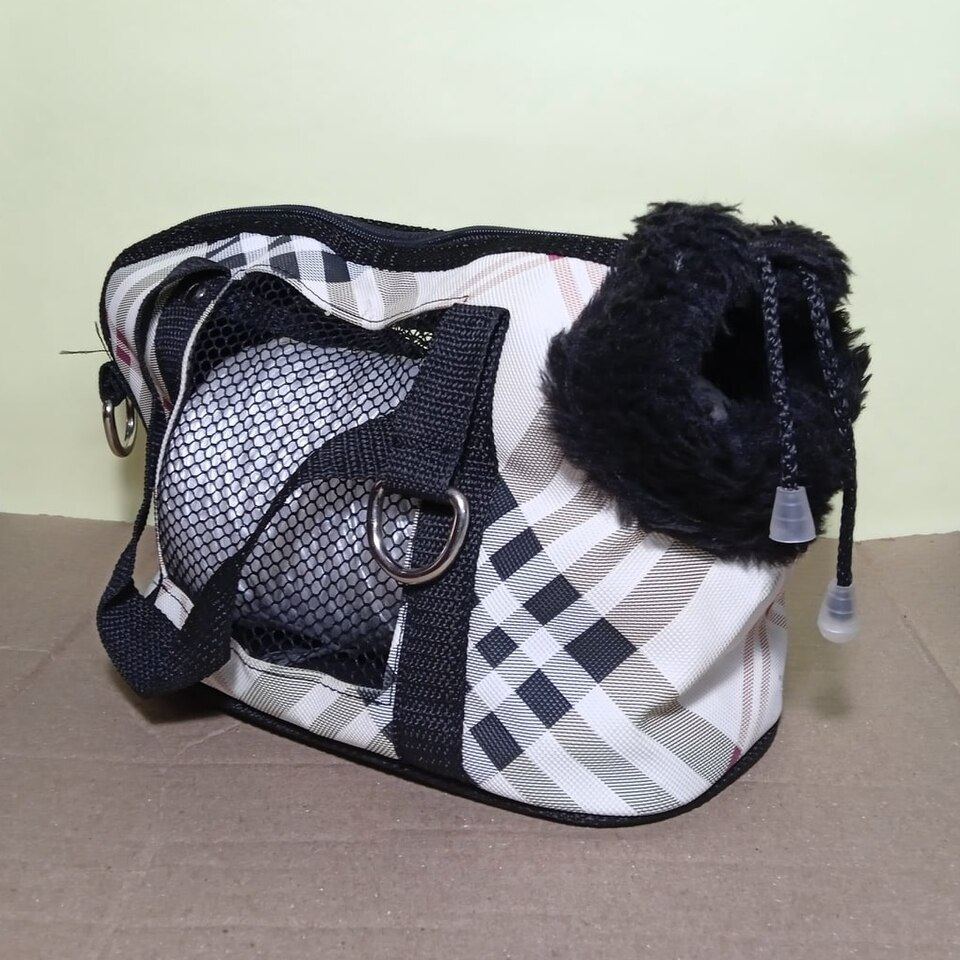
I Trained My Cat to Love the Backpack (No-Force, Treats Only)
Short answer: train a cat to love the backpack with zero force and treats only, because Mochi bolted under the couch yet now hops in herself when I lift the bag. You'll want to leave it open week one, build the treat link week two, then do short calm sessions before any real outing. A breathable mesh bag, a home-smelling blanket and high-value treats are the essentials, and the one rule you never break is no forcing, ever.
When Mochi first saw the backpack, she did what any sensible rescue cat does — she bolted under the couch. I'd read enough horror stories about forced introductions to know I wasn't going to shove her in and zip it shut. So I planned a slow, treat-first approach, and three weeks later she hops in by herself when I pick up the bag. If you're a first-time owner wondering whether this is possible with a skittish cat, I'm living proof it is. Here's exactly how I did it, with zero force.
Week one: just leave it open
The first step in training a cat to use a backpack is to make the bag boring. I left it on the floor in the lounge, zipped open, with a soft blanket and a few of her favourite biscuits inside. No picking her up, no closing anything. For several days it was just furniture she could investigate on her own terms. Cats are curious once the pressure's off, and within two days her nose was inside sniffing for snacks.
I made sure the blanket was one she already slept on, because scent is half the battle with a rescue. A strange new smell in a strange new object is two unknowns at once; letting the bag smell like her own bed removed one of them before we'd even started. If your cat has a favourite cushion, use that — it's the cheapest head start you'll get.
- Leave the bag open on the floor with a blanket inside.
- Put a few of her favourite biscuits inside the open bag.
- Don't pick her up or close anything at this early stage.
- Use a familiar-smelling blanket so the bag smells safe.
- Let curiosity do the work on her own terms over days.
Week two: treats build the positive link
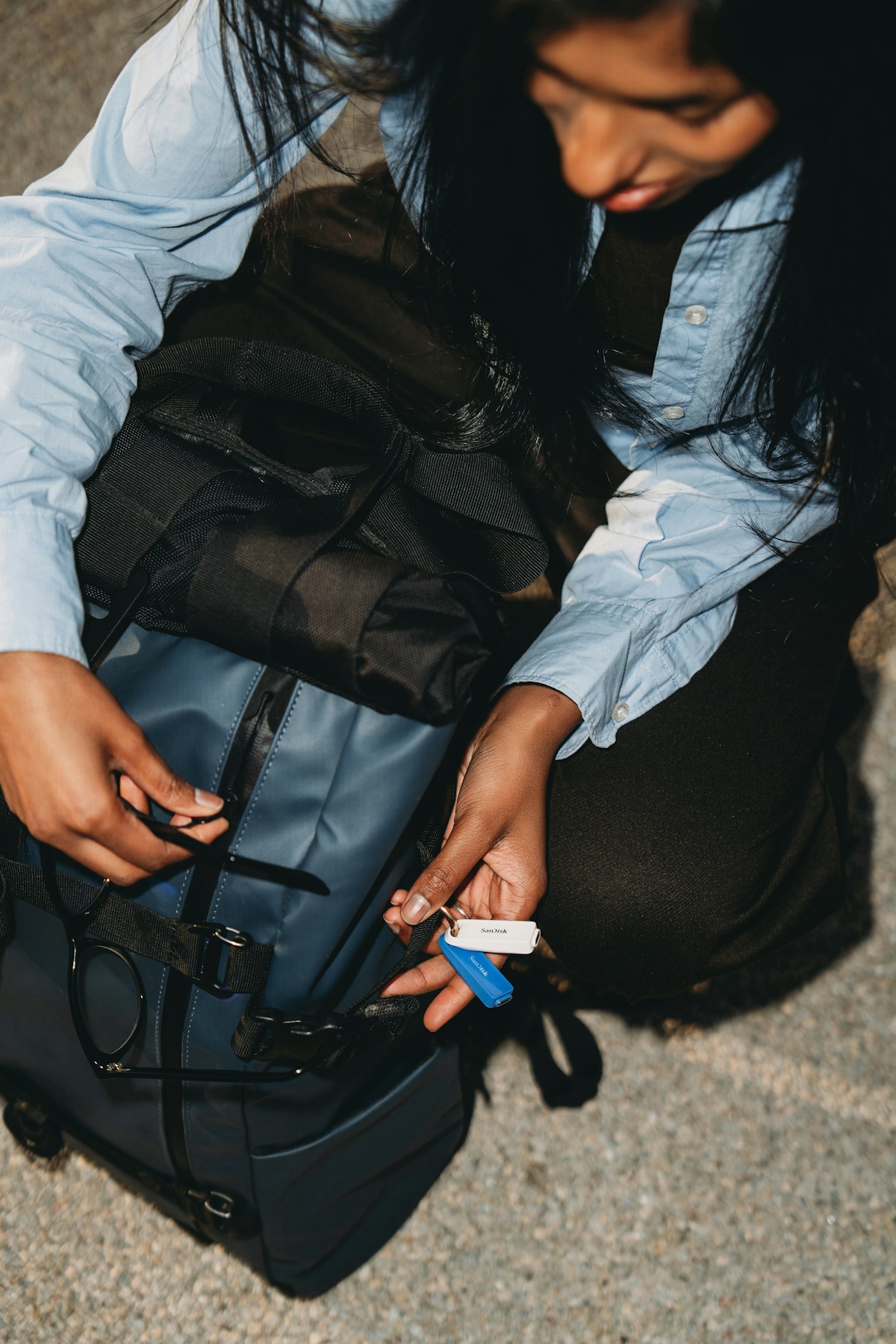
Once she was comfortable poking her head in, I started feeding her near the opening, then just inside, then deeper. The rule I followed for no-force training was simple: if she backed out, that was fine, no follow-up, no coaxing with hands. Treats only ever appeared when she chose to go in. By the end of week two she was sitting fully inside chewing a biscuit, perfectly relaxed, while I gently zipped the top mesh an inch and left it.
Week three: short, calm sessions
With her happy inside the bag, I began lifting it a few centimetres, then standing, then a slow walk to the kitchen and back. Each success earned a really good treat — shredded chicken, her absolute weakness. We kept sessions under five minutes so she never got overwhelmed. The goal was always to end on a win, not to push through fussing.
First real outings
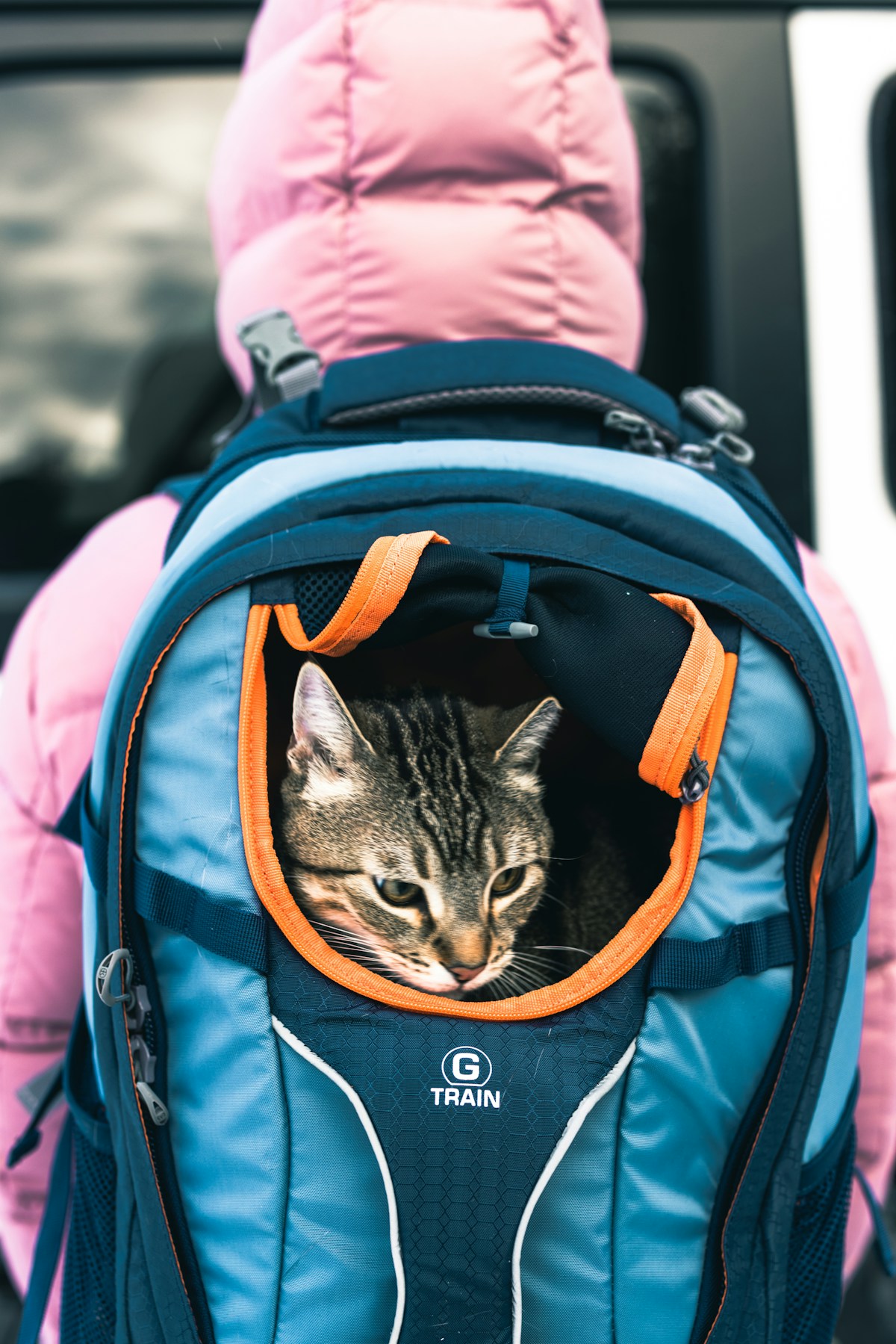
Our first trip was a thirty-second shuffle to the mailbox. Then the driveway. Then a quiet street at dusk. I watched her body language the whole time — ears forward, no yowling — and rewarded heavily at home. Building up this way meant the vet visit that used to terrify her became almost routine. Patience up front saved us months of stress later.
One detail that helped more than I expected: desensitisation to the zip. The sound of a backpack zip used to make Mochi freeze, probably because it meant "contained" in her old home. So I'd zip and unzip the empty bag repeatedly while she ate nearby, pairing the noise with something pleasant. Within days the sound meant nothing to her. If your cat startles at small noises, this tiny step is worth a week of your time.
When it doesn't go to plan
Not every cat follows the timeline, and that's normal. If Mochi had hissed or refused the bag past week two, I'd have slowed right down rather than nudged harder — a no-force approach means the schedule bends to the cat, never the other way. Some owners need a month; a few need longer with a genuinely traumatised rescue. The moment you force it, you reset the trust, so the slower road really is the faster one in the end.
I also kept sessions short on bad days. If she was cranky or the house was noisy with visitors, we simply skipped training. Forcing a tired or stressed cat into the bag would have undone a week of calm progress, and the whole point was to make the backpack feel like a safe, voluntary choice rather than a trap she had to endure.
My essentials checklist for first-timers
If you're starting fresh, here's the checklist I wish I'd been handed on day one:
A breathable mesh bag suited to our climate, not just a cute bubble. A familiar-smelling blanket from home placed in the base so it smells safe. High-value treats your cat rarely gets — chicken, not kibble. A collapsible water bowl for rest stops. A sun cover or light towel for shade. Patience measured in days, not minutes. And a rule you never break: no forcing, ever.
What I'd tell any new owner
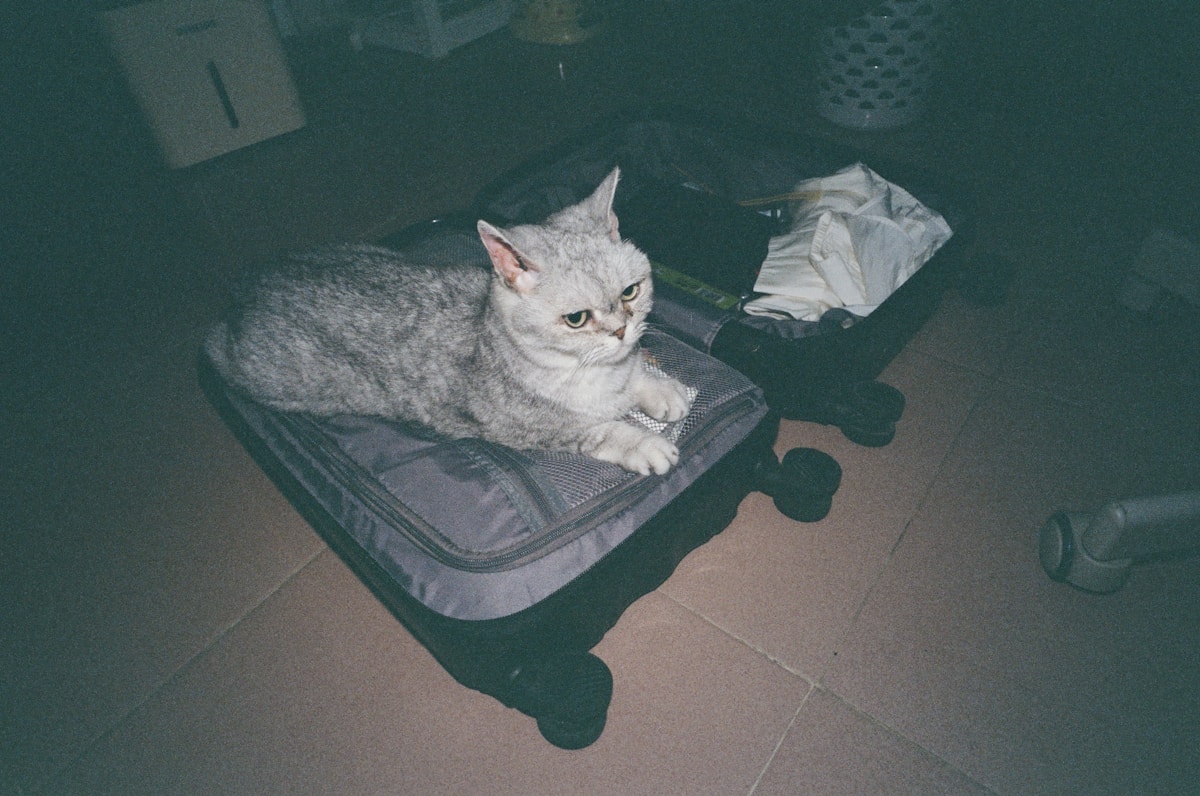
The biggest myth is that cats "just hate carriers" and you have to muscle through. That hasn't been my experience at all. Mochi went from terrified to voluntary in three weeks because I never gave her a reason to fear the bag. If you're working through a first-time owner mindset, trust the process — go slower than you think you need to, celebrate tiny wins, and let treats do the convincing.
Some cats take longer, and that's okay. The no-force approach isn't a race; it's a relationship. And honestly, watching her now leap into the bag when she sees the lead come out is one of the more satisfying things I've managed as a pet owner.
— Proud of Mochi, and reminding myself daily that slow and gentle beat fast and stressful.
Frequently Asked Questions
How long does it take to train a cat to a backpack?
A calm cat can go from wary to voluntary in about three weeks with daily sessions, but some need a month or longer, especially rescues with bad history. The schedule bends to the cat, not the other way. End every session on a win and never push through fussing.
Should I ever force my cat into the backpack?
No. The moment you force it, you reset the trust, and the slower road is actually the faster one in the end. If your cat hisses or refuses, slow right down. Make the bag a safe, voluntary choice rather than a trap she has to endure.
What treats work best for training?
Use high-value treats your cat rarely gets, like shredded chicken, not everyday kibble. Treats should only ever appear when she chooses to go in, so the bag becomes linked with good things. Keep sessions under five minutes so she never gets overwhelmed.
How do I start the first session?
Leave the bag open on the floor with a familiar-smelling blanket and a few biscuits inside. No picking up, no closing. Let her investigate on her own terms, and within a couple of days her nose will be inside sniffing for snacks. Curiosity does the early work.
What essentials do I need before training?
A breathable mesh bag, a blanket that smells like home, high-value treats, a collapsible water bowl, and a light towel or sun cover. Add patience measured in days and one rule you never break: no forcing, ever. Desensitise her to the zip sound early with treats nearby.
Size & Fit Reference
| Size | Pet weight | Internal dimensions (L×W×H) | Best for |
|---|---|---|---|
| S | up to 5 kg | 30 × 28 × 42 cm | Cats, toy breeds, kittens |
| M | 5–7 kg | 33 × 30 × 45 cm | Average cat, small dog |
| L | 7–10 kg | 36 × 32 × 48 cm | Large cat, small–medium dog |
Looking for pet carriers & backpacks?
We stock the gear covered in this guide, with Australia-wide shipping and Afterpay at checkout.
Popular in this range: cartoon carrier tote
Shop Carriers at Paws of Oz