
Calming Gear for Car Travel: What Actually Helped
Short answer: the gear that helped most in the car was gear that gave my test dogs something to do with their mouth or their body, not the products promising calm on their own. Pressure wraps settled the pacers, lick mats settled the whiners, and sprays helped mainly on short, familiar trips.
I keep a notebook behind the counter at the shop, and the car anxiety page is the thickest one in it. Regional customers drive long distances to the vet, the groomer or the beach, and a dog that screams for forty minutes makes the whole car miserable. Over the past year I borrowed three nervous dogs from friends and customers, with their owners riding along, and ran proper test drives with six different calming products. Some results surprised me, and two products I had been recommending for years did nothing at all on the road. These are my honest notes from the passenger seat: what worked, what did not, and how I stack the gear that does.
My test drives and how I scored them
Each dog did the same loop: a ten-minute suburban warm-up, then a thirty-minute highway run, then the return trip. I scored the same things every time, pacing, whining, drooling and whether the dog finally lay down, and I wrote notes at each stage rather than judging the whole trip on memory. Owners stayed in the car the whole time, and we kept the windows partly down for the dogs that heat up quickly. Every product got at least two drives per dog, because first drives are noisy for all the wrong reasons. One cavoodle and two kelpie crosses made up the test crew, all regular car worriers according to their owners. None of this was clinical, it was practical, but the patterns showed up quickly.
Pressure wraps in the back seat
Pressure wraps were the clearest win, but only for one type of dog. The kelpie that paced non-stop settled within ten minutes of the wrap going on, lay down and stayed down for most of the highway run. The cavoodle, who mostly trembles in place, showed no obvious change with the wrap, and on one drive she seemed to dislike the extra pressure. Fit mattered more than I expected. A wrap fitted loose enough to slide around did nothing, while one snug across the chest, two fingers just sliding underneath, was the one that worked. On warm days I took it off at every stop, because a wrap under the summer sun turns into a sauna fast. If your dog is a pacer, this is the first thing I would try.
Sprays and diffusers on real roads
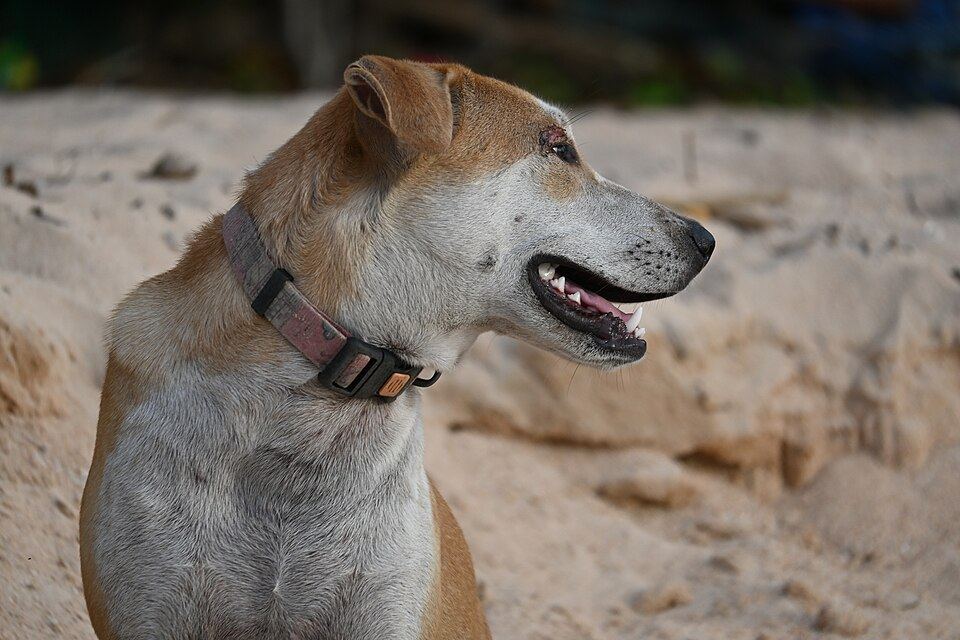
The spray helped on short, familiar trips and faded badly on long ones. I sprayed the dog's travel mat and the seat area ten minutes before loading up, and on vet-run length drives the dogs seemed to settle a touch faster. On the highway leg the effect was gone, or at least I could not see it against the general noise of a long drive. Plug-in diffusers are useless in a car unless you have a portable one, and the portable unit I tested ran fine off a USB port but the fan noise annoyed one dog more than it helped. My honest read: sprays are a low-cost addition to the kit, worth using on the bedding, but I would not rely on them as the main tool for a long trip.
What made no difference at all
Two products earned nothing from me on the road. A herbal calming collar made no visible difference to any of the three dogs across six drives, though to be fair it may help around the house, which is not what I was testing. And a chew-style calming treat, cleared with each owner and their vet beforehand, changed nothing I could see on the drives either. What surprised me most was how much a plain familiar blanket helped the cavoodle, a blanket from her own bed at home, tucked into her travel crate. It cost nothing and beat two pieces of calming gear I sell every week. The lesson for my shelf is that familiarity does more work than most bottles promise.
- Pressure wraps helped dogs that pace, not dogs that freeze.
- Fit a wrap snug enough that two fingers just slide under.
- Spray the bedding ten minutes before the trip, not as the engine starts.
- A blanket from home outperformed products that cost far more.
- Take wraps off at stops on warm days to avoid overheating.
| Gear | Helped most when | Where it fell short |
|---|---|---|
| Pressure wrap | Dogs that pace the back seat | Hot days, and no help for dogs that freeze in place |
| Calming spray on bedding | Short familiar trips like the vet run | Faded badly on long highway drives in my testing |
| Lick mat | Whining and restlessness in the first half hour | Messy in summer, needs a smear worth working for |
| Blanket from home | Puppies and new rescues on early trips | Slides around unless you anchor it on a mat |
| Portable diffuser | Settling a dog in the parked car before you drive off | Fan noise bothered one dog, effect hard to see |
Lick mats and the travel ritual
The single biggest change in my notes came from a lick mat suctioned to the window and smeared with a spoon of peanut butter, xylitol-free of course. The whining kelpie went quiet for the first twenty minutes of the highway run, which no product on its own had managed. Chewing and licking seem to give an anxious dog a job, and a dog with a job has less room for panic. I now tell customers to build a small travel ritual: mat down, blanket in, wrap on if the dog paces, then a calm pause before the engine starts. Gear stacks. The right combination outperformed any single item, and the combination costs less than the fancy gadget most people reach for first.
Before you build your car kit
A note on safety before you buy anything. None of this gear replaces proper restraint, and a dog loose in the cabin is a risk to itself and to you in a sudden stop. Ask your vet first if the anxiety is severe, because some car worry needs a proper behaviour plan rather than a mat and a wrap, and medication is a conversation for the consulting room, not the car park. Start with the cheapest items, a familiar blanket and a lick mat, then add gear one piece at a time so you can tell what is actually working. And keep the notebook habit yourself, because two or three written drives will tell you more about your own dog than any product page ever will.
Frequently Asked Questions
How long before a trip should I put calming gear on my dog?
Build in a buffer. I put wraps on and spray the bedding about ten to fifteen minutes before loading up, so the gear is already working when the engine starts. New gear deserves a rehearsal too. Fit the wrap at home on a quiet day first, and do a short drive around the block before you ask a nervous dog to cope with an hour on the highway.
Do calming collars work in the car?
In my test drives, no. The herbal collar I trialled made no visible difference to any of the three dogs across six drives, so I stopped recommending it for travel specifically. That does not mean every collar is useless at home, but in a moving car with engine noise, windows and changing smells, I would spend the money on a wrap, a lick mat or a proper restraint setup first.
My dog drools and trembles on every drive. What can I do?
Drooling and trembling on drives are common, but they are worth mentioning to your vet, because motion sickness and nausea can look a lot like anxiety and the two often travel together. Once your vet has checked the physical side, tackle the car in stages: parked car with treats, engine idling, then short drives to somewhere fun. Calming gear supports that plan, it does not replace it.
What is the safest way to restrain a dog in the car?
A travel-rated harness clipped into the seatbelt system, a secured travel crate or a cargo barrier, depending on your vehicle and the size of your dog. What you want to avoid is a dog loose in the cabin or on a lap, because airbags and sudden stops are dangerous for everyone. Check that any restraint you buy is actually rated for travel, not just marketed as a car accessory.
Can I feed my dog before a long car trip?
A heavy meal right before driving tends to make things worse, especially for dogs that already drool or pace. I suggest a light meal a couple of hours before departure and nothing in the half hour before loading up. Water is fine, and on long trips plan a stop every couple of hours. If your dog is prone to travel sickness, ask your vet about feeding and timing on the day.
Looking for calming & anxiety?
We stock the gear covered in this guide, with Australia-wide shipping and Afterpay at checkout.
Shop Calming at Paws of Oz