Guests, Parties and an Anxious Dog: A Safety Run Sheet
Short answer: a calm party with an anxious dog is a planning job, not a gear job. Write the run sheet the day before: choose where the dog stays, block every escape route, set a door routine, check the gear, and give every adult in the house one job. Most house-party escapes happen while guests are arriving.
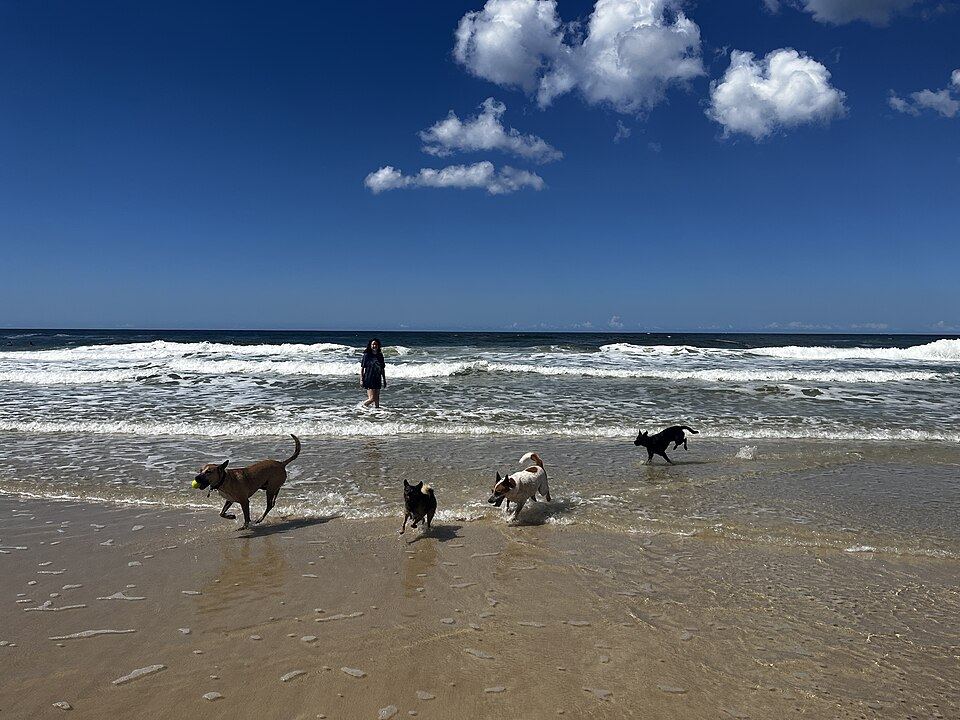
A woman in one of my Gold Coast classes told me her kelpie got out twice during a birthday barbecue: once through an open garage, once through the front door while a guest carried in an esky. Both times she found the dog two streets away, and both times her gear was fine. Nothing was broken, nothing was missing. The problem was that nobody in the house had a job, so the front door sat open and unwatched for twenty minutes. That is the pattern with parties: the equipment is fine and the plan does not exist. This run sheet is the checklist version of what I teach. Work through it the day before, then run it again an hour before the first car pulls up.
Choose the dog's room before anything else
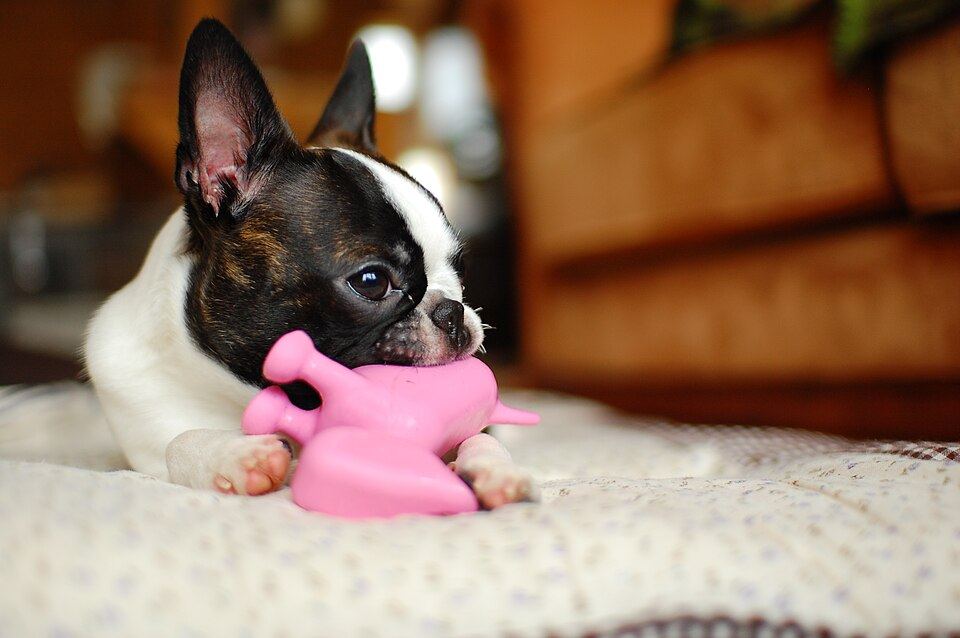
Pick the room before you plan the food. I want four things in it: no direct path to the front door, a floor the dog will not slide on, a door that closes properly, and space for water plus something familiar like their own bed. A back room or a laundry usually beats the living area, because that is where foot traffic and dropped food concentrate.
Then sweep the room the way I ask students to sweep a first aid scene. Remove the bin, the ribbon that comes with decorations, any food left out overnight, and anything the dog could knock over in a startle. Close the window if it opens onto a shared fence line. If you are not sure whether your dog should be part of the party at all, that is a conversation to have with your vet, and the answer does not change this run sheet: the secure room and the door routine protect a settled dog and a worried one the same.
Walk the escape routes in the morning
On the day, before midday, walk the routes a frightened dog would take. Start at the front door and follow it out: is there a gap between the door and the side gate, is the garage door down, is the pool gate latched. Then do the same from the back yard. I ask students to physically open every gate and door along the way, because a latch that looks closed and a latch a guest has not pushed home are two different things.
Fix what you find with hardware, not hope. A baby gate across a hallway, a pool noodle wedged in a sliding door track, a sign on the side gate asking guests to keep it shut. If the side gate is the weak point, park a car in front of it. It is not elegant, but it survives guests who do not read signs.
Set the door routine and brief the household
The front door is the highest-risk point of the whole day, so give it a routine and give it a person. The routine: the dog is behind a closed door before the first guest arrives, and the person on door duty checks that before opening to anyone. If the dog must cross the hallway, it does so on a lead held by someone who lives there, never by a guest.
Then brief the household one sentence each. One person owns the door. One person owns the yard check. One person owns the dog's room and counts heads hourly. Write the names on the fridge. Plans fail when they live in one person's head and that person is busy cooking.
Check the gear the day before
Run your hands over everything the dog will wear or sit in. Check the flat collar and the ID tag for wear, make sure the tag carries your current mobile number, and test the lead clip. If the dog will spend the evening in a harness on a lead inside, check the buckles now, not at 6pm. Nothing on this list needs buying: it needs testing.
If you use calming gear, the check is simpler than people expect: nothing frayed, nothing cracked, and the product already tried on a normal day. Party day is the worst time to introduce something new to an anxious dog. If you are building or topping up a kit, most of it fits in one drawer, and our calming gear range is a reasonable place to compare formats before you buy anything.
- Choose the dog's room first: quiet, closable, away from the front door.
- Walk and physically test every gate, door and latch before midday.
- One named adult owns the front door from first arrival to last.
- Check collar, tag, lead and harness the day before, not party hour.
- Never introduce a new calming product on the day of the party.
Give the guests three short rules
Guests are not the enemy, but they will do three things unless you tell them otherwise: feed the dog, leave doors open and crowd it for pats. So tell them once, plainly, when they arrive. A line like 'she is nervous around new people, please ignore her and do not feed her' does more for the dog than anything on a shop shelf. Put a small sign near the food table about not feeding, because that is where hands wander.
Kids need a firmer line: the dog's room is not part of the play area, and the door stays shut. If parents ask why, the honest answer is that a startle in a closed room is recoverable and a startle in a hallway full of people is not.
| Situation | Where the dog stays | The check that matters most |
|---|---|---|
| Small gathering, adults only | Their usual room with the door shut | Door routine owned by one named person |
| Party with children attending | Locked room away from the play area | Room checked hourly by a named adult |
| Hot evening or heatwave | Coolest room in the house, water topped up | Cords, fans and hot items out of reach |
| Dog new to your home | Quietest room, their own bed and water | Escape route sweep done twice, not once |
| Fireworks or storms nearby | Internal room without a view of the fence line | Radio on, room swept for startle hazards |
The morning after the party
Do one more walk-around the next morning, because this is where lessons are cheap. Check the yard for gaps you missed, check the gates guests used, and run a hand over the dog where collar or harness sat for hours. If anything is rubbed or sore, ring your vet rather than waiting to see.
Then write down what worked. Which door got opened carelessly, which guest ignored the rules, which room the dog actually settled in. The second party is easier than the first, but only if the first one left you a record you can read.
Frequently Asked Questions
Should I give my dog a calming treat before guests arrive?
That is a decision for your vet, who knows your dog's history. What I will say as an instructor: never introduce a new product on party day, and follow the label directions exactly if a product is already part of the routine. Test anything new on a quiet, ordinary day first, and stay nearby while you do.
What if a guest brings their own dog?
Plan for it separately. Two dogs that have never met should not be introduced in a hallway full of arriving guests. Keep them in different rooms or yards, keep leads on for any controlled introduction outside, and ask the visiting owner about their dog's triggers before they arrive. If either dog has any history, keep them apart for the whole visit.
Is it safe to leave my dog in the car during the party?
No. Cabin temperatures climb quickly even on a mild evening, and a car is never a substitute for the secure room in this run sheet. If the party is at a friend's place, bring the dog's bedding and set up the quiet room there instead. Ask the host before you leave home, not when you arrive.
What should I do if my dog gets out anyway?
Do not chase. Chasing turns it into a game and pushes the dog further away. Stand still, crouch, and call in a normal voice. Ask guests to stop moving and stop calling, because scatter makes it worse. If the dog does not return within minutes, door-knock the street it was last seen on and make sure the microchip register holds your current details.
How far ahead should I start this run sheet?
Two passes. The full pass, including gear checks and hardware fixes, happens the day before, because hardware shops shut and gates need screws. The short pass takes ten minutes an hour before the first guest: room swept, water filled, dog behind the door, door owner named. Both passes appear above in the order I teach them.
Looking for calming & anxiety?
We stock the gear covered in this guide, with Australia-wide shipping and Afterpay at checkout.
Shop Calming at Paws of Oz