Calming Beds for Dogs Who Have Never Had One: A Foster Carer's Notes
Most dogs arrive at my door in Ballarat with one item and one question. The item is whatever the shelter tied to their lead. The question, asked in body language, is where am I allowed to be? A bed answers the second thing and, if you buy well, starts work on the first. Forty animals in, I have watched enough first-bed encounters to write the buyer's guide I wish existed: which styles actually get used by dogs who have never had one, which get ignored, and the small print that matters more than the marketing fluff.
What a calming bed actually is, stripped of the ads
The classic calming bed is a round, deep-filled donut with a raised rim, usually in a faux fur or plush. The rim gives something to lean the back or head against, which mimics the curled-up pile-of-dogs sleeping posture from litter life. Flat mattress-style beds sell themselves as orthopaedic, and quilted sofas-with-arms occupy the middle. None of these are magic; they are shape psychology. A nervous dog that cannot find a wall will build one out of a rim. A confident sprawler ignores rims entirely. Neither preference is wrong, but buying against your dog's sleeping style is how beds end up as expensive floor decor.
What my fosters actually chose
Given a line-up of styles, roughly eight of my first ten fosters went to the donut first, and the ones who did not were mostly leggy large breeds who physically could not curl into one. Donuts win for small-to-medium dogs, anxious dogs and the cold-nosed short coats that Melbourne winters send south. The seniors taught me the opposite lesson: arthritic hips want a flat, firm-ish mattress they can step onto without climbing, and a rim becomes a knee problem on the way in. The pit bulls and staffies, bless them, mostly wanted flat and big, and used the rim as a pillow for exactly as long as it took to flatten it.
The one pattern that repeated across every style: scent beats stuffing. A bed that arrived smelling like my laundry, or better, like the shelter blanket that came with the dog, got used on night one. The same bed fresh out of plastic wrap sat suspiciously vacant for days. If you take one tip from this article, take that one. Unwrap the bed early, sleep on it yourself for a night if you must, and let the dog's own blanket travel with them wherever possible.
The buying small print that matters
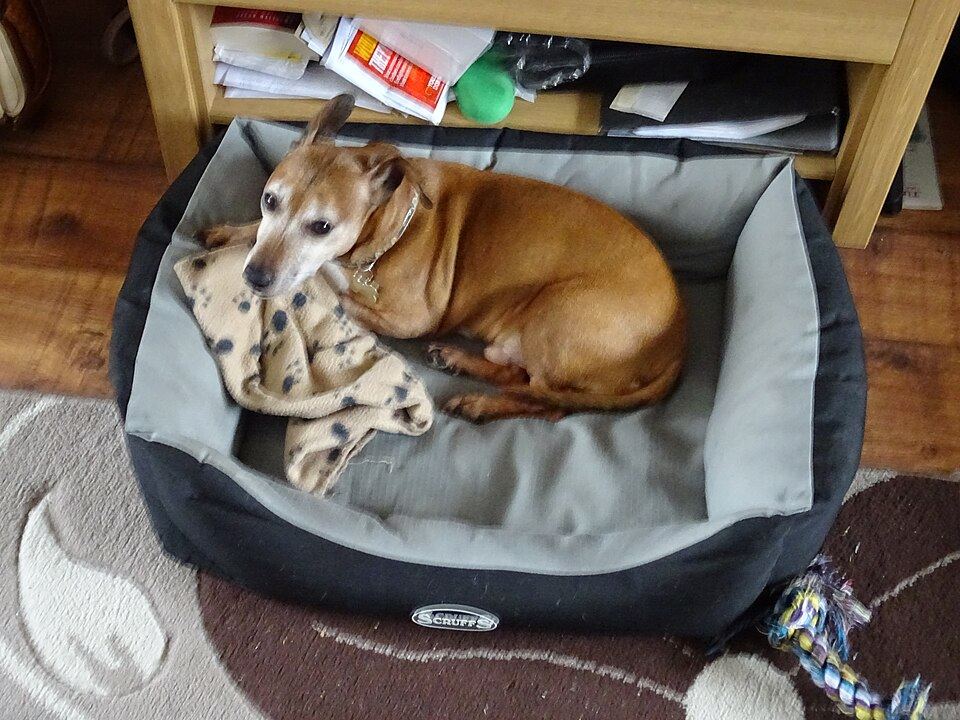
Washability is the whole ball game in a foster house, and it is where cheap beds show their true shape. You want a cover that unzips, a core that survives a machine cycle or two, and a size you can actually fit in a front loader. Sewn-in, non-removable fills turn every accident into a full-bed wash and every full-bed wash into a dried-out lumpy regret. Check the base for grip dots, because a sliding bed on floorboards undoes the security the bed is meant to provide. And size up, not true: dogs who curl still like a rim to fall against, and a bed measured exactly to nose-to-tail becomes too small the first time they stretch in their sleep.
| Bed style | Best suited to | Ignored by | Foster carer's note |
|---|---|---|---|
| Round donut with rim | Small to medium anxious dogs, curlers, short coats | Leggy large breeds | The first-bed default for most fosters |
| Flat orthopaedic mattress | Seniors, big breeds, arthritic hips | Dogs who want a lean-in rim | Step-on access matters more than fill claims |
| Sofa style with arms | Confident leaners, head-pillowers | Stretch-out sprawlers | Arms get flattened; check seam strength |
| Mat or crate pad | Travel, pens, hot sleepers | Dogs wanting security | Fine as a second bed, thin as a first |
The fortnight it takes to earn trust
A never-bedded dog often treats the first bed as furniture it has not been cleared to use. The introduction that works: bed goes in the pen or settle corner from day one, you feed the occasional treat on it, and you never place the dog on it and hold it there. Placement-and-hold reads as a trap to a Shutdown animal. The day a foster chooses the bed over the floor for a nap, I photograph it, partly for the record and partly because those photos are the reason I keep fostering. If that day has not come by the fortnight, check the basics: too small, too slippery underneath, too close to the door traffic, or smelling of the washing powder rather than the household.
Frequently Asked Questions
My rescue dog chews every bed I buy. What now?
Bed chewing in a new dog is usually displacement chewing, the same mouth-need as pen chewing, so fix it with legal chews and a rotation before you blame the bed. For the genuine destroyer, skip plush entirely and try a tough fabric mat while the settling months pass. I have seen chronic bed-chewers grow into donut-bed lovers around the six-month mark once the house stopped being a question mark.
Are the fluffy donut beds hard to wash?
The good ones are easy, which is what you are paying for. Look for a zip-off cover and a fill that tolerates a gentle cycle, then air-dry fully because damp fill smells like a science experiment. In a foster house I run a bed wash fortnightly regardless of appearance, and the beds that have survived two years of that routine are the brands that publish their washing instructions in plain sentences.
Do calming beds work for cats too?
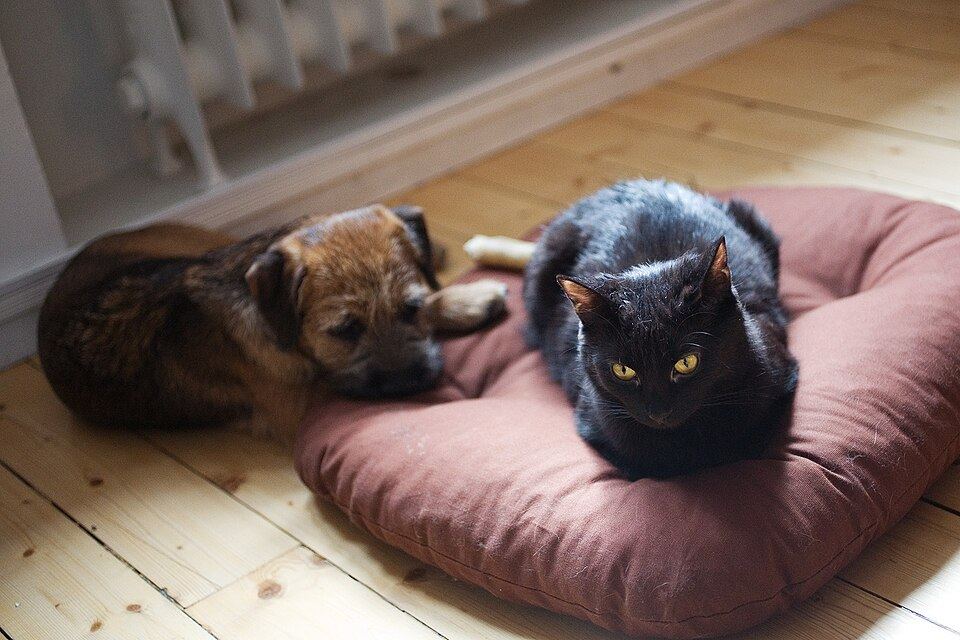
Better than for dogs, in my experience, because the rim mimics both the litter pile and the mother-cat curl. My foster cats fight over the one donut in the house, and the winning feature seems to be the high soft rim to lean the cheek against. Same buying rules apply: removable cover, grip base, and a size the cat can curl into with a wall effect rather than sprawl flat.
Where should the first bed go?
In the settle corner of the pen or the room the animal already prefers, away from door drafts and family traffic, with a wall behind it if the layout allows. One bed, one spot, for at least the fortnight. Owners who scatter three beds around the house in week one get three unused beds, because choice is the opposite of clarity for a new arrival.
Is an expensive bed worth it for a foster that might chew it?
Buy to the animal in front of you, not to the average. A known destroyer gets a cheap tough mat until the record says otherwise. A quiet senior gets the good mattress, because joint support is not a luxury at eight years old. The middle path most carers land on is a mid-price donut with a replaceable cover, which survives most dogs and respects most budgets.
Looking for beds & mats?
We stock the gear covered in this guide, with Australia-wide shipping and Afterpay at checkout.
Shop Beds & Mats at Paws of Oz