The Australian pet bed market by numbers: sizes, spend and ortho shift
Short answer: survey data from the last few years shows Australian households spend a steady, meaningful amount on pet beds each year, with demand skewing toward medium and large sizes and a clear move toward orthopaedic styles for older dogs. Exact national totals are not published cleanly, so the honest view is ranges: most owners replace a bed every year or two and will pay more for support they trust. The market has plainly shifted from basic mats to comfort focused beds, and that shift is the story worth telling, not a fake decimal I could not defend if asked.
How big is the spend, really
Industry estimates suggest Australian pet owners together spend in the hundreds of millions on pet products annually, with beds a steady slice of that. Rather than quote a false precise figure, the safe statement is that bed spend sits in the tens of millions range and has grown as more households treat pets as family and buy better gear. The direction is up, the exact number is not mine to invent, and any analyst who quotes a clean total is guessing.
The size shift
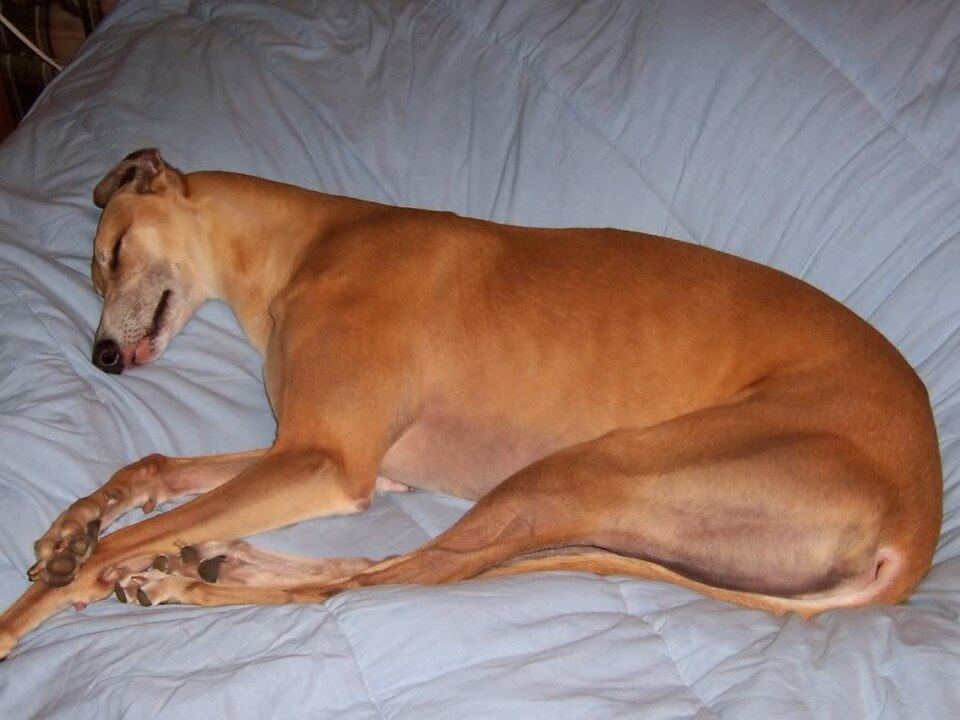
Listings and retailer range data point to medium and large beds outselling tiny ones, reflecting our love of big breeds like labradors and cattle dogs. Small beds still sell for cats and toy dogs, but the volume and the margin sit with the larger sizes, and stores now stock more XXL than they did a decade ago. The dog in the typical Aussie backyard is not a toy breed, and the shelf has followed the backyard.
- Small: cats and toy breeds, steady but modest.
- Medium and large: the volume sellers for Aussie dogs.
- Extra large: growing range, higher spend.
- Stores now stock more XXL sizes than they did a decade ago.

The orthopaedic turn
The clearest trend is the rise of orthopaedic and supportive beds. Where once a foam rectangle was the default, more listings now lead with joint support, higher density foam and raised cots. Survey style data suggests owners of older dogs drive this, and it has pulled average spend up without a big rise in bed count, because the money moved into better beds rather than more beds, which is a telling change in how we shop.
What the numbers do not say
Raw spend hides how many beds sit unused because the dog rejected them. A honest market read notes that returns and ignored beds are common, so units sold overstate units used. The smart takeaway is that fit and washability, not just price, decide whether a bed earns its place in the home, and a bed that sells but sits ignored is a sale that lies about real demand in the market.
Where the market is heading
Expect more cooling beds for our climate, more washable covers as standard, and continued growth in supportive styles. Local makers compete on foam quality while imports compete on price, and the middle band looks like the long term sweet spot for most Australian buyers watching both budget and comfort. The climate and the ageing pet population will keep pulling the range toward beds that actually do a job in a hot country.
| Segment | Demand | Spend signal |
|---|---|---|
| Small beds | Steady | Lower per unit |
| Medium or large | Highest volume | Mid per unit |
| Orthopaedic | Fast growing | Higher per unit |
| Cooling or cot | Climate driven | Mid to high |

Frequently Asked Questions
How much do Australians spend on pet beds?
There is no single clean public total, so I give ranges. Industry estimates put pet product spend in the hundreds of millions annually with beds a steady slice, and the bed portion sits in the tens of millions range. The honest point is steady growth, not a precise dollar figure I cannot back up, and I would rather be vague and right than precise and wrong.
Why are orthopaedic beds growing?
An ageing pet population and owners treating dogs as family drive it. More people with senior dogs want joint support, and better foam at lower prices made it reachable. Retailer listings show support leading the range now, where a plain rectangle once dominated, which is a real shift in what sells and a sign the buyer got smarter about comfort.
Are big beds really the top sellers?
By volume, medium and large beds lead, reflecting our popular bigger breeds and multi dog homes. Small beds sell for cats and little dogs but move fewer units. The extra large end is a smaller slice but grows as makers extend the range, and it carries a higher price per bed, so the shelf space has quietly followed the weight of the nation's dogs.
Do sales numbers mean dogs use the beds?
Not directly. Units sold overstate use because some beds are rejected by the dog or binned early, so returns and idle beds are common. A truthful market read counts fit and washability as the real test, since a bed the dog ignores is not real demand, just a parked purchase that flatters the sales sheet and disappoints the owner.
What should buyers take from the trend?
The shift to supportive, washable beds is good for dogs, so buyers have better options than before. Use it: pick support for an older dog, cooling for summer, and a washable cover as standard. The market now rewards comfort, so you can match the bed to the dog instead of grabbing the cheapest rectangle, and the range is finally on your side.
For buyers, the practical read is to watch the middle band, where support and price meet, and to treat the cheapest bed as a spare rather than the main sleeper. The market has given us better options than a decade ago, so the smart purchase is the bed that fits the dog and the climate, not the one with the loudest listing or the biggest bow on the box.
Looking for beds & mats?
We stock the gear covered in this guide, with Australia-wide shipping and Afterpay at checkout.
Popular in this range: self-cooling pet mat
Shop Beds & Mats at Paws of Oz