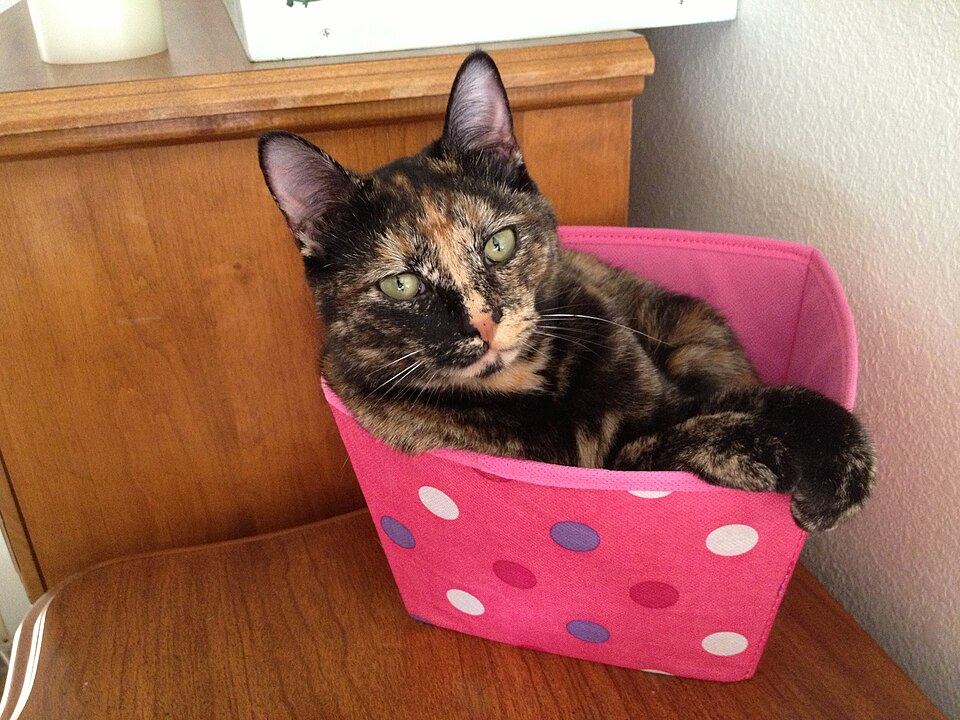
Bringing Home a Rescue Cat: The Week Fig Spent Under the Bed
Short answer: bring a rescue cat home to one room and leave them there, because reaching in to comfort them costs you weeks. Fig came from a shelter in Lonsdale on a Saturday and spent six days under our bed, eating only between two and four in the morning. Everything in me wanted to drag her out, and as a dog person that instinct was exactly wrong for a frightened cat. You should set up the room with food, water and tray at opposite ends, then wait.
Fig came home from a shelter in Lonsdale on a Saturday morning and spent the next six days underneath our bed, coming out only between two and four in the morning to eat and use the tray. I could hear her moving around under there at night. During the day the water bowl went down a little and the food went down a lot, so I knew she was alive, which is about all I knew.
Everything in me wanted to reach under and drag her out. Every instinct I have as a dog person said comfort her, hold her, show her she's safe. All of that is exactly wrong for a frightened cat, and it would have cost us weeks. The single most useful thing I did that entire week was nothing at all.
One room first, and why it feels unkind but isn't
Cats don't need space when they arrive. They need a small space they can fully own. We set up the spare room with her tray at one end, food and water at the other, a cardboard box on its side with a blanket in it, and the wardrobe left open a crack so she had a high place and a dark one. The door stayed shut for nine days.
An entire house is an unbearable amount of territory to assess when you're already terrified. One room is a job a cat can finish. I've watched this work with hundreds of clients, and the families who give their new cat a single room almost always have a confident cat within a fortnight, while the ones who let them roam on day two spend a month looking for them behind the washing machine.
The two things I got wrong
I came in too often. Four times a day felt reasonable to me and was far too much for her, and each visit reset whatever progress she'd made. Two quiet visits, sitting on the floor reading rather than looming over her, would have got us there faster.
The second mistake was worse. On day three I tried to put a calming collar on her, because it was the reason I'd bought it and I wanted it to start working. She was still a cat who hadn't eaten in daylight yet. Handling a terrified cat to fit a collar is not a neutral act — it set us back two days, and I took it straight back off.
- I came in too often, about four times a day.
- Two quiet visits would have got us there faster.
- Sitting on the floor reads calmer than looming over.
- Fitting a collar on day three set us back two days.
Day nine, and the order that matters
The collar went on once three things were true: she was eating in front of me, using the tray reliably, and choosing to come out from under the bed while I was in the room. That was day nine for us. If your cat is still hiding continuously, no product on earth is the answer yet, and putting one on them is just one more strange thing happening to an animal already at capacity.
Fitting took thirty seconds and I did it while she was eating, because I'd spent the previous week building the association that my hands near her bowl meant food arriving. Two fingers of slack under the collar, which on a cat is a genuinely small gap, and I trimmed the excess length with scissors. I checked under it every day for a week for any sign of rubbing.
Cats and essential oils: the part nobody puts on the box
This is the bit I wish every cat owner knew before buying anything in this category. Cats process many plant compounds differently from dogs — they're missing a liver enzyme that most mammals use to clear them. That's why so much of the essential oil advice written for dogs simply doesn't transfer to cats.
So I read labels, and I'd encourage you to do the same. I look for a collar that states it's formulated for cats rather than a one-size dog collar relabelled, I keep the room ventilated, I don't use one on a kitten under about twelve weeks, and I'd never put one on a cat with asthma or a respiratory condition without asking my vet first. If your cat starts drooling, wobbling or hiding more than before, it comes off immediately and you call the vet.

Six weeks on, Fig runs the house and supervises my coffee from the top of the fridge. The six days under the bed weren't a failure, they were her telling me exactly what she needed, and I nearly missed it by trying to help. If you're on day two with a cat under your bed, put the kettle on, sit on the floor, and read a book. — Nadia, Adelaide, being supervised as I type this.
Frequently Asked Questions
How long should I keep a new rescue cat in one room?
Around seven to ten days is typical, until they are eating in front of you, using the litter tray reliably, and choosing to come out while you're in the room. Opening up the rest of the house before then usually just gives them more places to hide.
When should I put a calming collar on a new cat?
Only once they're settled enough to eat and use the tray in your presence. Handling a terrified cat to fit a collar can set the settling process back days. Wait for the behaviour to improve, then add support.
Are calming collars safe for cats?
Choose one formulated specifically for cats. Cats lack a liver enzyme that many animals use to clear plant compounds, so essential oil products designed for dogs are not automatically appropriate. Ensure good ventilation, avoid use on very young kittens, and check with your vet for any cat with asthma.
How tight should a cat calming collar be?
You should be able to slide two fingers between the collar and your cat's neck, which on a cat is a small gap. Trim any excess length so it can't catch, and check underneath daily for the first week for any sign of rubbing or redness.
What should I do if my cat won't eat at all?
A cat that hasn't eaten for twenty-four hours needs a vet appointment. Cats that stop eating entirely can develop serious liver complications quickly, so this is not something to wait out at home.
Size & Fit Reference
| Size | Neck circumference | Collar length | Typical pets |
|---|---|---|---|
| Cat | 18–25 cm | 38 cm | Cats, kittens, toy breeds |
| Small | 25–35 cm | 45 cm | Puppies, Cavoodle, small terriers |
| Medium | 35–48 cm | 62 cm (cut to fit) | Kelpie, Cocker Spaniel, most adult dogs |
| Large | 48–62 cm | 65 cm (cut to fit) | Labrador, Greyhound, large breeds |
Most collars release for around 60 days once the sealed pouch is opened. Replace every eight weeks, or sooner if the scent fades.
Looking for calming & anxiety?
We stock the gear covered in this guide, with Australia-wide shipping and Afterpay at checkout.
Shop Calming at Paws of Oz