After a Crash: The First Steps With a Dog in the Car
Short answer: After a prang with a dog on board, your first job is to make the scene safe and keep the dog contained, not to pull an injured animal out of the car. A cover and a tether turn a chaotic back seat into a space you can manage while you wait for help.
I was teaching a restraint class on the Gold Coast when a student told me about the write-off she walked away from. The part that stuck with her was not the airbags, it was her kelpie loose in the back, sliding across the seats as a tow truck nudged the ute. Since then I open every session with the five minutes after a crash, because the first instinct is to grab the dog and get out, and that makes a sore dog into a lost dog. The steps below are the ones I drill: make the scene safe, keep the dog where it is, call the people who know. None of it needs a vet degree, just a calm head and a plan you practised.
Make the scene safe before you touch the dog
Before you reach for the dog, make sure the car is not about to move, catch fire, or sit in a lane where the next vehicle cannot see it. If the car still runs and you are in a live lane, move it to the shoulder first. Put the handbrake on, switch the hazard lights on, and get everyone in bright colours onto the verge. A dog that bolts from an open door into traffic is a second emergency, so the scene comes first. Only once the car is stable and the road is safe do you turn to the animal. This order keeps a bad afternoon from becoming a fatal one.
Do not haul an injured dog out
The strongest urge after a crash is to lift the dog out and carry it to safety, but an animal with a spinal or pelvic injury can be made much worse by being dragged through a narrow door. Unless the car is on fire or sinking, leave the dog where it is and let it stay still. Speak to it, keep your hands where it can see them, and do not try to splint or straighten anything. That work is for the vet, and guessing at home can do real harm. If the dog is conscious and not trapped, keep it calm and contained until the professionals arrive.
Keep the dog contained in the car
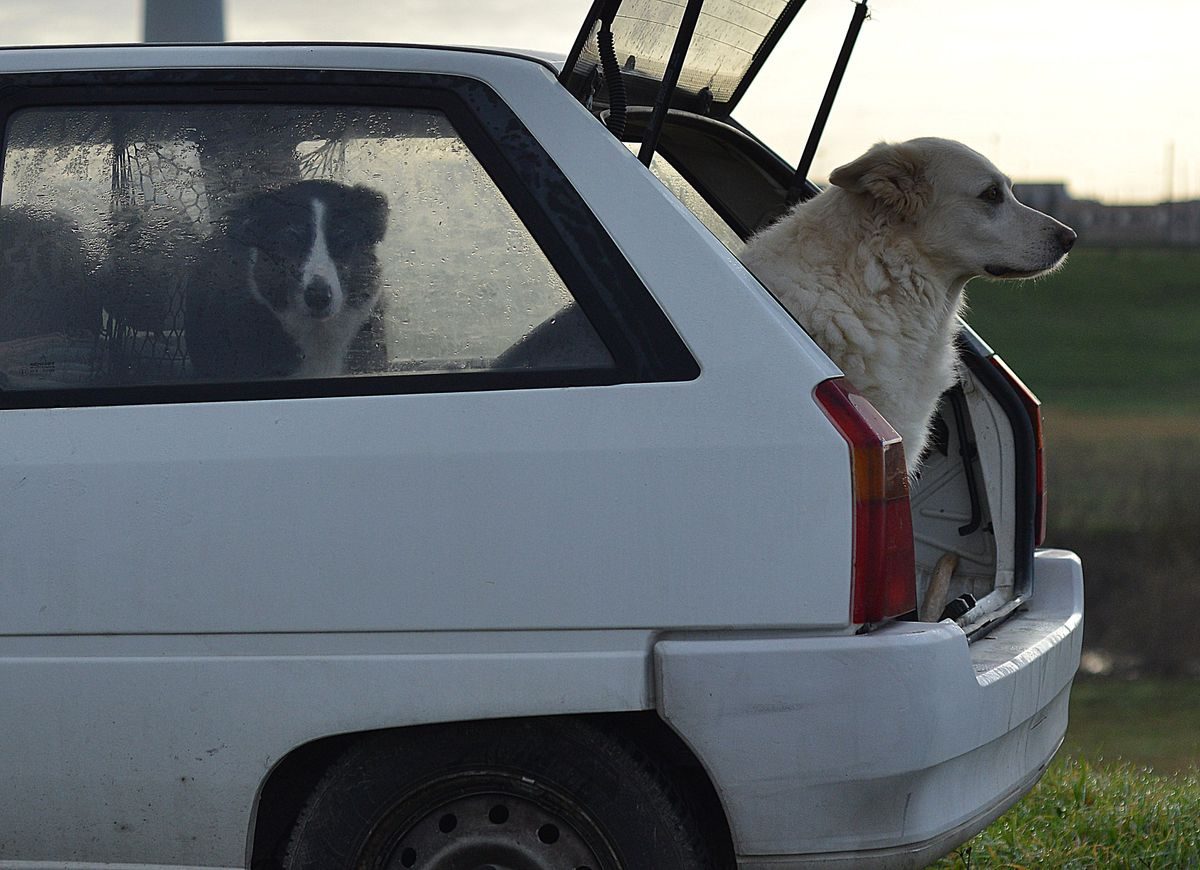
A dog that is frightened after a prang will run the moment a door opens, and a dog in pain may bite the hand that helps. Containment is the quiet skill that prevents both. If the dog is still clipped to its travel tether, leave the clip on and block the doorway with your body. If it is loose, close the door you opened and approach through a window you can control. The aim is to stop a panicked animal from reaching a road, a stranger, or a fight it cannot win. A contained dog is one you can still think around.
Why a cover and tether make the scene manageable
This is the part most owners never practise, and it saves the most trouble. A seat cover that clips in gives the dog a non-slip floor and keeps broken glass or spilled oil off its coat, while a tether anchored to a fixed point stops the dog becoming a projectile. After a crash, that tether lets you keep the dog in the seat while you assess the scene with both hands free. If you are fitting out the car, our dog car cover range covers the styles I recommend for a back seat that sees real use. The gear is only useful if it is installed before the prang, not fished from the boot afterwards.
- Make the scene safe before you reach for the dog.
- Leave an injured dog in the car unless it is on fire.
- Keep the dog contained with its tether or a closed door.
- Call your vet or an after-hours clinic before you move the dog.
- Check the gear is fitted before the trip, not after the prang.
Calling the right help and what to say
Once the scene is safe and the dog is contained, the next call is to a professional, not a neighbour. Phone your vet or the nearest after-hours clinic and tell them what happened, where you are, and whether the dog is conscious. If a person in the car is hurt, call the ambulance first and let them coordinate, because the dog comes after the people. Keep the dog's microchip number and your clinic contact saved in your phone and on paper in the glove box. I do not diagnose over the phone, but I can tell you the details that help the clinic plan.
| Situation in the car | What to do | What to avoid |
|---|---|---|
| Dog conscious, not trapped | Keep it clipped in, speak calmly | Do not lift it out to comfort |
| Dog frightened and shaking | Leave it where it lies, speak softly | Do not try to splint or bandage |
| Dog trapped by a jammed door | Wait and let firefighters free it | Do not force the door or pull |
| Another vehicle hit you | Swap details once the dog is safe | Do not let the other dog near |
| You are unhurt, dog is calm | Wait with hazards on, doors shut | Do not walk the dog near road |
Practise the steps before you need them
The five minutes after a crash are not the time to learn the drill, so run it at home on a quiet Sunday. Clip the dog into its tether, walk through making the scene safe, and rehearse keeping the door shut while you phone a fake clinic. Dogs learn the routine too, and a dog that knows the travel clip and the stay command is easier to manage when the real thing happens. Keep a small road kit in the boot with a torch, a spare lead, and a contact card, and check it every few months like the spare tyre. The owners who cope best after a prang are the ones who practised the boring version first.
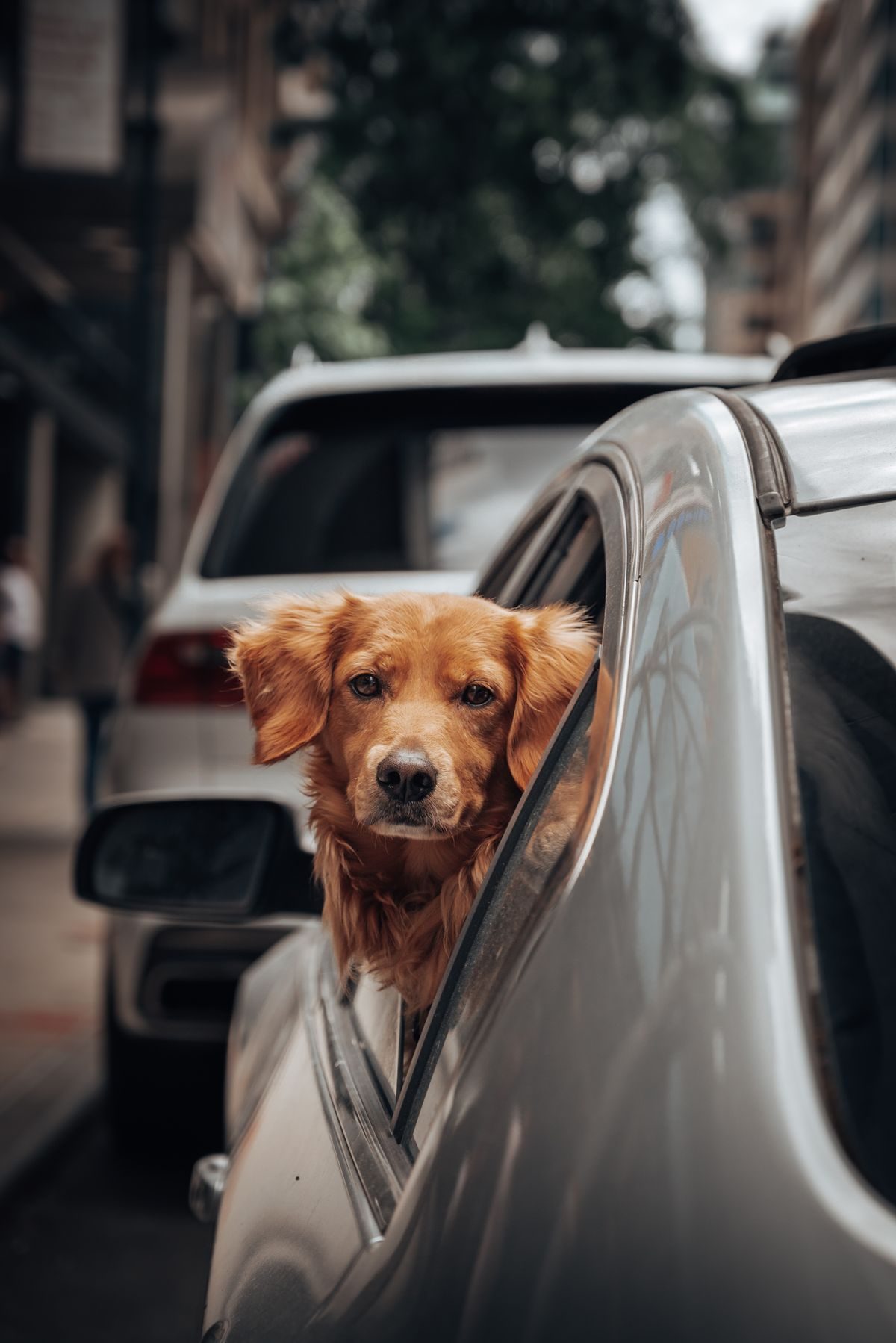
Frequently Asked Questions
Is it safe to drive the dog to the vet after a crash?
Only if the dog is contained and the car is safe to drive, and only after you have spoken to the clinic. If the dog is hurt, a sudden stop can make an injury worse, so ask the vet whether to travel or wait. I do not decide that over the phone. Contain first, call first, then move only when a professional says it is safe.
What if my dog bites me when I try to help?
A frightened dog may snap at the hand that helps. Before you reach in, pause and let it see your hands, then move slowly from the side. If the dog is clipped to a tether, do not unclip it, as a free dog in the car is harder to keep safe. If a bite happens, wash it, ask your doctor, and phone the vet.
Should I move the dog to the shade if the car is hot?
Heat is risky, but moving a hurt dog into the sun trades one danger for another. If the car is safe with the windows down and the dog is contained, open a door for airflow and stay with it. If the dog is trapped, shade it with a towel from inside. Then phone your vet for advice.
What should I tell the vet on the phone?
Give the clinic four things: where the crash happened, how the dog was restrained, what you see now, and whether it is conscious. Keep it short, the clinic needs facts not a story. Say if the dog was clipped in or loose. I do not interpret the signs, that is the vet's call.
My dog seems fine, can I just drive home?
If the dog is walking and the car is safe, you may be right, but some injuries show up later. Keep the dog contained on the drive and watch it, because a sore dog may go quiet rather than limp. I do not clear a dog to travel, that is the vet's job. Phone the vet first, then travel with the dog clipped in.
Looking for dog car seat covers?
We stock the gear covered in this guide, with Australia-wide shipping and Afterpay at checkout.
Popular picks from this guide: waterproof hammock seat cover · boot liner / cargo liner
Shop Car Seat Covers at Paws of Oz