The Pre-Storm Checklist I Hand Out in My Gold Coast Classes
Every storm season the same pattern repeats on the Gold Coast. The first big cell arrives in November, the phone in my classes fills up with stories of destroyed flyscreens, and by December half the room has bought something from the calming aisle and half of those are disappointed. Almost none of them had a plan. This is the checklist I hand out, and it is deliberately boring: most of it happens hours or weeks before the radar turns red, because by the time you can hear thunder, every decision you make is a panic decision, and pets read panic fluently.
Why storm prep starts weeks before the first storm
Dogs and cats settle into patterns, and patterns take time to build. A safe spot introduced on a calm Tuesday is furniture by the time November lands; the same safe spot introduced during the first storm is a trap, because the animal associates it with the worst afternoon of its year. The same logic applies to products and handling. If you want a wrap, a collar or a mat to be part of your storm routine, the introduction happens in fine weather, at low stakes, with chicken. This is not training snobbery. It is the single highest-leverage thing on the checklist, and it is free.
Weeks before: the setup list
Pick the room. Interior, fewest windows, best acoustics for white noise, and the room your pet already gravitates to when unsure. Put a mat or bed in it and feed occasional meals there so it stops being a novelty. Set up a fan or a radio for sound cover, and check what the room is like with the lights off, because storms knock power out and a dark, unfamiliar room reads as a different room. If your pet wears a collar with tags, check the details now, because November is also the month fences fail. And photograph your pet properly: a clear standing photo on your phone has reunited more lost animals than any gadget I have seen.
The day-of timeline
The checklist below is the one that goes on fridges in my classes. It assumes a forecast you already know about, which on the Gold Coast is nearly always the case. The whole point of a timeline is that it moves decisions earlier, when everyone is calm, and it gives nervous owners something to do with their hands, which pets notice and relax around.
| When | What you do | Why it matters |
|---|---|---|
| Morning of | Long walk, toilet run, feed early if the forecast is afternoon | A tired, empty-ish dog settles faster and is less likely to need a toilet break at the storm's peak |
| Two hours out | Settle room ready: mat, water, worn laundry, chew; close curtains | Cues in place before the sky changes, so nothing new is introduced under pressure |
| One hour out | Spray bedding if you use sprays; fan or radio on; pets inside, doors shut | Scent and sound cover working before the first thunder, not after |
| During | Ordinary voice, ordinary routine; chew available; no fussing | Neutrality reads as safety; fussing reads as confirmation that something is wrong |
| After | Quiet praise, note the recovery time in your log | Recovery time is the number that tells you whether the plan is working |
The red flags that say vet first, storm plan second
A checklist is only safe if it has an exit, and mine has three. If the anxiety is new this season, book the vet before the season, because new fear in an older animal is often pain or illness wearing a fear costume. If your pet injures itself trying to escape, that is a veterinary conversation, not a training one, because the panic level involved is medical. And if you have a pet on any long-term medication, run the whole plan past your vet once, including any over-the-counter calming products, so the storm season never becomes a chemistry experiment.
Storm season and the car
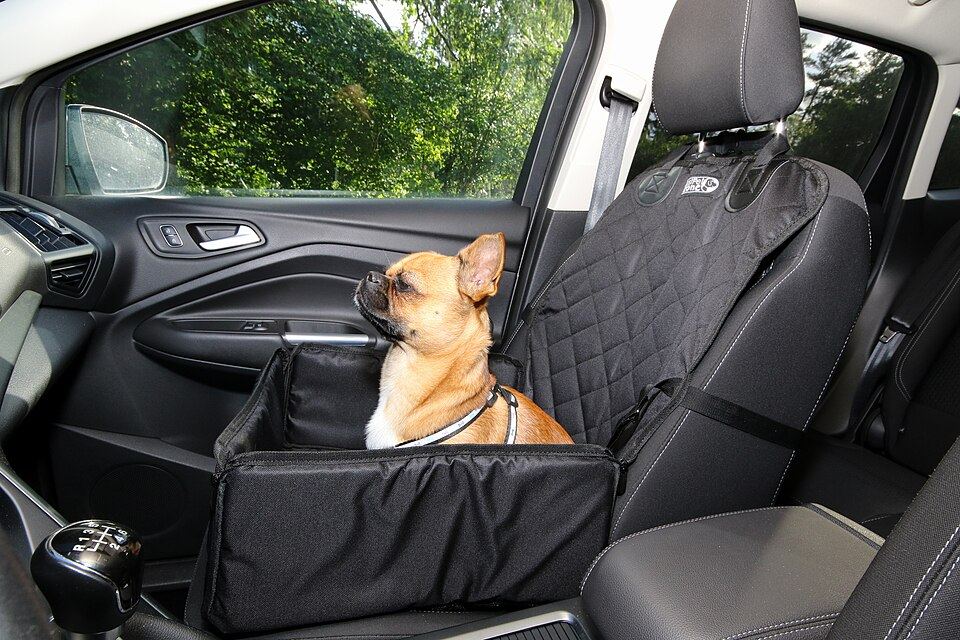
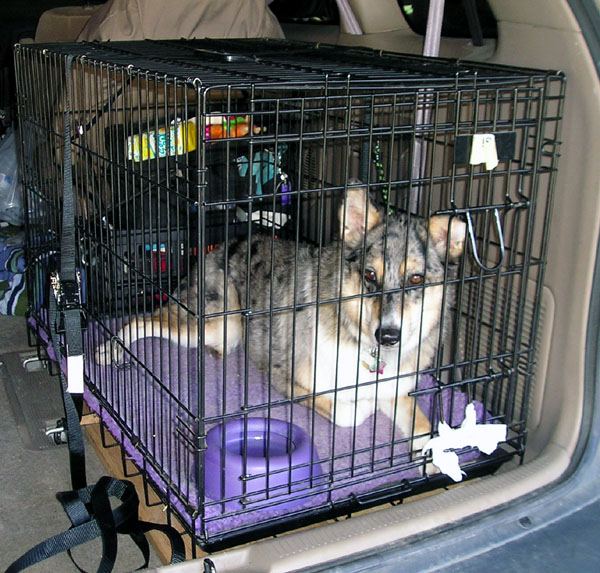
Queensland storms love the afternoon school run, so the car deserves its own line on the checklist. Never drive with an unrestrained anxious dog, because a frightened animal in a cabin is a projectile and a distraction at exactly the moment you least need either. Fit your covers and restraints in fine weather, and get the escape artist used to the harness in the driveway first. If your dog is likely to panic in a parked car while you duck into the shops, change the plan rather than the dog: storm season is the wrong season for errands that leave a nervous animal waiting.
What stays in my own kit
People ask what I use, and it is deliberately dull. A mat that lives in the settle room. A towel per animal, correctly sized for a proper wrap. Long-lasting chews in the freezer. A written plan on the fridge with the recovery-time log next to it. One pheromone diffuser in the settle room, replaced on schedule. And the vet's number on the fridge too, because the checklist ends there on purpose: the plan is for ordinary storms, and the vet is for everything the plan was never meant to handle.
Frequently Asked Questions
My dog panics the moment rain starts, before thunder. Does the timeline still work?
Yes, but move it earlier. Rain-on-the-roof is itself a trigger for plenty of dogs, so treat the forecast as your starting gun and have the settle room running from the morning onwards. The timeline is a floor, not a ceiling; nothing on it gets worse if you start four hours early.
Should I comfort my dog during the storm?
Comfort is fine; fuss is not. Sitting with your dog, calm voice, slow patting, all fine and even helpful. What I ask owners to avoid is the high-pitched it's okay baby loop, because it lands as excitement or alarm depending on the dog. Match the energy you want them to copy, which on storm night is bored.
Is it safe to leave an anxious dog home alone during a forecast storm?
If you can rearrange the day, do. Escape attempts happen in the first minutes of a storm, and an animal alone with a flyscreen and a full panic tank can do real damage to itself. If it cannot be avoided, the settle room with the windows secured, water available and nothing loose to chew is the least risky version of alone.
Do I need a thunder jacket as well as the rest of the plan?
Some dogs settle noticeably under gentle body pressure and some could not care less, and you will not know which yours is until you trial it in calm weather. If you do use one, fit it with two fingers of room anywhere, take it off in the heat, and never leave it on a wet dog. It is one line on the checklist, not the checklist.
When do we give up on the plan and get medication?
That is a vet question, and a good one to ask early rather than after a ruined season. The signals I teach people to take seriously are self-injury, destruction of barriers, and no change at all in recovery times across a full season of consistent work. Veterinary medicine for noise panic has come a long way, and using it alongside your plan is a sensible decision, not a defeat.
Looking for calming & anxiety?
We stock the gear covered in this guide, with Australia-wide shipping and Afterpay at checkout.
Shop Calming at Paws of Oz