
Sleeping positions and stiff joints: what the bed tells you
Short answer: a dog's sleeping position and the bed they pick can offer gentle clues about stiff joints, but they are not proof of a problem. A dog that suddenly avoids the soft bed for the hard floor, struggles to settle, or stretches flat to relieve pressure may be uncomfortable. These are reasons to watch and possibly book a vet visit, not a diagnosis, and a supportive bed is comfort care rather than treatment. As a nurse I note the pattern over weeks, because one odd nap means little, but a steady change in where and how they sleep is worth a closer look.
Positions that are usually normal
Most dogs curl, sprawl or lie on their side, and all of those are healthy choices. A deep side sleep with limp legs often means a relaxed, comfortable dog. The curled ball conserves warmth. None of these alone suggest pain, so look at change over time more than the pose itself, because a dog that has always sprawled is not suddenly in trouble for sprawling today.
When the bed choice shifts
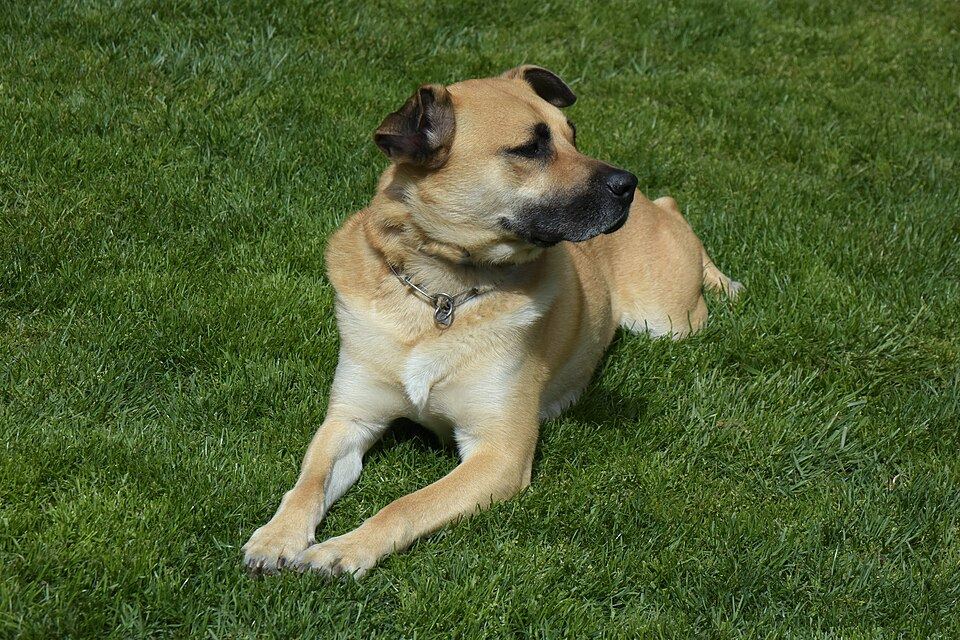
A dog that loved a soft bed and now lies on the tiles, or one that paces before flopping, may be telling you the bed no longer suits them. Sudden swaps in sleeping spot, especially toward hard cool floors, are worth noting. It could be temperature, but it could also be that the foam has gone flat and offers no support, so check the bed before you assume the dog is fine.
- Avoiding the usual bed: check the foam and the dog.
- Pacing before lying down: harder to get comfortable.
- Flat stretch on cool floor: may ease a warm, sore body.
- Sudden swaps in sleeping spot are worth a closer look.

Stiffness you can see on waking
Many older dogs are slow to rise and loosen up after rest, and that is a common sign owners mention to us at the clinic. A bed that is too low or too soft makes standing up harder, because the dog has to push off a squishy surface. A firmer, slightly raised edge can give them something to brace against, and that small change can take real effort out of getting up in the morning.
The nurse's boundaries
I am a vet nurse, so I observe and support, I do not diagnose. If you see limping, yelping, appetite changes or a clear struggle to stand, that is a vet appointment, not a bedding fix. A good bed supports rest; it does not stand in for medical care, and your vet should lead on anything painful, because the bed cannot explain what is wrong inside the joint.
Using the clues to choose better
If your dog favours the floor, try a cooler raised cot in summer or a firmer orthopaedic bed year round. Watch for a week and see whether they settle faster. Small changes in where and how they sleep are useful feedback, and a bed that matches the clue can improve their rest without claiming to treat anything. The bed is a clue reader, not a cure, and that is the honest line I draw with every owner who asks.
If you are unsure where your dog sits, keep a short note for a fortnight of where they sleep and how they rise, because a written pattern is easier to read than a memory of one bad night. That record also helps your vet if you do book in, since they see the trend rather than a single snapshot of a restless evening.
| Clue | Possible meaning | Bed response |
|---|---|---|
| Avoids soft bed | Foam flat or too warm | Firmer or cooler option |
| Slow to rise | Stiff after rest | Raised edge to brace |
| Stretches on tiles | Seeking cool relief | Raised cot in summer |
| Paces before lying | Hard to settle | Quiet, familiar spot |
Frequently Asked Questions
Can sleeping position prove my dog has joint pain?
No, it cannot prove anything on its own. Position is a clue at best, and many healthy dogs sprawl or change spots with the weather. Track changes over weeks, pair them with how your dog moves when awake, and let your vet confirm any concern rather than guessing from the nap pose, because the pose alone tells you far too little to be sure.
My dog sleeps on the floor, should I worry?
Not always. Tiles are cool and many dogs love them in summer, which is normal. Worry more if the switch is sudden, lasts through winter, or comes with slow rising and reluctance to move. Then note it and consider a vet check, because the floor may be easier on sore joints than a flat bed that has lost its loft.
Will a better bed fix stiff joints?
A better bed can make rest more comfortable and may ease the effort of lying down and standing up, but it does not treat the cause. Think of it as support alongside your vet's plan. If stiffness is new or worsening, the bed is not the place to stop, book the appointment, because comfort bedding should sit beside care, not stand in for it.
Why does my old dog pace before lying down?
Pacing can mean they are hunting for a comfortable spot because the current one no longer supports them, or they are warm or restless. Check the bed foam first, then their comfort overall. If pacing pairs with heavy sighs, whining or trouble settling nightly, mention it to your vet, because that pattern is more than a bad night's sleep.
Is a raised edge helpful or just decorative?
For many dogs it is genuinely useful. A bolster gives a head rest and, more importantly, something to push against when standing, which helps an older dog get up. If your dog leans on walls to rise, a bed with a firm edge may spare them that search for support, and that small aid is worth more than the look of a flat mattress.
Looking for beds & mats?
We stock the gear covered in this guide, with Australia-wide shipping and Afterpay at checkout.
Popular in this range: self-cooling pet mat
Shop Beds & Mats at Paws of Oz