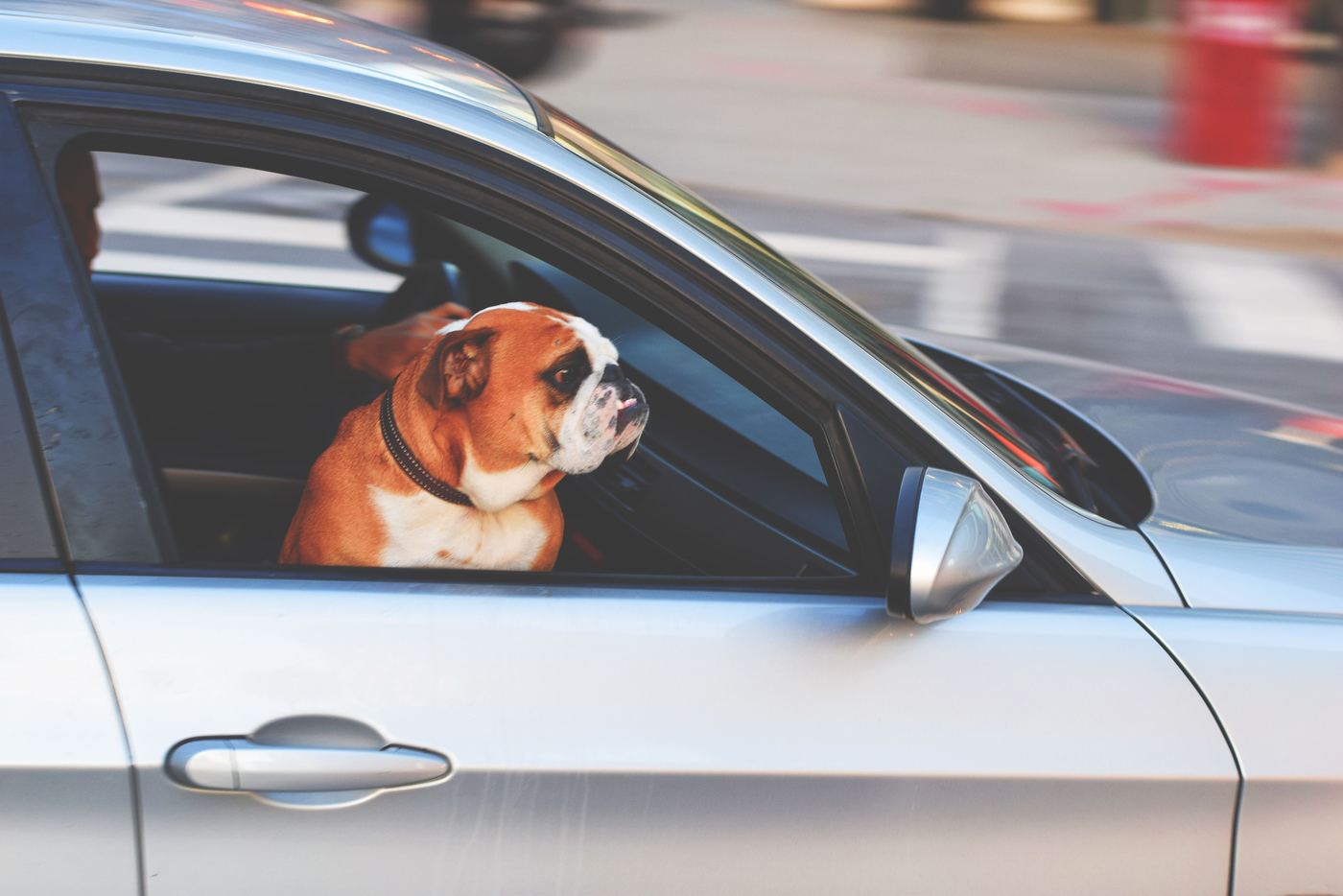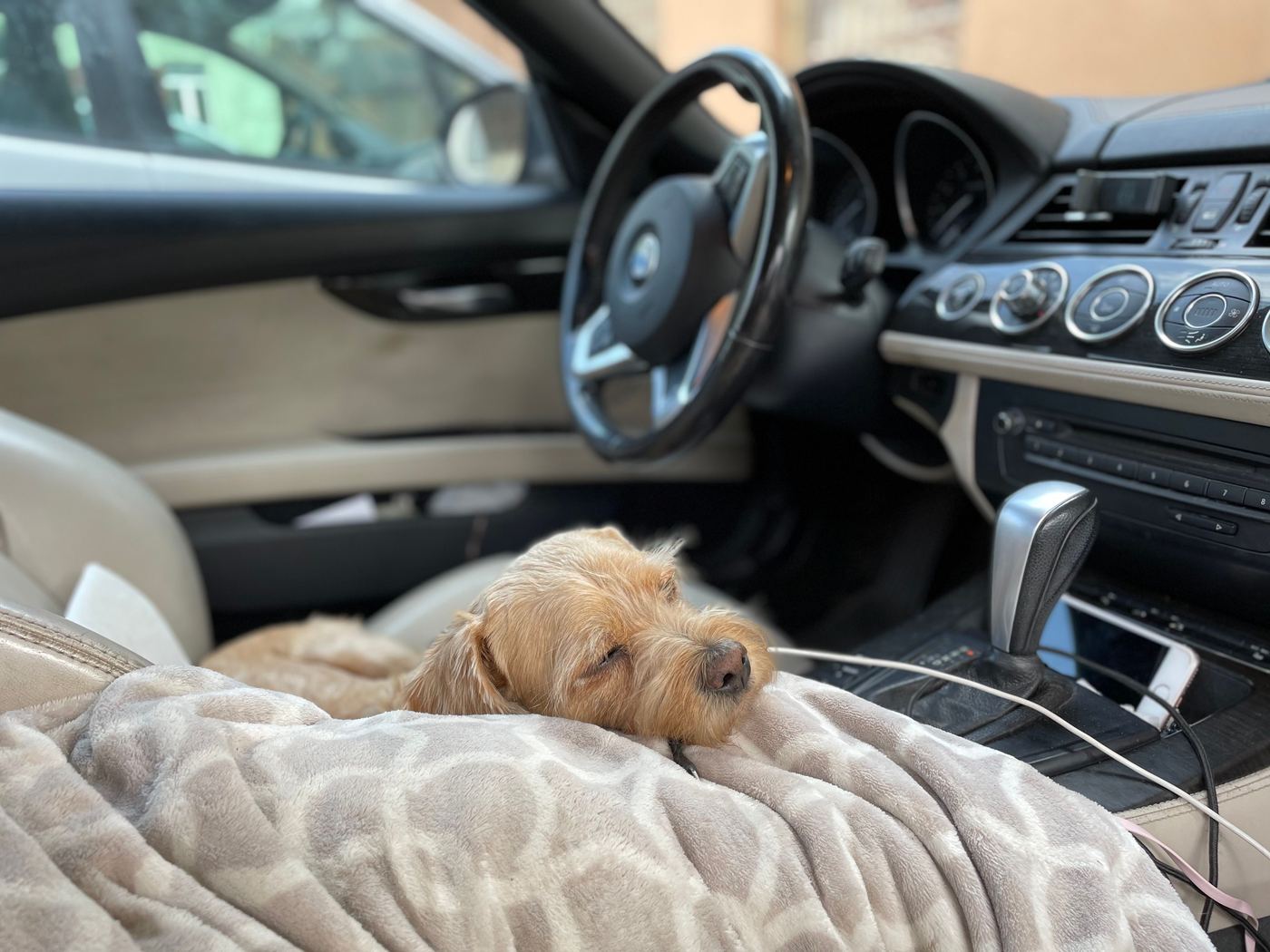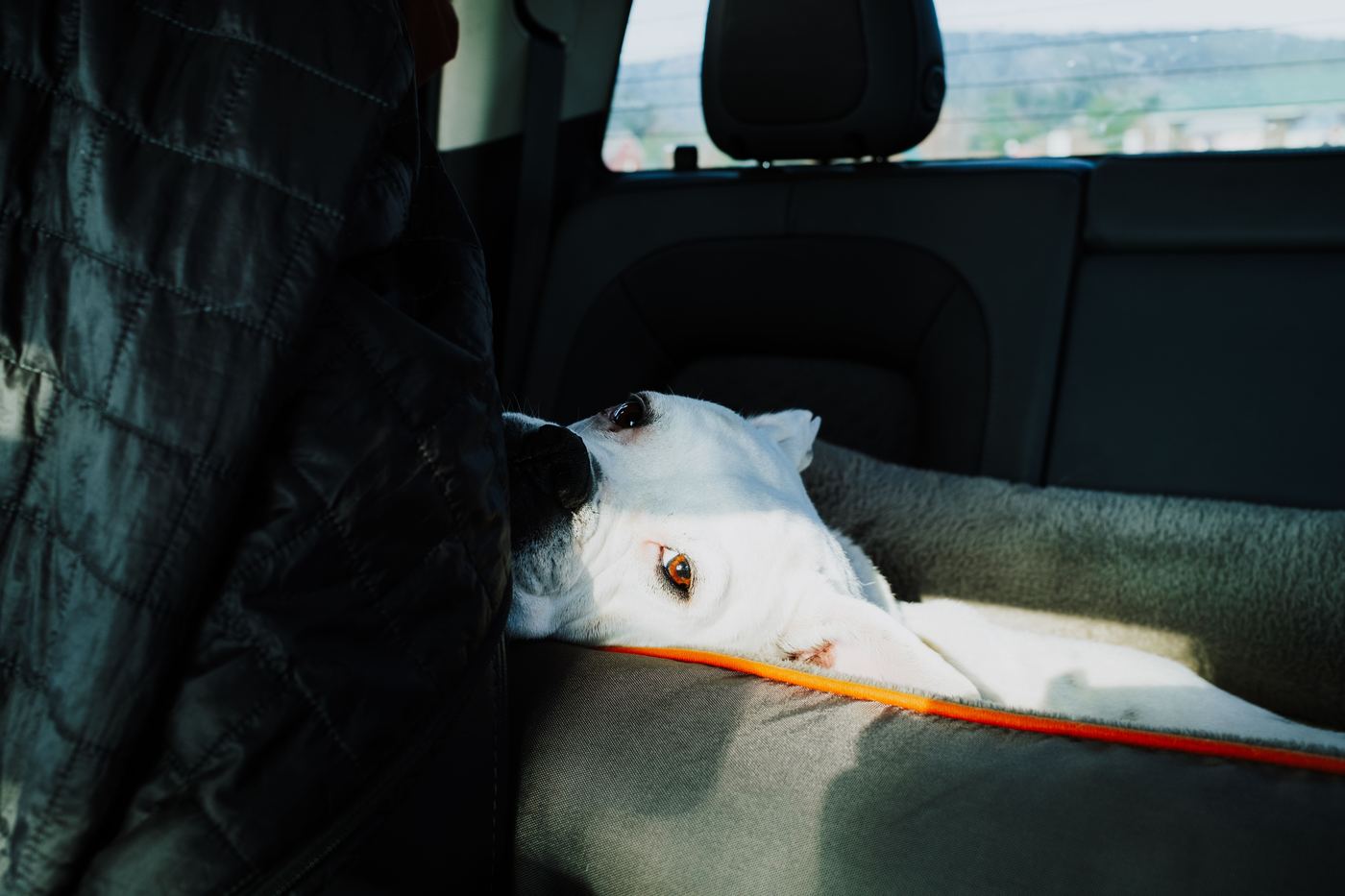
Calmer Back-Seat Rides: Side Flaps, Mesh and Comfort for Nervous Dogs
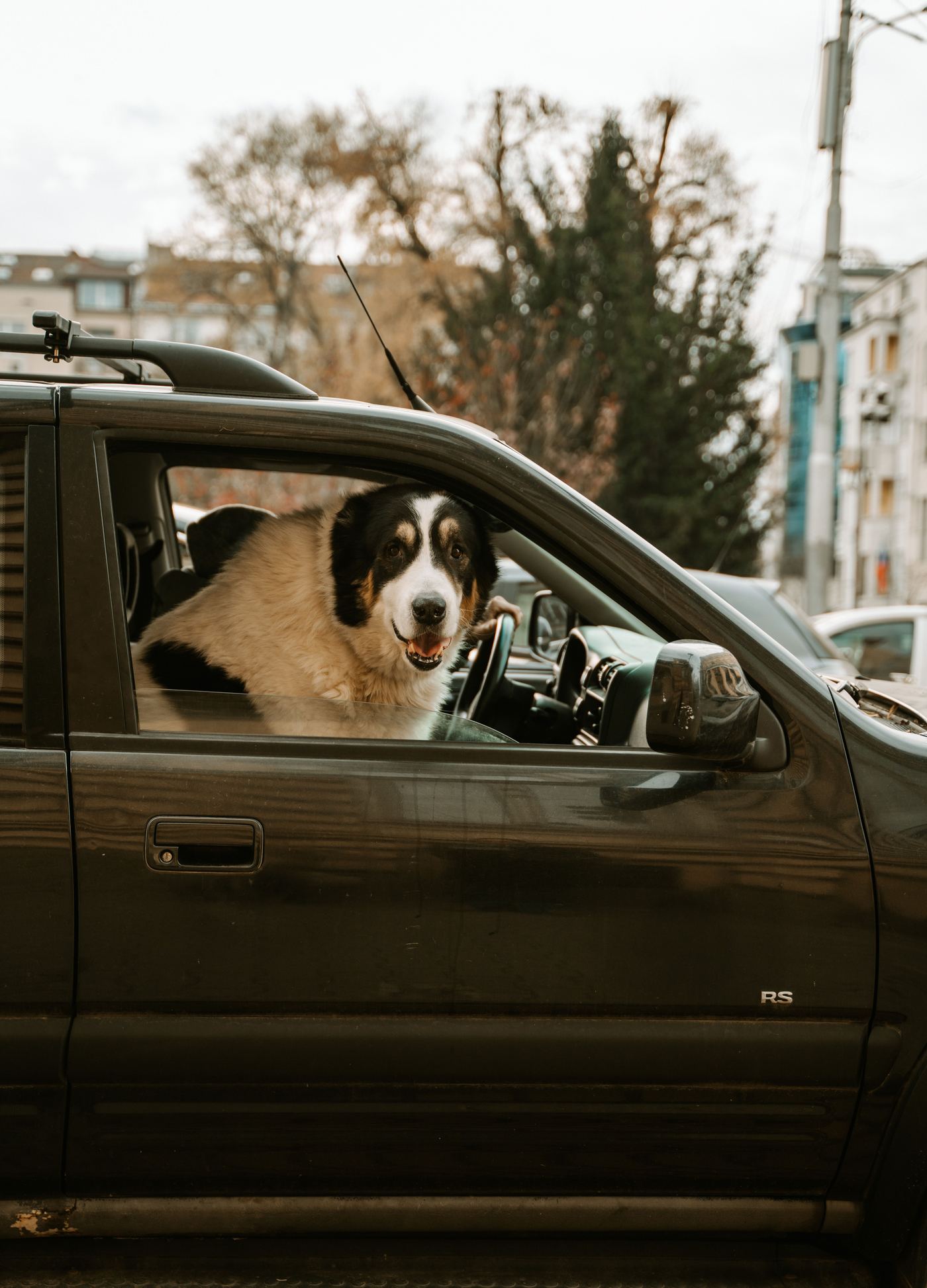
Short answer: a nervous dog settles in the back seat when you remove the surprises. Side flaps close the gaps beside the seat, a mesh window stops the feeling of being boxed in, and a cover that does not slide gives the dog something to brace against.
Some dogs leap into the ute like it is the best thing going. Others, you would swear you were asking them to swim with sharks. Banjo was somewhere in the middle as a pup, and over the years I worked out that the ride itself, not just the destination, was the part that needed fixing. The seat cover was not only about keeping the cab clean. The right one made him calmer, and a calmer dog is a safer dog to travel with.
This is not vet advice, and I will say it now: if a dog is truly frightened, see a professional. What follows is the gear I have seen settle a nervous traveller, drawn from Banjo and a few rescues I have helped sort out. None of it is complicated. It is just comfort, done properly.
Why the back seat spooks some dogs
A rear bench is a strange place for a dog. It is high, it slides, it has gaps either side where the seat meets the door, and when you corner the dog feels itself tipping with nothing to brace against. A nervous dog reads all of that as danger. The fix is to remove the surprises: close the gaps, stop the sliding, and let the dog see where it is going.
A dog car hammock with side flaps does the first two jobs in one go. The hammock hangs between the front and back seats so the dog cannot fall into the footwell, and the side flaps drape over the door sills so there is no cold gap to slip through. Banjo stopped pacing the day I fitted one, because the world under him finally felt solid.
The mesh window, again
I wrote about the mesh window in another post, but it belongs here too. A dog car cover for anxious dogs is half the story without it. The window sits in the hammock panel and lets the dog watch the cabin and the road. A dog that can see where it is going is a dog that trusts the trip. I would not run a nervous dog without one.
Make sure it is real mesh, not clear plastic. Plastic fogs and holds heat, and a hot, blind dog is a worse dog, not a better one.
Pockets, and why they matter more than they sound
You might wonder what a pocket has to do with anxiety. A dog seat cover with storage pockets gives the dog a sense of a place. I keep his lead, a couple of treats, and his favourite tennis ball in the pockets, so the cover is not just a sheet, it is his spot. On a long run to town he knows the ball is there, and that small bit of order seems to settle him.
Practically, the pockets also keep the gear off the floor. A lead rolling under the pedal is its own problem, and the pockets end that. Banjo reckons the ball is the point. I reckon the tidy cab is the point. We are both right.
Features that actually reduce anxiety
I get asked which features are worth the money, so here is the table I wish someone had given me. It rates the common comfort features by how much they settle a nervous dog, based on what I have seen on the property and at the servo.
| Feature | Calming effect | Why it works | Worth it? |
|---|---|---|---|
| Mesh window | High | Dog sees the road and reads the trip as safe. | Yes, first thing to fit. |
| Side flaps | High | Closes gaps, stops sliding into the door. | Yes, essential for nervous dogs. |
| Non-slip backing | Medium-high | Stops the dog sliding on corners. | Yes, cheap to include. |
| Storage pockets | Medium | Gives the dog a familiar spot and keeps gear tidy. | Yes, handy and low cost. |
| Familiar blanket | Medium-high | Smell of home lowers stress. | Yes, free if you use your own. |
| Hard-bottom extender | Medium | Wider, firmer base feels safer than a sag. | For big or restless dogs. |
You will notice the mesh window and the side flaps sit at the top, and that matches my experience. The pockets and the blanket are smaller wins, but they add up. A dog that feels contained, visible, and at home is a dog that stops shaking.
- A mesh window lets the dog see the road and feel safe.
- Side flaps close the gaps and stop door-side sliding.
- A non-slip backing stops the dog sliding on corners.
- Storage pockets give the dog a familiar spot to settle.
- A familiar blanket from home lowers the dog's stress.
Building the ride around the dog
Gear is the start, not the finish. I still do the slow trips for any new or skittish dog: down the drive, to the gate, then the servo for a pat and a biscuit. Each trip ends somewhere good. The cover makes the cabin a safe space, and the trips teach the dog that safe space moves and comes back fine.
For Banjo, the order was mesh window first, then side flaps, then the pockets with his gear. By the time the pockets went on he was already settled, but they gave him a routine: in, ball in the pocket, window open, off we go. Dogs like a routine more than most people admit.
Sizing and fit
Measure before you buy, same as always. A standard rear bench takes about 147 by 137 centimetres. A wider wagon or SUV with the flaps down wants closer to 180 by 103 centimetres. The hard-bottom extenders I see listed at 51.2 by 60.5 inches, roughly 130 by 154 centimetres, and they cover the footwell as well, which nervous dogs seem to like.
Weight ratings run from around 350 pounds on soft hammocks to 430 pounds on the hard-bottom styles. A calm small dog is fine at the low end. A big, restless traveller should have the higher rating so the seams hold when he turns.
When to call a professional
I will end where I started. Comfort gear meets a dog halfway, but it is not treatment. If a dog is drooling heavily, injuring itself, or getting worse despite a calm setup, that is a vet or behaviourist job. I am a station hand, not a trainer, and the honest call is to know the limit of what a bit of canvas and mesh can do.
Banjo reckons the back seat is his office now, and on a good day he rides with his head out the mesh, watching the paddocks go by. The flaps keep him in, the pockets keep his ball, and the window keeps him calm. That is the whole trick, and it is a fair bit easier than people make it out to be.
Frequently Asked Questions
Frequently asked questions
What is the best feature for a nervous dog?
A mesh window, hands down. It lets the dog see the road and stops the cabin feeling like a closed box. Side flaps come a close second by closing the gaps.
Do side flaps really help with anxiety?
They do. The flaps cover the door gaps so the dog cannot slip or feel the draught, which removes a lot of the sliding and tipping that spooks them.
Are storage pockets just for convenience?
Mostly, but they also give the dog a familiar spot and keep his gear in reach. A tidy, ordered space seems to settle a skittish traveller.
Is a hammock better than a flat cover for anxious dogs?
Usually yes. The hammock stops the dog dropping into the footwell and, with side flaps, wraps them in. A flat cover leaves the gaps open.
Should I still see a vet for a frightened dog?
If the fear is severe, or the dog is hurting itself, yes. Gear is comfort, not treatment. I am not a vet, just a dog owner with years of field experience.
What size fits a standard rear seat?
About 147 by 137 centimetres for a bench; closer to 180 by 103 centimetres for a wider SUV with flaps down. Measure the seat first.
Looking for dog car seat covers?
We stock the gear covered in this guide, with Australia-wide shipping and Afterpay at checkout.
Popular picks from this guide: boot liner / cargo liner · waterproof seat cover
Shop Car Seat Covers at Paws of Oz