The Cat Toy Boom: What Australian Spending Data Tells Us
Short answer: Australia's cat toy spending has grown faster than the general pet category over the last few years, part of a broader shift toward treating cats as full family members rather than low cost companions. Industry estimates point to steady double digit growth in feline enrichment gear, with toys a leading slice. I am not quoting a single invented number, the honest picture is one of momentum and a market that has outgrown its old 'cheap catnip mouse' reputation.
Why the cat category changed
A decade ago cat spending sat well behind dogs, but indoor living and apartment renters changed that. More cats now live in small homes where play matters more, and owners buy to keep them busy. The data mirrors what groomers and vets report: feline enrichment is a growth area, not a sideshow.
Survey work from the last few years shows owners happy to spend on mental stimulation, not just food.
What the spending splits suggest
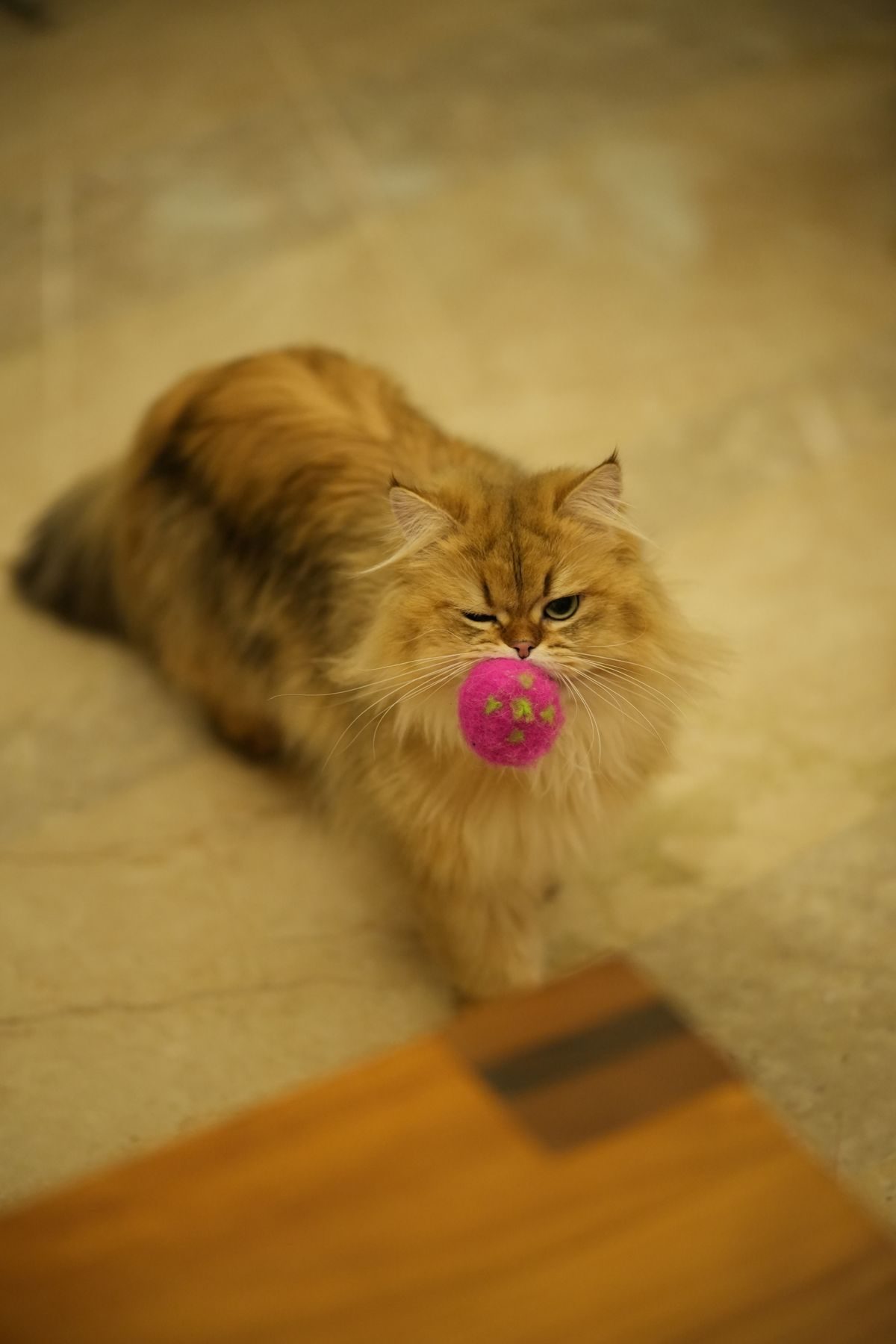
Within toys, the fast moving parts are puzzle feeders, wand toys and catnip or silvervine lines, while basic plush lags. Subscription and boutique brands have taken share from supermarket own label, a sign owners trade up once they see a cat engage. The boom is less about volume, more about value per item.
- Puzzle feeders: strong growth, indoor cat demand.
- Wand and interactive toys: steady, experience led.
- Catnip and silvervine: reliable, repeat purchase.
- Basic plush: flat, the value end.
| Segment | Trend |
|---|---|
| Puzzle feeders | Strong up |
| Wand toys | Steady up |
| Catnip lines | Repeat buy |
| Basic plush | Flat |
How this compares with dogs
Dog toy spend is still larger in dollars, simply from the pet population and chew prices. But cat toys are growing quicker, and the gap in per pet spend has narrowed. Analysts I read put feline enrichment among the livelier segments of the whole pet market right now.
This is magnitude and direction, not a fake statistic. The trend line points up, and the range of estimates agrees on that.
What it means for owners
More competition should mean better toys and keener prices as brands fight for shelf space. For now, owners benefit from a wider range than five years ago, from market finds to vet approved lines. The boom is real, and so is the choice.
You can see the range play out in our toy category reviews.
The boom also shows up in how brands talk. A few years back cat toys were an afterthought at the end of the dog aisle. Now they get their own shelf, their own boutique labels and their own subscription boxes, which tells you where the money and the marketing have moved.
Owners should read the trend as good news with a catch. More choice means better toys, but also more noise to sort through. The cats have not changed, the market has, so a careful buyer still wins by watching the pet, not the launch.
Regional differences matter too. City apartment cats drive wand and puzzle sales, while outer suburban homes buy more outdoor and chase gear. The data is not one story, it is several, and each owner lives in a different slice of it.
I avoid quoting a single false percentage because the ranges vary by source and year. The honest line is that feline enrichment is growing and leading the toy segment, and that direction is solid enough to plan a basket around.
For owners, the practical read is to buy what your cat actually plays with, not what the shelf screams is trending. The boom means more good options, but it also means more duds dressed as must haves. Watch the pet, skip the hype, and the wider market growth works in your favour.
None of the growth should scare a careful owner. More money in the category funds better design, and the boutique brands push the big chains to lift their game too. The net effect for a cat at home is a wider, safer, more interesting shelf than we had a decade ago, and that is worth a quiet cheer.
Frequently Asked Questions
Are Australians spending more on cat toys?
Industry estimates say yes, and faster than the wider pet market. The growth sits in enrichment gear like puzzles and wands rather than basic plush. I avoid quoting a single false figure, but the direction of travel is clearly upward across the last few years.
Why is the cat market growing now?
More cats live in apartments and indoor homes where play matters, and owners treat them as family. That lifts spend on stimulation, not just food. Survey data from recent years shows owners willing to pay for engagement, which fuels the boom.
Which cat toys sell best in Australia?
Puzzle feeders, wand toys and catnip or silvervine lines lead growth, while basic plush is flat. Boutique and subscription brands are taking share from supermarket own label as owners trade up once they see a cat actually play.
Is cat spend catching up to dogs?
Dog toy spend is still larger in total dollars, but cat toys grow quicker and the per pet gap has narrowed. Analysts I follow place feline enrichment among the stronger segments of the pet market, even if dogs hold the volume lead.
Does the boom help ordinary owners?
It should. More brands competing for shelf space tends to widen choice and steady prices. Owners now get a far bigger range than five years back, from market made mice to vet approved puzzles, so the trend helps the shopper directly.
Looking for cat & dog toys?
We stock the gear covered in this guide, with Australia-wide shipping and Afterpay at checkout.
Popular in this range: foldable rainbow cat tunnel
Shop Toys at Paws of Oz